
Knee Pain & Meniscus Tears Treatment in Miami
Knee injuries and meniscus tears can significantly impact your mobility and quality of life. At Gables Pain, we provide comprehensive, evidence-based treatment to help you return to the activities you love with reduced pain and restored function.
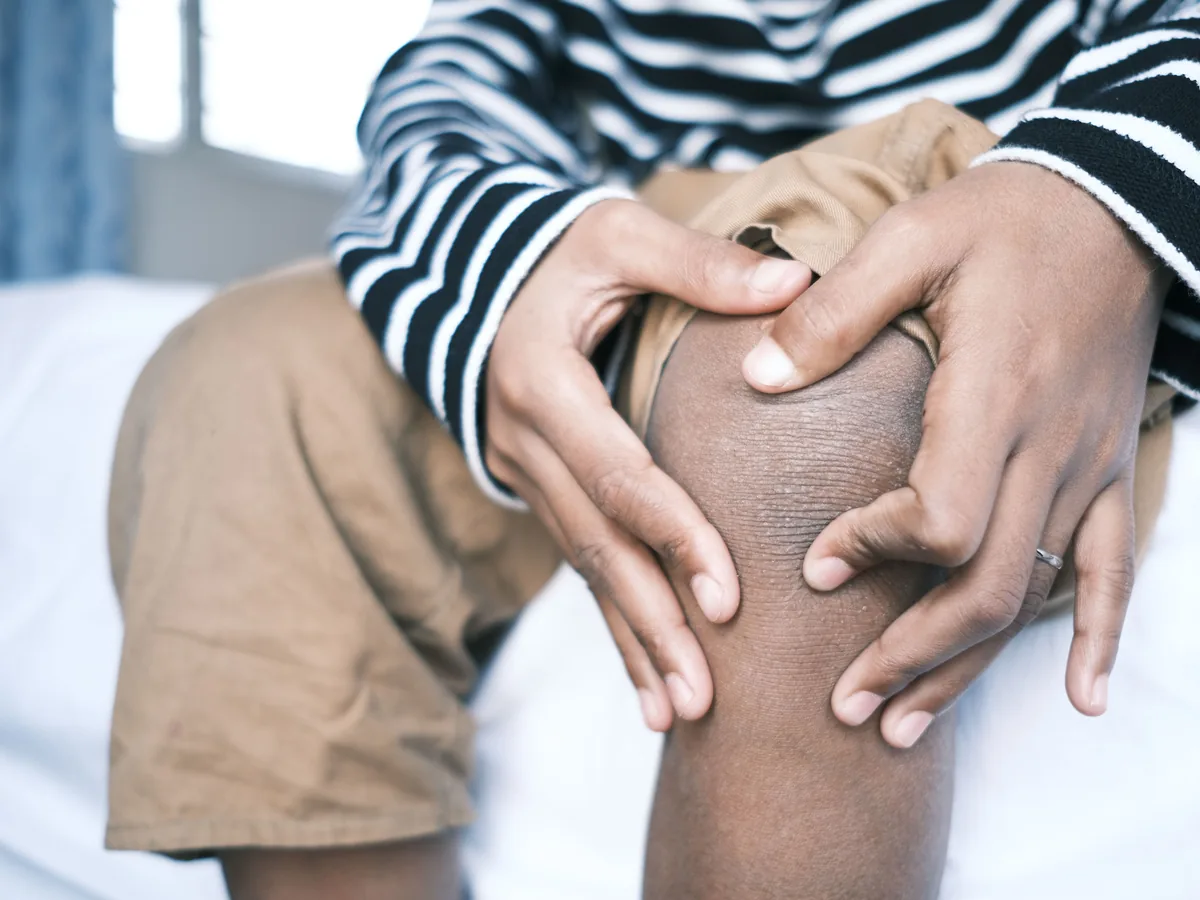
Understanding Knee Pain & Meniscus Tears
The knee is one of the most complex and frequently injured joints in the human body. The meniscus, a C-shaped piece of cartilage that acts as a cushion between your thighbone and shinbone, plays a crucial role in knee stability and shock absorption. When the meniscus tears—whether from sudden twisting motions, degenerative changes, or sports injuries—it can cause significant pain, swelling, and limited range of motion. Meniscus tears are among the most common knee injuries, affecting athletes and non-athletes alike, with an estimated 500,000 meniscal tears occurring annually in the United States. These injuries can prevent you from performing everyday activities like walking, climbing stairs, or standing for extended periods, significantly impacting your quality of life and independence.
Knee pain and meniscus tears can result from various causes including acute trauma during sports or physical activities, sudden pivoting or twisting movements, degenerative changes associated with aging, repetitive stress from occupations requiring frequent kneeling or squatting, and underlying conditions such as osteoarthritis. Risk factors include participation in contact sports like football or basketball, occupations involving heavy lifting or repetitive knee movements, obesity which increases stress on knee joints, poor conditioning or muscle imbalances, and previous knee injuries. Age is also a significant factor—while athletes commonly experience traumatic meniscus tears, degenerative tears become more prevalent in individuals over 40 as the meniscus weakens and thins over time.
Professional medical evaluation and treatment are essential for knee pain and meniscus tears because untreated injuries can lead to chronic pain, progressive joint damage, development of osteoarthritis, reduced mobility, and decreased quality of life. While some minor meniscus tears may heal with conservative treatment, others require more intensive intervention to prevent long-term complications. At Gables Pain in Miami, we conduct comprehensive assessments to determine the severity and type of your meniscus injury, develop personalized treatment plans tailored to your specific condition and lifestyle goals, and provide evidence-based therapies designed to reduce pain, restore function, and prevent future complications. Early intervention not only improves treatment outcomes but can also help you avoid more invasive procedures down the line.
Signs & Symptoms of Knee Pain & Meniscus Tears
- Sharp Pain with Twisting - Sudden, acute pain when rotating or pivoting the knee, particularly during sports or activities requiring directional changes.
- Swelling and Stiffness - Noticeable knee swelling that typically develops within 24 hours of injury, accompanied by joint stiffness and reduced flexibility.
- Popping or Clicking Sensation - Audible or palpable popping sound at the time of injury, or ongoing clicking sensations during knee movement.
- Knee Locking or Catching - Inability to fully straighten the knee or experiencing the knee "catching" or "locking" in certain positions due to torn cartilage fragments.
- Pain Along Joint Line - Tenderness and pain specifically located along the inner or outer edge of the knee where the meniscus is positioned.
- Difficulty Bearing Weight - Challenges with putting full weight on the affected leg, limping, or feeling instability when standing or walking.
- Pain with Deep Squatting - Significant discomfort or inability to perform deep knee bends, squats, or movements requiring full knee flexion.
- Limited Range of Motion - Decreased ability to fully bend or straighten the knee, affecting everyday activities like sitting, standing, and climbing stairs.
- Inability to Participate in Sports - Forced withdrawal from athletic activities, recreational sports, or exercise routines due to pain and instability.
- Difficulty with Stairs - Pain and mechanical limitations when ascending or descending stairs, often requiring use of handrails or alternative methods.
- Work-Related Limitations - Challenges performing job duties, especially those requiring prolonged standing, walking, kneeling, or physical labor.
- Sleep Disruption - Difficulty finding comfortable sleeping positions due to knee pain, resulting in poor sleep quality and daytime fatigue.
- Reduced Physical Activity - Decreased overall activity levels leading to deconditioning, weight gain, and secondary health complications.
- Fear of Re-Injury - Anxiety about aggravating the knee injury leading to avoidance behaviors and reluctance to engage in previously enjoyed activities.
- Dependence on Pain Medication - Reliance on over-the-counter or prescription pain relievers to manage symptoms, with concerns about long-term medication use.
What to Expect
- Comprehensive assessment including detailed medical history, specialized meniscus testing, and MRI review to accurately diagnose tear type and severity
- Personalized treatment plans incorporating conservative management, physical therapy, targeted injections, and surgical coordination when needed
- Evidence-based therapies including quadriceps strengthening, proprioceptive training, and activity modification protocols tailored to your recovery goals
- Continuous monitoring throughout recovery with regular follow-ups to track progress and adjust treatment based on your response
- A double board-certified pain physician, with orthopedic referral arranged when a tear needs surgical evaluation
- An honest assessment of whether your knee needs an injection, a surgical opinion, or neither, rather than a procedure scheduled by default
How We Treat Knee Pain & Meniscus Tears
Comprehensive Assessment
Your treatment begins with a thorough evaluation including detailed medical history, physical examination with specialized meniscus tests (McMurray test, Apley compression test), and review of imaging studies such as MRI or X-rays. We assess the location and severity of your meniscus tear, evaluate knee stability and range of motion, and identify any contributing factors such as muscle imbalances or biomechanical issues.
Personalized Treatment Plan
Based on your specific diagnosis, we create an individualized treatment strategy that may include conservative management for minor tears or more intensive interventions for severe injuries. Your plan incorporates your activity level, treatment goals, and lifestyle needs. We establish clear milestones for recovery and continuously adjust your treatment protocol based on your progress and response to therapy.
Ongoing Care & Monitoring
We provide continuous support throughout your recovery with regular follow-up appointments to track healing progress, monitor pain levels and functional improvement, and adjust treatment as needed. We offer guidance on activity modification, proper exercise technique, and injury prevention strategies. The practice remains accessible for questions and concerns, so you are not left to work through treatment alone.
Benefits
Double Board-Certified Physician
Dr. Tristan Steinberger, MD, is board-certified by the American Board of Anesthesiology in anesthesiology and in pain medicine, with fellowship training in interventional chronic pain. Knee pain is assessed here from a pain medicine standpoint, with surgical evaluation arranged separately when a tear needs it.
Personalized Care Approach
We recognize that every meniscus tear is unique and every patient has different goals. Whether you're an athlete looking to return to competition, a weekend warrior wanting to resume recreational activities, or someone simply seeking pain relief for daily activities, we tailor your treatment plan to your specific needs and objectives.
Straight Answers About Surgery
Many degenerative meniscus tears do not benefit from arthroscopy. The evaluation here is aimed at telling you which category your knee falls into and arranging a surgical opinion when one is genuinely warranted.
Honest Assessment of the Knee
Knee pain from degenerative tears, arthritis, and acute injury is evaluated here on its own terms. Some knees need a surgeon, some need an injection, and some need neither, and you will be told which.
Your Treatment Journey
First Evaluation (Week 1)
Your initial appointment includes a comprehensive physical examination, review of any existing imaging studies, and specialized meniscus testing. We'll discuss your symptoms in detail, assess your knee function and stability, and may order MRI imaging if not already available. By the end of this visit, you'll have a clear diagnosis and understand the severity of your meniscus tear. We'll present treatment options appropriate for your specific injury and begin initial interventions such as activity modification recommendations and pain management strategies.
Treatment Begins (Weeks 2-4)
During this phase, you'll begin your personalized treatment protocol. For conservative management, this typically includes starting physical therapy with exercises to strengthen supporting muscles and improve knee mechanics. If injections are recommended, we'll perform these procedures and monitor your response. You'll receive detailed guidance on home exercises, activity restrictions, and self-care techniques including ice application and anti-inflammatory protocols. Most patients experience initial pain reduction during this period, though mechanical symptoms may persist depending on tear severity.
Progress Review (Months 2-3)
We'll conduct follow-up assessments to evaluate your progress, including pain level changes, improvements in range of motion, and functional capacity gains. Based on your response to treatment, we may advance your therapy program, introduce new interventions, or discuss surgical consultation if conservative treatment hasn't provided adequate improvement. For patients responding well to conservative care, we'll begin gradual return-to-activity protocols with specific guidelines for safely increasing your physical demands. This is typically when patients see substantial functional improvements.
Long-term Management (Ongoing)
Recovery from meniscus tears is highly variable depending on tear type, severity, and treatment approach. Minor tears treated conservatively may heal within 6-8 weeks, while more significant injuries may require 3-6 months for full recovery. If surgery becomes necessary, post-operative recovery typically takes 3-6 months depending on the procedure performed. Regardless of your treatment path, we provide ongoing support with maintenance exercise programs, periodic check-ins to ensure sustained improvement, and strategies to prevent future knee injuries. Our goal is not just to help you recover, but to optimize your long-term knee health and function.
Evidence-Based Treatment Modalities
Our evidence-based treatment approach for knee pain and meniscus tears incorporates multiple therapeutic modalities tailored to your specific condition. For conservative management, we utilize physical therapy focusing on quadriceps strengthening, hamstring flexibility, and proprioceptive training to improve knee stability and function. We may recommend targeted injections including corticosteroid injections to reduce inflammation and pain, hyaluronic acid injections to improve joint lubrication, or platelet-rich plasma (PRP) therapy to promote tissue healing in appropriate cases.
Pain management strategies include NSAIDs or other anti-inflammatory medications when appropriate, application of ice and heat therapy, and compression and elevation protocols to reduce swelling. We provide comprehensive guidance on activity modification, bracing or support devices if beneficial, and gradual return-to-activity protocols. When conservative treatment is insufficient, we coordinate with orthopedic surgeons for arthroscopic meniscus repair or partial meniscectomy, ensuring seamless continuity of care throughout your treatment journey. Our goal is always to pursue the least invasive effective treatment while maximizing your functional recovery and long-term knee health.
When You Should Seek Medical Care
If you recognize these signs, help is available. Early treatment leads to better outcomes. Gables Pain in Coral Gables focuses on knee pain and meniscus tear treatment to help you regain mobility and return to an active lifestyle.
Common Questions About Knee Pain & Meniscus Tears
How long does treatment for a meniscus tear take?
Treatment duration varies significantly based on the type and severity of your meniscus tear. Minor tears treated with conservative management (physical therapy, activity modification, and possibly injections) may show substantial improvement within 6-8 weeks, with full recovery in 3-4 months. More severe tears, particularly those requiring surgical intervention, typically require 3-6 months for complete recovery. Degenerative tears in older adults may require ongoing management rather than complete healing. During your initial evaluation, we'll provide a realistic timeline based on your specific diagnosis and treatment approach. Factors affecting recovery time include tear location and pattern, your age and overall health, compliance with physical therapy, and whether surgery is needed.
Will I need surgery for my meniscus tear?
Not all meniscus tears require surgery. Many tears, particularly small tears in the outer portion of the meniscus (which has better blood supply) or degenerative tears in middle-aged and older adults, respond well to conservative treatment including physical therapy, activity modification, and anti-inflammatory management. We always attempt conservative treatment first unless you have a locked knee (inability to straighten) or a large, displaced tear causing severe mechanical symptoms. Research shows that many patients with meniscus tears achieve excellent outcomes without surgery. During your evaluation, we'll review your imaging studies, assess your symptoms, and discuss whether conservative treatment is appropriate for your specific tear pattern. If conservative treatment doesn't provide adequate relief after 8-12 weeks, or if you have specific tear characteristics that predict poor healing potential, we'll discuss surgical options and coordinate with trusted orthopedic surgeons.
Does insurance cover knee pain and meniscus tear treatment?
Most insurance plans, cover medically necessary treatment for knee pain and meniscus tears. Covered services typically include diagnostic evaluations, physical examinations, MRI imaging, physical therapy, and therapeutic injections when medically indicated. Coverage specifics vary by plan, so we recommend contacting your insurance provider to understand your benefits, deductibles, and any prior authorization requirements. The office is experienced in working with insurance companies and can help verify your coverage before treatment begins. We'll provide detailed documentation to support medical necessity and work to maximize your insurance benefits. For any services not covered by insurance, we'll discuss costs upfront so there are no surprises. Self-pay options are also available for patients without insurance or those preferring to pay directly for services.
Can I still exercise with a meniscus tear?
Exercise recommendations depend on your meniscus tear severity and symptoms. In most cases, complete rest is not recommended as it can lead to muscle atrophy and joint stiffness. However, you'll need to modify your activities during the healing process. Generally, low-impact activities like swimming, stationary cycling, and elliptical training are well-tolerated and beneficial for maintaining fitness while protecting your knee. You should avoid high-impact activities like running, jumping, and pivoting sports until your symptoms improve and you've completed appropriate rehabilitation. Deep squatting, lunging, and twisting movements should also be restricted initially. Physical therapy exercises focusing on quadriceps strengthening, hamstring flexibility, and proprioceptive training are essential components of recovery. We'll provide specific exercise guidelines based on your individual diagnosis and work with your physical therapist to develop a progressive return-to-activity plan that safely advances your exercise tolerance as healing occurs.
Will you tell me if I actually need a surgeon?
Yes, and that is part of the point of the evaluation. Many degenerative meniscus tears do not benefit from arthroscopy, while some knees clearly need a surgical opinion. Gables Pain treats the pain and arranges orthopedic referral when it is warranted rather than keeping a case that belongs elsewhere.
What if conservative treatment isn't working for my knee pain?
If you've completed an adequate trial of conservative treatment (typically 8-12 weeks) without sufficient improvement, we have several options. First, we'll reassess your diagnosis to ensure nothing has been missed and review your imaging studies to better understand your tear characteristics. We may consider additional conservative interventions such as different injection therapies (corticosteroids, hyaluronic acid, or PRP), modified physical therapy approaches, or trial of different medications. If conservative measures continue to be ineffective and you have persistent pain, mechanical symptoms (locking, catching), or significant functional limitations, surgical intervention may be appropriate. We'll coordinate a consultation with experienced orthopedic surgeons who specialize in arthroscopic meniscus procedures. Throughout this process, we remain your advocate, ensuring you understand all options and helping you make informed decisions about your care. Our goal is to find the most effective treatment that aligns with your goals while avoiding unnecessary procedures whenever possible.
Related Conditions
Related
Osteoarthritis
Degenerative joint disease causing pain, stiffness, and reduced mobility in knees and other joints.
Related
Sports Injuries
Acute and chronic injuries from athletic activities including ligament tears, strains, and overuse injuries.
Related
Chronic Joint Pain
Persistent pain in shoulders, hips, knees, and other joints affecting daily function and quality of life.
Get Help for Knee Pain & Meniscus Tears Today
You don't have to face knee pain and meniscus tears alone. Your physician is ready to help you find relief and restore your mobility.
Schedule an Appointment