
Degenerative Disc Disease Treatment in Miami
Degenerative disc disease can significantly impact your quality of life, causing chronic pain and limiting your daily activities. At Gables Pain, Dr. Steinberger offers comprehensive, evidence-based treatment plans designed to reduce pain, restore function, and help you return to the life you love.
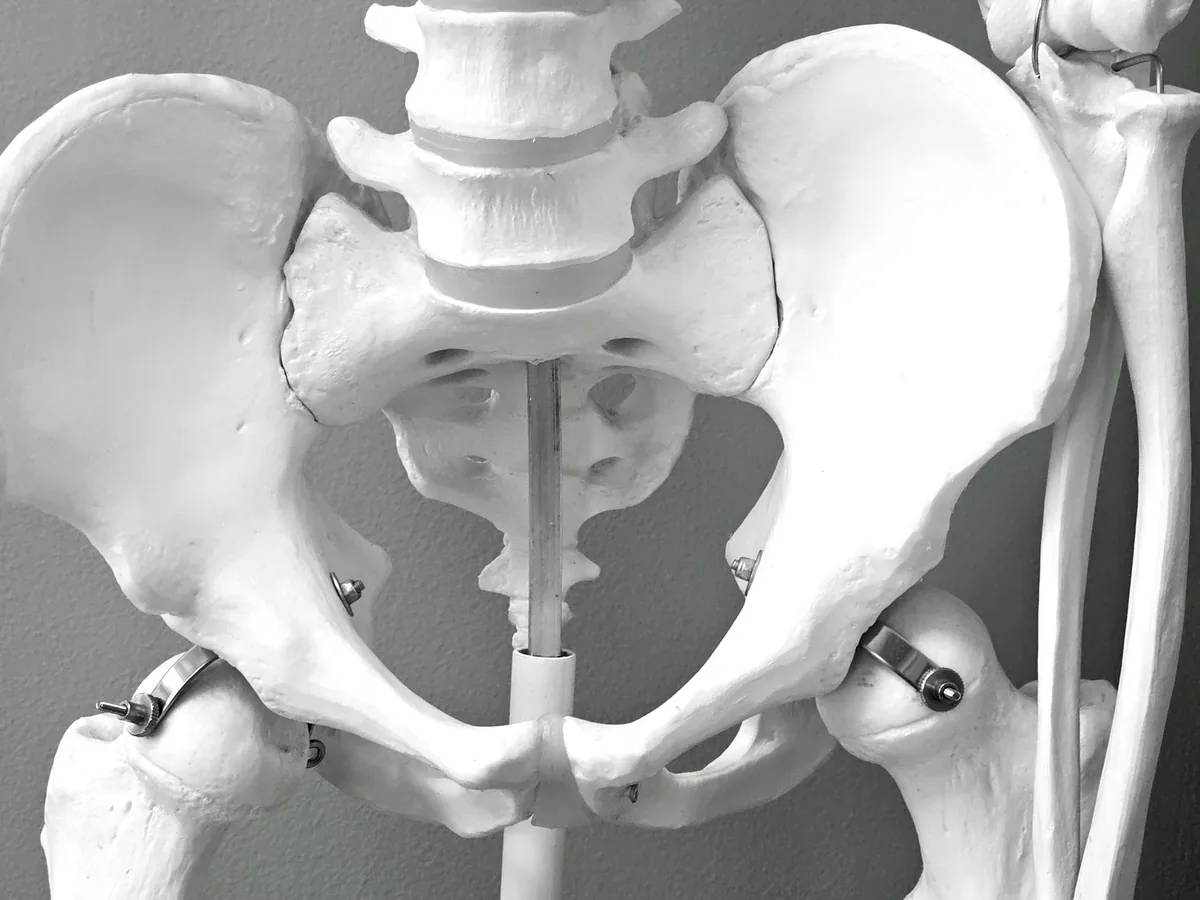
Understanding Degenerative Disc Disease
Degenerative disc disease is a common condition affecting the intervertebral discs in your spine—the cushion-like structures that sit between the vertebrae and act as shock absorbers during movement. Despite its name, degenerative disc disease is not technically a disease but rather a natural part of the aging process where the spinal discs gradually lose their water content, flexibility, and cushioning ability. This deterioration can lead to chronic back pain, neck pain, numbness, tingling, and weakness that radiates into the arms or legs. While some degree of disc degeneration occurs in most people as they age, not everyone experiences symptoms. When pain does occur, it can range from mild and intermittent to severe and debilitating, significantly affecting your ability to work, exercise, sleep, and enjoy everyday activities. Studies suggest that disc degeneration begins in many people during their 30s and 40s, though symptoms may not appear until later in life.
The causes of degenerative disc disease are multifactorial and include both genetic and environmental factors. Aging is the primary contributor, as discs naturally lose hydration and proteoglycan content over time, reducing their ability to absorb shock and maintain proper spacing between vertebrae. Genetics play a significant role—if your parents experienced early disc degeneration, you may be predisposed to the same condition. Additional risk factors include obesity, which places extra stress on spinal structures; smoking, which reduces blood flow and oxygen to discs; repetitive heavy lifting or occupations requiring prolonged sitting or vibration exposure; prior spinal injuries or trauma; and poor posture that increases disc pressure. Certain sports and activities that involve twisting, bending, or high-impact movements can accelerate disc wear. As discs degenerate, they can bulge, herniate, or develop small tears, triggering inflammation and pain signals that affect surrounding nerves and tissues.
Professional treatment for degenerative disc disease is essential because untreated symptoms can worsen over time, leading to chronic pain syndromes, progressive loss of mobility, nerve damage, and decreased quality of life. Many patients initially attempt to manage symptoms with over-the-counter pain relievers or by avoiding activities, but these approaches rarely address the underlying condition and can lead to muscle weakness, joint stiffness, and psychological distress. At Gables Pain in Miami, we take a comprehensive, multidisciplinary approach to degenerative disc disease treatment, combining advanced diagnostic imaging, interventional pain procedures, physical therapy, lifestyle modifications, and when appropriate, medication management. Our goal is not just to mask your pain but to address its root causes, restore function, and empower you with tools and strategies for long-term spine health. Early intervention can prevent the need for invasive surgical procedures and help you maintain an active, fulfilling lifestyle despite disc degeneration.
Signs & Symptoms of Degenerative Disc Disease
- Chronic lower back or neck pain - Persistent aching or stiffness in the spine that may worsen with sitting, bending, or twisting.
- Pain that radiates - Discomfort extending into the buttocks, thighs, arms, or shoulders depending on which discs are affected.
- Numbness and tingling - Sensations of pins and needles in extremities due to nerve compression from disc deterioration.
- Muscle weakness - Difficulty lifting objects or performing tasks that require strength in affected limbs.
- Pain fluctuation - Symptoms that vary from day to day, with periods of intense pain followed by temporary relief.
- Stiffness after rest - Increased pain and reduced mobility after prolonged sitting or upon waking in the morning.
- Pain relief with movement - Symptoms that temporarily improve with walking, stretching, or changing positions.
- Difficulty sleeping - Trouble finding comfortable sleeping positions, leading to insomnia and daytime fatigue.
- Limited physical activity - Avoiding exercise, sports, or recreational activities you once enjoyed due to pain or fear of worsening symptoms.
- Work performance issues - Reduced productivity, missed work days, or difficulty performing job duties that require sitting or lifting.
- Reduced range of motion - Decreased flexibility and difficulty bending, twisting, or reaching due to spinal stiffness.
- Emotional distress - Feelings of frustration, anxiety, or depression related to chronic pain and loss of function.
- Social withdrawal - Avoiding social gatherings, family events, or outings because of pain or mobility limitations.
- Dependency on pain medication - Increasing reliance on over-the-counter or prescription medications to manage daily symptoms.
What to Expect
- Comprehensive evaluation including medical history, physical examination, and review of diagnostic imaging to pinpoint affected discs
- Personalized treatment plans combining physical therapy, interventional procedures, and lifestyle modifications tailored to your needs
- Minimally invasive interventions such as epidural steroid injections, facet joint injections, and radiofrequency ablation
- Ongoing care and monitoring with regular follow-ups to adjust treatments and maintain progress
- Focus on long-term spine health through education, home exercises, and preventive strategies
- Coordination with physical therapists, chiropractors, and other specialists for holistic, multidisciplinary care
How We Treat Degenerative Disc Disease
Comprehensive Assessment
Your treatment begins with a thorough evaluation including detailed medical history, physical examination, and review of diagnostic imaging such as MRI or X-rays. We assess pain patterns, neurological function, range of motion, and how symptoms affect your daily activities. This comprehensive approach allows us to pinpoint the specific discs affected and identify contributing factors to create a targeted treatment plan.
Personalized Treatment Plan
Based on your assessment, we develop an individualized treatment strategy combining multiple evidence-based modalities. Your plan may include physical therapy to strengthen core muscles and improve posture, interventional procedures such as epidural steroid injections or nerve blocks to reduce inflammation, and medication management when appropriate. We educate you about body mechanics, ergonomics, and lifestyle modifications to prevent further disc degeneration and support long-term spine health.
Ongoing Care & Monitoring
Degenerative disc disease requires ongoing management to maintain progress and prevent symptom recurrence. We schedule regular follow-up appointments to monitor your response to treatment, adjust therapies as needed, and provide continued support. You'll learn self-management techniques, home exercises, and preventive strategies to maintain spine health. The practice remains accessible for questions and concerns, so you have the resources and guidance needed for sustained improvement and quality of life.
Benefits
One Board-Certified Pain Physician
Dr. Tristan Steinberger, MD, is board-certified by the American Board of Anesthesiology in both anesthesiology and pain medicine, with fellowship training in interventional chronic pain at the University of Vermont. Disc degeneration is rarely a single-visit problem, and the physician reading your imaging at visit one is the physician you see at visit ten.
Personalized, Patient-Centered Care
We recognize that every patient's experience with degenerative disc disease is unique. Rather than applying a one-size-fits-all approach, we take time to understand your specific symptoms, lifestyle, goals, and preferences. Your treatment plan is tailored to your individual needs, with adjustments made based on your progress and feedback. We partner with you in your healing journey, ensuring you feel heard, respected, and empowered throughout your care.
One Physician, Start to Finish
Dr. Steinberger performs the evaluation, the diagnostic injections, and the follow-up. Nothing about your case is handed between providers, and your plan does not reset when you come back.
Protocols Matched to the Pain Source
Disc degeneration on imaging is common and is not always the source of the pain. The work here is identifying whether the disc, the facet joints, or the vertebral endplates are actually generating symptoms, because the treatment differs for each.
Your Treatment Journey
First Evaluation (Week 1)
Your initial appointment includes a comprehensive consultation, physical examination, and review of any previous imaging or medical records. We discuss your pain history, triggers, and impact on daily life. If additional diagnostic imaging is needed, we'll coordinate MRI or X-ray studies. By the end of this visit, you'll have a clear understanding of your diagnosis and a preliminary treatment plan tailored to your condition. Many patients experience relief simply from having a thorough explanation of what's happening in their spine and knowing there are effective treatment options available.
Treatment Begins (Weeks 2-4)
Treatment typically begins within one to two weeks of your initial evaluation. Depending on your plan, this may involve starting physical therapy, receiving your first interventional procedure such as an epidural steroid injection, or beginning medication management. Most patients notice some improvement in pain and function during this phase, though the full benefits of treatments like injections may take up to two weeks to manifest. We provide clear instructions for activity modification, home exercises, and what to expect as your body responds to treatment.
Progress Review (Months 2-3)
Around the two to three month mark, we conduct a thorough progress evaluation to assess how you're responding to treatment. We measure improvements in pain levels, function, and quality of life. If you're progressing well, we may transition you to a maintenance phase focused on self-management and prevention. If symptoms persist, we adjust your treatment plan—this might include additional interventional procedures, advanced therapies like radiofrequency ablation, or changes to your medication or physical therapy regimen. This checkpoint ensures your treatment remains optimized and aligned with your goals.
Long-Term Management (Ongoing)
Degenerative disc disease is a chronic condition that benefits from ongoing management and periodic reassessment. Once we've achieved good symptom control, we help you transition to long-term maintenance strategies including regular exercise, proper body mechanics, weight management, and periodic check-ins at the office. Some patients require occasional booster injections or adjustments to their treatment plan as their condition evolves. Our goal is to help you maintain the gains you've achieved and live an active, fulfilling life despite disc degeneration. You'll always have access to the practice if new symptoms arise or if you need additional support.
Evidence-Based Treatment Modalities
Our evidence-based treatments for degenerative disc disease include physical therapy focused on core strengthening and spinal stabilization, epidural steroid injections to reduce nerve inflammation, facet joint injections when arthritic changes accompany disc degeneration, radiofrequency ablation for long-term pain relief, and regenerative medicine approaches such as platelet-rich plasma (PRP) therapy in select cases. When appropriate, we may recommend anti-inflammatory medications, muscle relaxants, or neuropathic pain medications as part of a comprehensive pain management strategy. We emphasize conservative, minimally invasive treatments first, reserving surgical referral only for severe cases that do not respond to our interventional approaches. Throughout your care, we collaborate with physical therapists, chiropractors, and other specialists to ensure you receive coordinated, holistic treatment that addresses all aspects of your condition.
Important Treatment Note
Important to note: Response to treatment varies among individuals based on the severity of disc degeneration, overall health, adherence to therapy, and other factors. While many patients experience significant pain reduction and improved function, degenerative disc disease is a progressive condition that may require ongoing care. We set realistic expectations and work closely with you to achieve the best possible outcomes through evidence-based, compassionate treatment.
Impact on Daily Life - Closing Note
If you recognize these signs, help is available. Early treatment leads to better outcomes, preventing further degeneration and helping you regain control over your life and well-being.
Common Questions About Degenerative Disc Disease
How long does treatment for degenerative disc disease take?
The timeline for improvement varies depending on the severity of your condition and the treatments used. Some patients experience relief within days of an epidural steroid injection, while physical therapy and lifestyle modifications may take several weeks to show full benefits. Most patients notice meaningful improvement within 4-8 weeks of starting comprehensive treatment. Long-term management is ongoing, but many people achieve stable symptom control and can reduce the intensity of treatment over time as they build strength and learn effective self-management strategies.
Is medication always required for degenerative disc disease?
Not always. Many patients achieve significant improvement through interventional procedures, physical therapy, and lifestyle changes alone. When medications are used, they're typically part of a comprehensive approach and may include anti-inflammatories, muscle relaxants, or neuropathic pain medications for specific symptoms. Our goal is to minimize reliance on medications, particularly opioids, while effectively managing your pain. We regularly reassess medication needs and adjust your regimen as your condition improves. Some patients use medications only during flare-ups, while others may need ongoing management for more severe degeneration.
Does insurance cover treatment for degenerative disc disease?
Most insurance plans, cover medically necessary treatment for degenerative disc disease. This typically includes consultations, diagnostic imaging, interventional procedures like epidural steroid injections, physical therapy, and medication management. Coverage may vary depending on your specific plan and whether certain treatments require prior authorization. The office works with insurance providers to verify benefits and obtain the approvals your plan requires. We'll provide clear information about your out-of-pocket costs before beginning treatment. For patients without insurance or with high deductibles, we offer transparent pricing and payment options.
What if treatment isn't working?
If your symptoms aren't improving as expected, we have multiple options to adjust your treatment plan. This might include trying different interventional procedures, such as radiofrequency ablation for longer-lasting relief, adding regenerative medicine approaches like PRP therapy, intensifying physical therapy, or conducting additional diagnostic studies to ensure we've identified all contributing factors. We take a systematic approach to treatment escalation, always prioritizing minimally invasive options. In rare cases where conservative and interventional treatments don't provide adequate relief, we can coordinate referrals to spine surgeons for evaluation of surgical options. Our commitment is to explore every appropriate avenue until we find an approach that works for you.
Will I see the same doctor every visit?
Yes. Gables Pain is a single-physician practice, so Dr. Steinberger sees you at every appointment. Degenerative disc disease is managed over months and sometimes years, and having the same physician compare your current exam to the one he performed himself is more reliable than reading someone else's note.
Will I need surgery for degenerative disc disease?
The vast majority of patients with degenerative disc disease do not require surgery. Conservative and interventional pain management techniques are highly effective for most people, providing significant pain relief and functional improvement without the risks and recovery time associated with spinal surgery. Surgery is typically considered only for severe cases with progressive neurological deficits, spinal instability, or debilitating pain that hasn't responded to comprehensive non-surgical treatment. Even in those cases, we often successfully manage symptoms through our interventional approaches, helping patients avoid or delay surgery. If surgery does become necessary, we'll provide honest guidance and coordinate with trusted spine surgeons to ensure you receive the best care.
Related Conditions
Related
Herniated Disc
Treatment for bulging or ruptured discs causing nerve compression, radiating pain, and numbness.
Related
Spinal Stenosis
Relief from narrowing of the spinal canal that compresses nerves and causes leg pain or weakness.
Related
Sciatica
Targeted treatment for sciatic nerve pain radiating from the lower back through the leg.
Get Help for Degenerative Disc Disease Today
You don't have to face degenerative disc disease alone. The practice is ready to help you find relief and reclaim your quality of life.
Schedule an Appointment