
Chronic Lower Back Pain Treatment in Miami
Chronic lower back pain affects millions of Americans, limiting mobility, disrupting sleep, and diminishing quality of life. At Gables Pain, Dr. Steinberger provides comprehensive, evidence-based treatment to help you reclaim comfort and function through personalized care plans tailored to your unique condition.
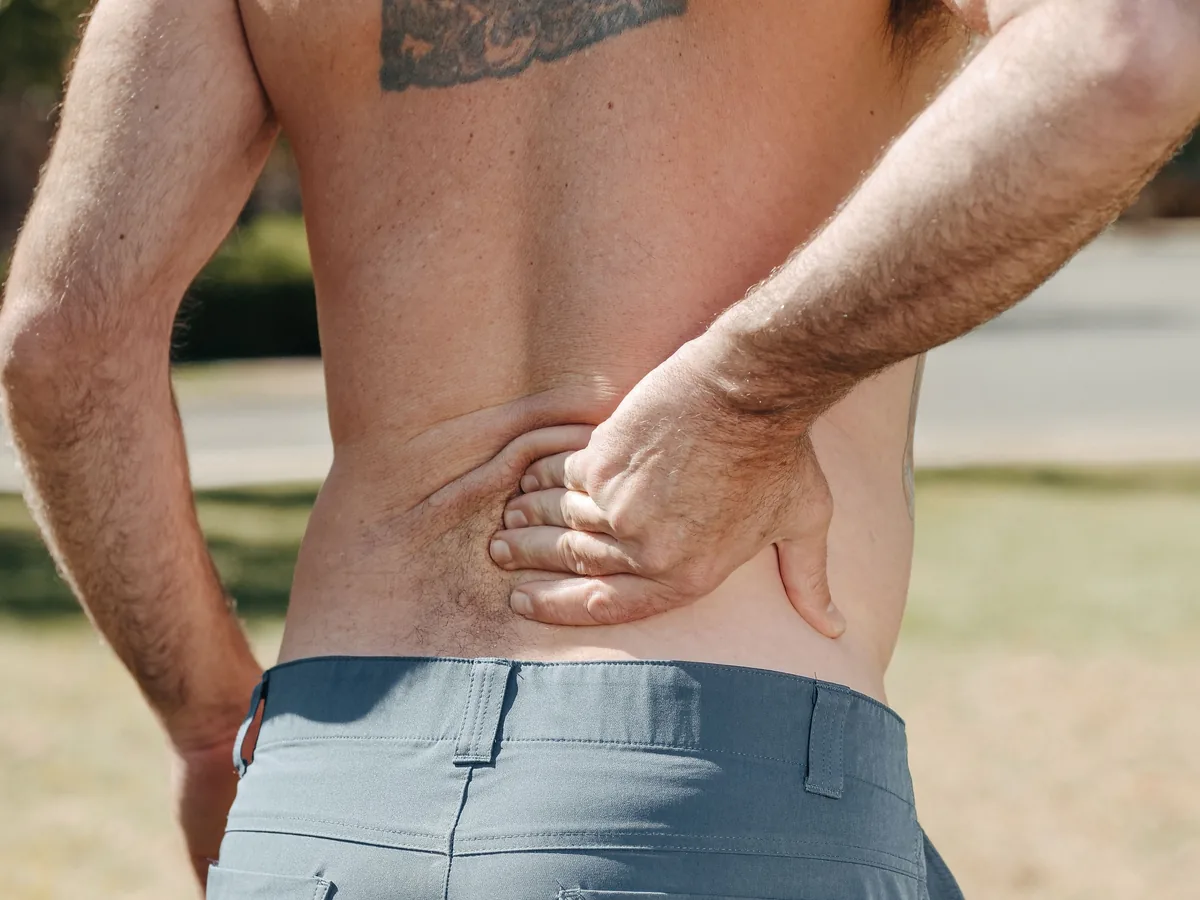
Understanding Chronic Lower Back Pain
Chronic lower back pain is defined as pain persisting for twelve weeks or longer in the lumbar region of the spine, even after an initial injury or underlying cause has been treated. It affects approximately 20% of people who experience acute lower back pain, becoming one of the most common reasons for missed work and disability worldwide. Unlike acute back pain that typically resolves within days or weeks, chronic lower back pain creates a persistent burden that impacts physical function, emotional well-being, sleep quality, and the ability to perform daily activities. The pain may be constant or intermittent, ranging from a dull ache to sharp, shooting sensations that radiate into the hips, buttocks, or legs.
The causes of chronic lower back pain are multifaceted and often complex. Common underlying factors include degenerative disc disease, facet joint arthritis, spinal stenosis, herniated or bulging discs, muscle strain, ligament injuries, and postural dysfunction. Risk factors that increase susceptibility include age-related changes in spinal structures, sedentary lifestyle, obesity, poor posture, repetitive heavy lifting, previous back injuries, smoking, and psychological stress. In some cases, chronic lower back pain develops without a clearly identifiable structural cause, reflecting the intricate interplay between physical pathology, nervous system sensitization, and psychosocial factors. Understanding these contributing elements is essential for developing an effective treatment strategy.
Professional medical treatment is crucial for chronic lower back pain because persistent pain can lead to progressive disability, muscle deconditioning, reduced range of motion, and the development of compensatory movement patterns that create additional problems. Without proper intervention, chronic pain can also contribute to depression, anxiety, sleep disturbances, and social isolation. Evidence-based treatment approaches address not only the physical sources of pain but also the functional limitations and psychological impacts that accompany chronic conditions. Early and comprehensive care improves outcomes significantly, helping patients regain mobility, reduce pain intensity, and return to meaningful activities with improved quality of life.
Signs & Symptoms of Chronic Lower Back Pain
- Persistent Worry About Pain: Constant preoccupation with when pain will strike or worsen, leading to anticipatory anxiety.
- Depression or Low Mood: Feelings of sadness, hopelessness, or loss of interest in activities once enjoyed due to ongoing pain.
- Irritability and Mood Swings: Increased frustration, short temper, or emotional volatility related to persistent discomfort.
- Difficulty Concentrating: Trouble focusing on tasks, forgetfulness, or mental fog caused by chronic pain interference.
- Sleep Disturbances: Insomnia, difficulty falling or staying asleep, or non-restorative sleep due to nighttime pain.
- Social Withdrawal: Avoiding social activities, gatherings, or hobbies because of pain or fear of exacerbating symptoms.
- Feelings of Helplessness: Sense of losing control over one's body and life, contributing to reduced motivation for recovery.
- Persistent Dull or Sharp Pain: Continuous or intermittent aching, burning, or stabbing sensations in the lower back lasting over 12 weeks.
- Radiating Pain into Legs: Pain that extends from the lower back through the buttocks and down one or both legs, sometimes to the foot.
- Muscle Stiffness and Tightness: Reduced flexibility, difficulty bending or twisting, and sensation of muscles being locked or tense.
- Limited Range of Motion: Decreased ability to perform movements such as bending forward, standing upright, or rotating the torso.
- Difficulty Standing or Walking: Pain that worsens with prolonged standing or walking, requiring frequent rest breaks or position changes.
- Numbness or Tingling: Pins-and-needles sensations or loss of feeling in the lower back, buttocks, legs, or feet.
- Muscle Weakness: Reduced strength in the legs or core muscles, making it difficult to lift objects or maintain posture.
- Avoidance of Physical Activities: Reluctance to exercise, lift, or engage in movements that might trigger pain, leading to deconditioning.
What to Expect
- Comprehensive assessment identifies root causes and contributing factors for targeted treatment
- Personalized multimodal treatment plans address pain relief, function restoration, and prevention
- Evidence-based interventions include physical therapy, medications, and interventional procedures
- Ongoing care and monitoring ensure long-term success and sustained improvement
- Education and self-management strategies empower you to maintain gains and prevent recurrence
- Care directed by one double board-certified pain physician, Dr. Tristan Steinberger, MD
How We Treat Chronic Lower Back Pain
Comprehensive Assessment
Your journey begins with an in-depth evaluation including detailed medical history, physical examination, and review of any imaging studies such as X-rays or MRI. We assess pain patterns, functional limitations, and identify contributing factors including posture, biomechanics, and lifestyle. This thorough assessment ensures we understand the root causes of your chronic lower back pain and can design the most effective treatment strategy.
Personalized Treatment Plan
Based on your unique assessment, we develop a customized, multimodal treatment plan that may include physical therapy, targeted medications, interventional procedures, and lifestyle modifications. Your plan addresses pain relief, functional restoration, and prevention of future episodes. We set clear, achievable goals together and adjust the approach based on your progress and feedback throughout the treatment process.
Ongoing Care & Support
Chronic conditions require sustained attention and adaptation. We provide regular follow-up visits to monitor your progress, refine treatments as needed, and ensure long-term success. You'll receive education on self-management techniques, exercise programs, and strategies to maintain gains and prevent recurrence. Dr. Steinberger remains accessible for questions and adjustments, partnering with you throughout your recovery journey.
Benefits
Double Board-Certified Physician
Gables Pain is led by Dr. Tristan Steinberger, MD, who is double board-certified by the American Board of Anesthesiology in anesthesiology and in pain medicine. He completed a fellowship in Interventional Chronic Pain at the University of Vermont, training that is directly relevant to sorting out which structure in your lumbar spine is actually generating the pain.
Personalized, Patient-Centered Approach
We recognize that every patient's pain experience is unique. Our treatment plans are individualized based on your specific symptoms, goals, lifestyle, and preferences, ensuring you receive care that truly fits your needs and maximizes your outcomes.
One Physician, Start to Finish
The physician who examines you is the physician who performs your procedure and reviews the result afterward. There is no handoff between providers, so you are not re-explaining your history to someone new at every visit.
Interventional Focus
Chronic lower back pain is core to interventional pain practice, and the treatments offered here are the ones with an evidence base behind them: epidural injections, radiofrequency ablation, basivertebral nerve ablation, and medication management. You will not be sold a therapy that has no support for your problem.
Your Treatment Journey
First Evaluation (Week 1)
During your initial visit, we conduct a comprehensive assessment including a detailed history, physical examination, and review of any previous imaging or lab work. We'll discuss your pain patterns, functional goals, and any previous treatments you've tried. By the end of this visit, you'll have a clear understanding of your diagnosis and a preliminary treatment plan tailored to your condition.
Treatment Begins (Weeks 2-4)
Treatment initiation may include starting medications, beginning physical therapy, or scheduling interventional procedures such as injections. You'll receive education on home exercises, activity modification, and pain management strategies. Many patients begin to experience some relief during this phase as inflammation reduces and function starts to improve, though significant gains typically take longer.
Progress Review (Months 2-3)
We schedule follow-up appointments to assess your response to treatment, adjust medications or therapy protocols as needed, and address any new concerns. This is a critical period for reinforcing gains and refining your care plan. Most patients experience measurable improvements in pain levels and function by this stage, though individual timelines vary based on severity and underlying causes.
Long-Term Management
Chronic lower back pain often requires ongoing management to maintain improvements and prevent recurrence. We provide long-term support through periodic check-ins, medication adjustments, booster treatments if needed, and continued education on self-care strategies. Our goal is to help you sustain the gains you've made and enjoy a higher quality of life with minimal pain interference.
Evidence-Based Treatment Modalities
Our evidence-based treatment modalities for chronic lower back pain include physical therapy focused on core strengthening, flexibility, and postural correction; pharmacological management with NSAIDs, muscle relaxants, or neuropathic pain medications when appropriate; and interventional procedures such as epidural steroid injections, facet joint injections, radiofrequency ablation, or trigger point injections for targeted pain relief. We also integrate complementary approaches including cognitive-behavioral therapy for pain management, activity modification guidance, ergonomic assessments, and patient education to empower you with tools for lasting improvement. Each treatment is selected based on the latest clinical research and tailored to your specific diagnosis and response patterns.
Symptoms Closing Note
If you recognize these signs, help is available. Early treatment leads to better outcomes, preventing progression of symptoms and restoring your ability to live fully and comfortably.
Timeline Closing Note
Remember, recovery timelines vary. Some patients experience rapid improvement while others progress more gradually. We're committed to supporting you every step of the way with realistic expectations and adaptive treatment strategies.
Common Questions About Chronic Lower Back Pain
How long does treatment for chronic lower back pain take?
Treatment duration varies depending on the severity of your condition, underlying causes, and your individual response to therapy. Many patients begin to notice improvement within 4-6 weeks, but optimal results often take 3-6 months or longer. Chronic lower back pain typically requires ongoing management rather than a one-time cure, with periodic follow-ups to maintain progress and prevent flare-ups. We'll set realistic goals and timelines based on your specific situation during your initial evaluation.
Is medication always required for chronic lower back pain?
Not always. While medications such as NSAIDs, muscle relaxants, or neuropathic pain agents can be very helpful in managing pain and facilitating rehabilitation, they are not mandatory for every patient. Some individuals respond well to physical therapy, lifestyle modifications, and interventional procedures alone. We take a multimodal approach, using medications judiciously when they provide meaningful benefit while prioritizing non-pharmacological treatments to minimize side effects and dependency risks. Your treatment plan will be customized to your needs and preferences.
Does insurance cover chronic lower back pain treatment?
Most insurance plans, cover medically necessary treatment for chronic lower back pain, including consultations, physical therapy, medications, and interventional procedures such as injections. Coverage details vary by plan, so we recommend contacting your insurance provider to understand your benefits, copays, and any pre-authorization requirements. The office is experienced in working with insurance companies and can assist with verification and billing questions so you can get the care you need.
What if physical therapy or initial treatments aren't working?
If your initial treatment approach isn't providing adequate relief, we have many additional options available. These may include advanced interventional procedures such as epidural steroid injections, facet joint injections, radiofrequency ablation, or referral for spinal cord stimulation in more refractory cases. We may also reassess for overlooked contributing factors, adjust medications, or refer you for complementary therapies such as cognitive-behavioral therapy or acupuncture. We keep exploring appropriate avenues until we find the combination that works best for you.
Where will my appointments and procedures take place?
Everything happens at the Gables Pain office at 401 S. Le Jeune Road, Suite 300 in Coral Gables, Miami, FL 33134. Your consultation, any image-guided injection or radiofrequency ablation, and your follow-up visits are all performed there by Dr. Steinberger. The office is open Monday through Friday, 8am to 4pm, and you can reach it at (305) 204-5917 or relief@gablespainclinic.com.
Will I need surgery for chronic lower back pain?
Most patients with chronic lower back pain do not require surgery and can achieve meaningful relief through conservative and interventional treatments. Surgery is generally considered only when there is clear structural pathology such as severe spinal stenosis, significant disc herniation with neurological deficits, or instability that has not responded to comprehensive non-surgical care. Our goal is to optimize your function and comfort using the least invasive approaches first, reserving surgical referrals for cases where they are truly necessary and likely to provide benefit.
Related Conditions
Related
Sciatica
Radiating leg pain caused by compression or irritation of the sciatic nerve, often associated with lower back conditions.
Related
Spinal Stenosis
Narrowing of the spinal canal that puts pressure on nerves, leading to pain, numbness, and weakness in the back and legs.
Related
Herniated Disc
Disc material protrudes and compresses nearby nerves, causing localized back pain and sometimes radiating symptoms.
Get Help for Chronic Lower Back Pain Today
You don't have to face chronic lower back pain alone. Dr. Steinberger is ready to help you reclaim comfort, mobility, and quality of life.
Schedule an Appointment