
Failed Back Surgery Syndrome Treatment in Miami
When back surgery doesn't provide the relief you expected, specialized pain management can help you reclaim your quality of life. Gables Pain provides comprehensive, evidence-based treatment for Failed Back Surgery Syndrome, combining interventional techniques with personalized care to address persistent pain and restore function.
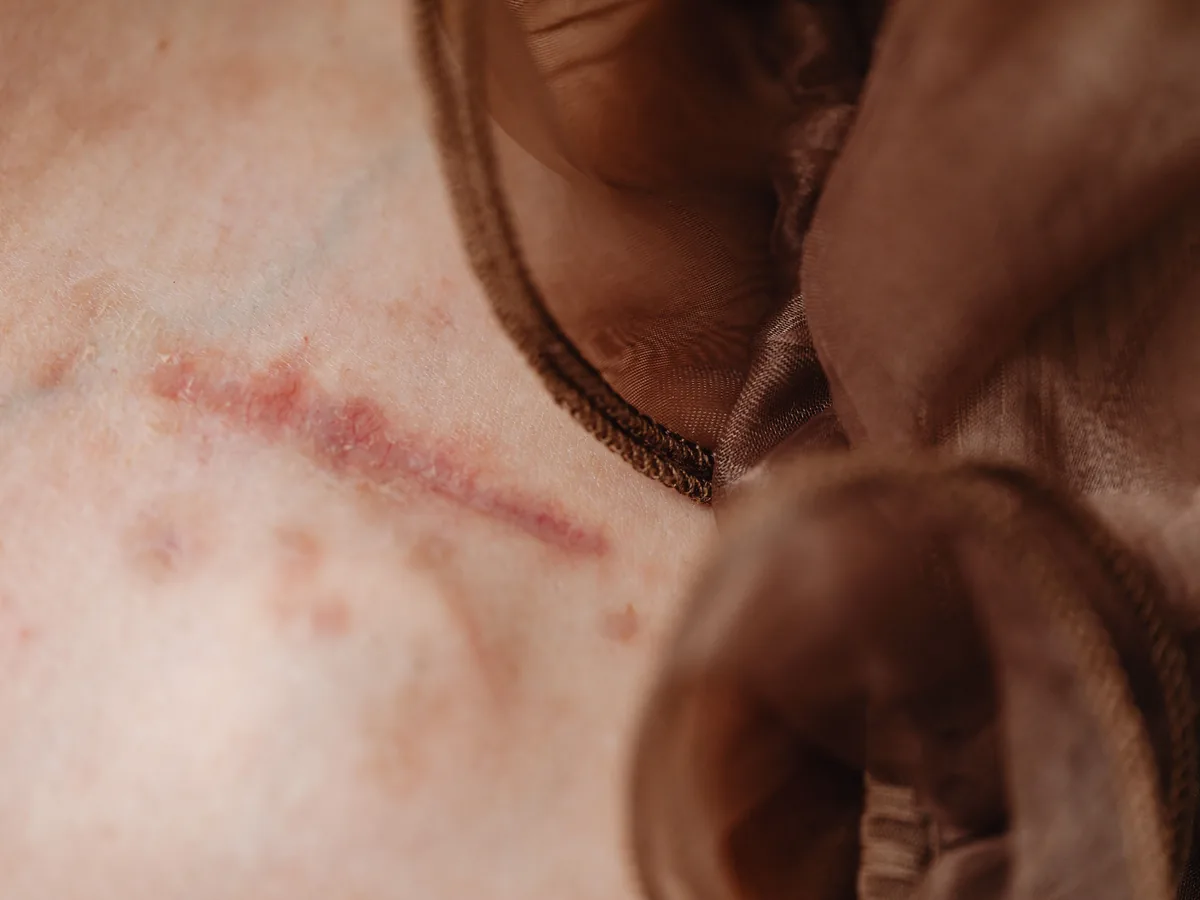
Understanding Failed Back Surgery Syndrome
Failed Back Surgery Syndrome (FBSS), also known as post-laminectomy syndrome, describes chronic pain that persists or develops after spinal surgery. Despite the name, it doesn't necessarily mean the surgery itself failed—rather, it refers to the continuation or recurrence of symptoms following what may have been a technically successful procedure. FBSS affects an estimated 10-40% of patients who undergo back surgery, making it a significant concern in spine care. The condition can manifest as continued back pain, new leg pain, numbness, weakness, or functional limitations that significantly impact daily activities, work, and overall quality of life. For many patients, the persistence of pain after surgery is not only physically debilitating but emotionally challenging, as they had hoped the procedure would provide lasting relief.
The causes of Failed Back Surgery Syndrome are multifaceted and vary from patient to patient. Contributing factors may include continued compression of spinal nerves, formation of scar tissue (epidural fibrosis) around nerve roots, recurrent disc herniation, spinal instability, adjacent segment disease where areas above or below the surgery site deteriorate, hardware complications, or nerve damage during the initial procedure. In some cases, the original diagnosis may have been incomplete, leaving underlying pain generators unaddressed. Risk factors for developing FBSS include smoking, obesity, multiple previous surgeries, pre-existing psychological conditions such as depression or anxiety, poor surgical candidate selection, and inadequate post-operative rehabilitation. Biomechanical changes following fusion procedures can also alter stress distribution along the spine, potentially creating new sources of pain over time.
Professional treatment for Failed Back Surgery Syndrome is essential because the condition rarely resolves on its own and can progressively worsen without intervention. Living with chronic pain after surgery can lead to decreased mobility, medication dependence, depression, social isolation, and inability to work or engage in meaningful activities. Our comprehensive approach at Gables Pain focuses on identifying the specific pain generators contributing to your symptoms and developing a tailored treatment plan that addresses your unique situation. Rather than simply masking pain, we employ evidence-based interventional techniques, medication management, physical rehabilitation, and psychological support to help you achieve meaningful improvement in function and quality of life. Early intervention is crucial—the longer pain persists untreated, the more complex the neurological and psychological components become, making recovery more challenging.
Signs & Symptoms of Failed Back Surgery Syndrome
- Persistent or Recurrent Back Pain - Continued pain at the surgical site or new pain in adjacent spinal areas that doesn't improve with time.
- Radiating Leg Pain (Radiculopathy) - Sharp, burning, or shooting pain that travels down one or both legs, often worse than the back pain itself.
- Numbness and Tingling - Altered sensation in the back, buttocks, legs, or feet that may be constant or intermittent.
- Muscle Weakness - Reduced strength in the legs or feet that affects walking, standing, or maintaining balance.
- Limited Mobility - Difficulty bending, twisting, or performing activities that were manageable before or immediately after surgery.
- Pain with Movement - Increased discomfort when transitioning from sitting to standing, walking, or engaging in physical activity.
- Sleep Disturbances - Difficulty finding comfortable sleeping positions or frequent awakening due to pain throughout the night.
- Depression and Anxiety - Emotional distress stemming from continued pain, unmet expectations from surgery, and fear of worsening symptoms.
- Frustration with Medical System - Feelings of helplessness or being told 'nothing more can be done' despite ongoing, debilitating pain.
- Work Disability - Inability to return to previous employment or reduced work capacity affecting financial stability and identity.
- Social Isolation - Withdrawal from family activities, hobbies, and social engagements due to pain and limited mobility.
- Medication Dependence - Reliance on pain medications, including opioids, with concerns about tolerance, side effects, and addiction.
- Loss of Independence - Requiring assistance with daily tasks like dressing, bathing, or household chores that were previously manageable.
- Fear of Additional Surgery - Anxiety about whether another operation might help or make things worse, leading to decision paralysis.
What to Expect
- Failed Back Surgery Syndrome affects 10-40% of patients who undergo back surgery, causing persistent or recurrent pain despite technically successful procedures.
- Multiple factors can contribute to FBSS including scar tissue formation, nerve compression, adjacent segment disease, and biomechanical changes in the spine.
- Comprehensive pain management combining interventional procedures, medication optimization, and physical rehabilitation can provide significant relief without additional surgery.
- Early intervention is crucial as untreated chronic pain becomes progressively more complex with neurological and psychological components.
- Advanced treatment options include radiofrequency ablation, epidural injections, and regenerative medicine approaches tailored to each patient. Spinal cord stimulation is an implanted device this practice does not place; where one is the right answer, Dr. Steinberger will say so and refer you.
- Gables Pain accepts insurance, and coverage and any prior authorization are verified before treatment begins.
How We Treat Failed Back Surgery Syndrome
Comprehensive Assessment
We begin with a thorough evaluation of your surgical history, current symptoms, and diagnostic imaging to identify specific pain generators. This includes detailed physical examination, review of previous procedures, and advanced imaging interpretation. Our goal is to understand exactly why pain persists and develop a precise diagnosis that guides effective treatment.
Personalized Treatment Plan
Based on your unique situation, we create a tailored multi-modal treatment approach that may include interventional procedures, medication optimization, and rehabilitative therapies. We collaborate with you to set realistic goals and select treatments aligned with your lifestyle and preferences. Each plan is dynamic and adjusted based on your response and progress.
Ongoing Care & Support
Treatment for FBSS is a journey that requires consistent monitoring and adjustment. We provide regular follow-ups to assess your progress, modify treatments as needed, and ensure you're achieving meaningful improvement. Dr. Steinberger remains accessible for concerns between visits, and we coordinate with outside specialists when comprehensive care requires a multidisciplinary approach.
Benefits
Fellowship-Trained in Interventional Chronic Pain
Dr. Tristan Steinberger, MD, completed his Interventional Chronic Pain fellowship at the University of Vermont and is double board-certified by the American Board of Anesthesiology. Persistent pain after spine surgery usually needs the diagnosis re-opened, and that work is done by the physician, not delegated.
Personalized Care Plans
We recognize that every FBSS case is unique and develop individualized treatment strategies based on your specific anatomy, surgical history, and goals.
The Diagnosis Gets Re-Opened
Persistent pain after spine surgery is often attributed to the surgery and left there. Here the workup starts again from examination and imaging review, because a treatable second pain source is a common finding.
FBSS Experience
Failed Back Surgery Syndrome is a recognized focus of interventional pain medicine, and the options available here include epidural injections, selective nerve root blocks, radiofrequency ablation, and referral for spinal cord stimulation when the case warrants it.
Your Treatment Journey
First Evaluation (Week 1)
Your initial visit includes a comprehensive review of your surgical history, detailed physical examination, and analysis of imaging studies. We'll discuss your current symptoms, previous treatments tried, and what your functional goals are. Expect this appointment to take 45-60 minutes as we gather all necessary information. We'll provide preliminary recommendations and may order additional diagnostic tests if needed to clarify pain sources. You'll leave with a clear understanding of your diagnosis and a proposed treatment roadmap.
Treatment Begins (Weeks 2-4)
Based on your evaluation, we'll initiate the first phase of treatment, which may include interventional procedures such as epidural injections, nerve blocks, or radiofrequency treatments. Medication adjustments are made to optimize pain control while minimizing side effects. Physical therapy referrals are coordinated to begin functional restoration. This initial treatment phase focuses on reducing acute pain and inflammation to create a foundation for longer-term improvement. Most patients notice some degree of relief within the first few weeks, though individual responses vary.
Progress Review (Months 2-3)
We schedule follow-up appointments to assess your response to initial treatments and make necessary adjustments. Some patients achieve significant improvement with conservative interventions, while others require more advanced therapies or additional procedures targeting different pain generators. This is a critical period where we fine-tune your treatment plan based on real-world results. We measure progress not just by pain scores but by functional improvements—your ability to work, sleep, exercise, and engage in daily activities.
Long-term Management (Ongoing)
FBSS often requires ongoing management rather than a one-time fix. Once we achieve meaningful pain reduction and functional improvement, we develop a maintenance plan that may include periodic procedures, medication management, continued physical therapy, and lifestyle modifications. Some patients reach a point where minimal intervention is needed; others benefit from scheduled treatments to maintain their quality of life. We remain your partner in this journey, adjusting strategies as your needs evolve and celebrating the milestones you achieve along the way.
Evidence-Based Treatment Modalities
Our evidence-based treatment options for Failed Back Surgery Syndrome include epidural steroid injections to reduce inflammation around irritated nerve roots, selective nerve root blocks for diagnostic and therapeutic purposes, radiofrequency ablation to interrupt pain signals from facet joints or the sacroiliac joint, adhesiolysis procedures to address scar tissue, and regenerative medicine approaches including platelet-rich plasma (PRP) therapy.
Medication management is optimized to balance pain relief with minimal side effects, potentially incorporating non-opioid analgesics, neuropathic pain medications, muscle relaxants, and anti-inflammatory agents. We emphasize physical therapy and functional restoration to rebuild core strength, improve flexibility, and restore movement patterns. Psychological support through cognitive behavioral therapy and pain psychology helps address the emotional burden of chronic pain and develops coping strategies. For select patients we may discuss whether an implanted option such as an intrathecal drug delivery system, or a revision-surgery opinion, is worth pursuing. Neither is performed here, and Dr. Steinberger will refer you to the surgeon or implanter who does. Our goal is always to maximize function and quality of life using the least invasive, most effective approaches tailored to your specific condition.
Symptoms Closing Context
If you recognize these signs, help is available. Early treatment leads to better outcomes and can prevent the progression of chronic pain patterns that become more difficult to address over time.
Common Questions About Failed Back Surgery Syndrome
How long does treatment for Failed Back Surgery Syndrome take?
Treatment duration varies significantly based on the severity of your condition, the specific pain generators involved, and how you respond to initial therapies. Some patients experience meaningful improvement within 4-8 weeks with interventional procedures and medication optimization. Others with more complex cases may require 3-6 months to achieve optimal results, particularly if several treatments are needed or you are referred on for spinal cord stimulation. FBSS is often a chronic condition requiring ongoing management rather than a complete cure, but most patients can achieve significant functional improvement and pain reduction that dramatically improves their quality of life.
Will I need to take pain medication long-term?
Not necessarily. Our goal is to optimize your pain management with the lowest effective medication burden, emphasizing interventional procedures, physical rehabilitation, and other non-pharmacological approaches. Many patients can reduce or even eliminate pain medications once we address the underlying pain generators through targeted treatments. When medications are needed long-term, we prioritize non-opioid options including neuropathic pain medications, anti-inflammatories, and muscle relaxants. For patients currently on opioids, we work to taper doses safely when appropriate while ensuring pain remains controlled through other modalities. Every medication plan is individualized based on your specific condition and response to treatment.
Does insurance cover Failed Back Surgery Syndrome treatment?
Most insurance plans, cover medically necessary pain management treatments for FBSS, including consultations, diagnostic procedures, interventional treatments like epidural injections and radiofrequency ablation, and referral for spinal cord stimulation when appropriate. Coverage specifics vary by plan, and some treatments may require prior authorization or documentation of failed conservative therapies. The office works directly with your insurance company to verify coverage, obtain necessary authorizations, and help you understand your out-of-pocket costs before beginning treatment. We'll provide cost estimates and work with you to develop a treatment plan that aligns with both your medical needs and financial situation.
What if previous pain treatments haven't worked for me?
Many patients we see have tried multiple treatments without success, and this doesn't mean you're out of options. Failed previous treatments often indicate that either the wrong pain generator was targeted, the approach wasn't comprehensive enough, or more advanced therapies are needed. Our thorough diagnostic evaluation helps identify pain sources that may have been missed, and we offer regenerative medicine and minimally invasive procedures that may not have been tried before. Spinal cord stimulators and intrathecal pumps are implants this practice does not place, so where one is indicated Dr. Steinberger will refer you. FBSS is complex, and finding the right combination of treatments often requires specialized expertise and persistence. We've helped many patients who were told 'nothing more can be done' achieve meaningful improvement and return to functional activities.
What happens at the first visit for persistent pain after surgery?
The diagnosis is re-opened. That means a full history of the original operation and what changed afterward, a physical examination, and a review of your post-operative imaging and operative report if you can obtain it. A treatable second pain source such as facet or SI joint pain is a common finding in patients told nothing more can be done.
Could another surgery fix my Failed Back Surgery Syndrome?
In select cases, revision surgery may be appropriate—for example, if there's clear evidence of hardware failure, significant spinal instability, or new structural issues that can be definitively corrected. However, repeated surgeries carry increased risks, and outcomes tend to diminish with each subsequent operation. For many FBSS patients, the pain is neuropathic (nerve-related) or multifactorial in nature, making non-surgical interventional pain management more appropriate and effective than additional surgery. During your evaluation, we'll review your imaging and surgical history to determine if a surgical consultation is warranted or if pain management approaches offer the best path forward. We maintain collaborative relationships with spine surgeons and can coordinate care when a multidisciplinary approach is beneficial. Our priority is helping you make informed decisions based on evidence and realistic outcome expectations.
Related Conditions
Related
Chronic Back Pain
Persistent lower back pain affecting daily function and quality of life, treated with comprehensive pain management approaches.
Related
Sciatica
Radiating leg pain caused by sciatic nerve compression, often accompanying post-surgical pain syndromes.
Related
Spinal Stenosis
Narrowing of the spinal canal causing nerve compression, back pain, and leg symptoms that may persist after surgery.
Get Help for Failed Back Surgery Syndrome Today
You don't have to face Failed Back Surgery Syndrome alone. The practice is ready to help.
Schedule an Appointment