
Herniated Disc Treatment in Miami
A herniated disc can cause debilitating pain that radiates through your back, legs, and arms, limiting your mobility and quality of life. At Gables Pain, Dr. Steinberger provides comprehensive, evidence-based treatment options to relieve your pain and restore your function without invasive surgery.
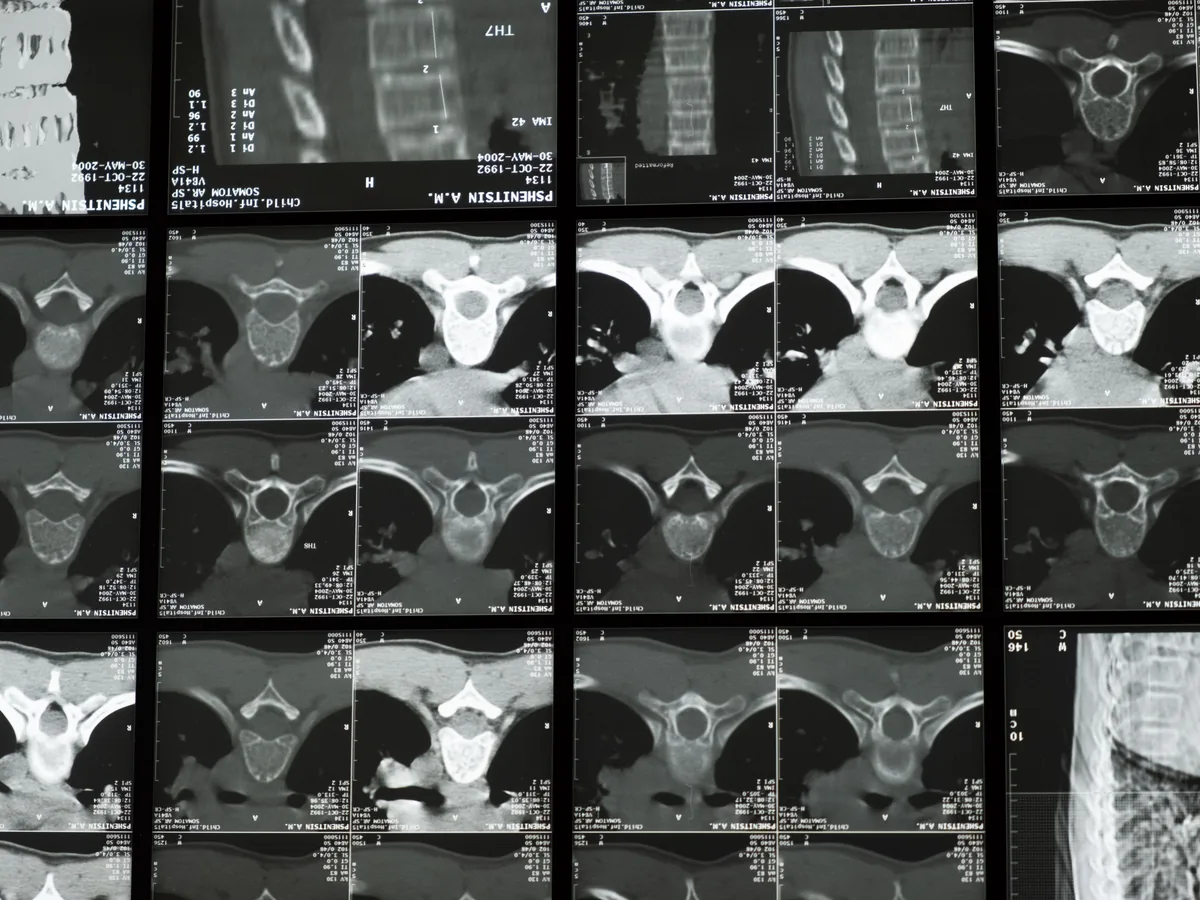
Understanding Herniated Disc
A herniated disc, also called a slipped disc or ruptured disc, occurs when the soft, gel-like center of a spinal disc pushes through a crack in its tougher exterior casing. This condition affects millions of Americans each year, with the lower back (lumbar spine) and neck (cervical spine) being the most commonly affected areas. When the herniated disc material presses against nearby nerves, it can cause intense pain, numbness, tingling, and weakness that may radiate down the arms or legs. For many patients in Miami, herniated discs significantly impact daily activities—from sitting at work to playing with children, exercising, or even getting a good night's sleep. The pain can range from a dull ache to sharp, burning sensations that make even simple movements unbearable.
Herniated discs develop through several mechanisms. Age-related wear and tear, known as disc degeneration, is the most common cause—as we age, our spinal discs lose water content, becoming less flexible and more prone to tearing or rupturing with even minor strain. Other contributing factors include improper lifting techniques, sudden twisting motions, traumatic injuries from accidents or falls, excess body weight placing additional stress on the spine, repetitive physically demanding work, and genetic predisposition to disc problems. Certain occupations that involve heavy lifting, prolonged sitting, or repetitive bending significantly increase risk. Additionally, lifestyle factors such as smoking (which reduces oxygen supply to discs) and sedentary behavior (which weakens supporting muscles) can accelerate disc deterioration and increase vulnerability to herniation.
Professional medical treatment for herniated discs is essential because this condition rarely resolves completely on its own without proper intervention. While some cases may improve with rest, many patients experience chronic pain and progressive nerve damage if left untreated. Early, specialized care can prevent the herniation from worsening, reduce inflammation around affected nerves, strengthen supporting muscles, and restore proper biomechanics to prevent future injury. Without appropriate treatment, herniated discs can lead to permanent nerve damage, chronic pain syndromes, muscle atrophy, loss of bowel or bladder control in severe cases, and significantly diminished quality of life. Gables Pain focuses on comprehensive herniated disc management, offering evidence-based treatments tailored to your specific condition, severity, and lifestyle needs, with the aim of avoiding unnecessary surgery wherever the clinical picture allows.
Signs & Symptoms of Herniated Disc
- Radiating Pain - Sharp, shooting pain that travels down your arm or leg, often worsening with movement, coughing, or sneezing.
- Numbness or Tingling - Pins-and-needles sensation or complete numbness in the areas served by the affected nerves, typically in extremities.
- Muscle Weakness - Progressive weakness in affected muscles, making it difficult to grip objects, lift items, or walk without stumbling.
- Sciatica - Burning or electric shock-like pain running from the lower back through the buttock and down the leg, characteristic of lumbar herniation.
- Loss of Reflexes - Diminished or absent reflexes in the knee, ankle, or arm areas, indicating nerve compression or damage.
- Electric Shock Sensations - Sudden jolts of pain or electrical sensations when moving your neck or back in certain directions.
- Foot Drop or Hand Clumsiness - Difficulty lifting the front part of your foot or coordinating fine hand movements due to nerve impingement.
- Localized Back or Neck Pain - Deep, aching pain at the site of the herniation, often worsening with prolonged sitting, standing, or certain movements.
- Limited Range of Motion - Stiffness and inability to bend, twist, or turn your spine without significant pain or discomfort.
- Pain Worsening with Activity - Increased pain during activities like bending forward, lifting objects, prolonged sitting, or driving.
- Difficulty Walking or Standing - Challenges maintaining balance, standing for extended periods, or walking distances due to pain and weakness.
- Sleep Disruption - Inability to find comfortable sleeping positions, frequent nighttime awakenings due to pain, leading to chronic fatigue.
- Muscle Spasms - Involuntary muscle contractions in the back or neck area as the body attempts to protect the injured disc.
- Reduced Work Capacity - Difficulty performing job duties, especially those requiring physical activity, repetitive movements, or prolonged positioning.
- Bowel or Bladder Changes - In severe cases (cauda equina syndrome), loss of bowel or bladder control—a medical emergency requiring immediate attention.
What to Expect
- Comprehensive evaluation including detailed medical history, physical examination, and imaging review to precisely identify herniation location and severity
- Multimodal treatment combining physical therapy, targeted medications, and advanced interventional procedures tailored to your specific condition
- Conservative-first approach emphasizing non-surgical options with progression to advanced treatments only when medically appropriate
- Evidence-based protocols incorporating the latest research on herniated disc management for optimal outcomes
- Regular monitoring and treatment optimization to ensure meaningful pain relief and functional improvement
- Long-term prevention strategies including core strengthening, ergonomic optimization, and activity modification guidance
How We Treat Herniated Disc
Comprehensive Assessment
Your treatment begins with a thorough evaluation including detailed medical history, physical examination, and review of imaging studies (MRI, CT, or X-rays). We identify the exact location, size, and severity of your herniation, assess nerve involvement, and evaluate how the condition affects your daily function. This comprehensive assessment allows us to create a precise, individualized treatment plan targeting your specific pathology and pain patterns.
Personalized Treatment Plan
Based on your assessment, we design a multimodal treatment approach combining the most effective evidence-based therapies for your condition. Your plan may include physical therapy to strengthen supporting muscles and improve flexibility, targeted medications to reduce inflammation and manage pain, and advanced interventional procedures when needed. We emphasize conservative treatments first, progressing to more advanced options only when medically appropriate, always with your goals and preferences guiding decisions.
Ongoing Care & Monitoring
Herniated disc treatment is a process, not a single event. We schedule regular follow-up appointments to monitor your progress, adjust treatments based on your response, and ensure you're achieving meaningful pain relief and functional improvement. Through continuous assessment and treatment optimization, we help you achieve sustainable recovery while teaching you prevention strategies to protect your spine long-term. Our goal is not just symptom relief, but restored quality of life and prevention of recurrence.
Benefits
Fellowship-Trained in Interventional Pain
Dr. Tristan Steinberger, MD, holds American Board of Anesthesiology certification in both anesthesiology and pain medicine, and completed his Interventional Chronic Pain fellowship at the University of Vermont. Disc herniations are diagnosed and treated here by that same physician from the first visit onward.
Personalized Treatment Approach
We recognize that every herniated disc case is unique. Your treatment plan is customized to your specific anatomy, pain pattern, functional goals, and lifestyle needs—not a one-size-fits-all protocol.
Procedures Performed On Site
Epidural steroid injections and nerve root blocks are done in the office at 401 S. Le Jeune Road, Suite 300 in Coral Gables under image guidance. You are not sent to a separate surgical center for the procedure that was just recommended to you.
Conservative First, Then Targeted
Most disc herniations improve without surgery. The approach here is to exhaust reasonable conservative care first, then use targeted image-guided injections when symptoms persist, and refer for surgical opinion only when the clinical picture calls for it.
Your Treatment Journey
First Evaluation (Week 1)
Your initial visit includes a comprehensive examination, review of imaging studies, detailed discussion of your symptoms and their impact on your life, and development of your personalized treatment plan. We'll explain your diagnosis in clear terms, answer all your questions, and set realistic expectations for recovery. Most patients leave this appointment with immediate symptom management strategies and a clear path forward.
Treatment Begins (Weeks 2-4)
During this phase, we implement your treatment plan—whether that's physical therapy, medications, activity modifications, or interventional procedures. Most patients notice initial improvement within 2-3 weeks, though complete resolution takes longer. If an epidural steroid injection is recommended, many patients experience significant relief within days to weeks after the procedure. We stay in close contact during this critical period to monitor progress and adjust treatments as needed.
Progress Review (Months 2-3)
By this point, most patients have achieved substantial pain relief and functional improvement. We reassess your condition, measure progress against baseline, and determine if additional interventions are needed or if you're ready to transition to maintenance care. This is when we fine-tune your treatment plan, advance your physical therapy program, and begin discussing strategies for long-term spine health and prevention of recurrence.
Long-term Management
Successful herniated disc treatment doesn't end with pain relief—it extends to preventing future problems. We provide you with a comprehensive maintenance program including core strengthening exercises, proper body mechanics training, ergonomic recommendations, and guidance on gradually returning to all your desired activities. Many patients require only occasional check-ins at this stage, while others benefit from periodic follow-ups to maintain optimal spine health. Our goal is your complete return to the active Miami lifestyle you love.
Evidence-Based Treatment Protocols
Our treatment protocols incorporate the latest evidence-based approaches for herniated disc management. Conservative treatments include targeted physical therapy focusing on core stabilization, spinal decompression techniques, and posture correction; anti-inflammatory medications (NSAIDs) to reduce swelling around compressed nerves; muscle relaxants for associated spasms; and neuropathic pain medications when nerve irritation causes radiating symptoms. For patients who don't respond adequately to conservative care, we offer advanced interventional procedures including epidural steroid injections to deliver powerful anti-inflammatory medication directly to the affected nerve roots, selective nerve root blocks for diagnostic and therapeutic purposes, and fluoroscopy-guided procedures for maximum precision and safety. In Miami's active lifestyle environment, we also emphasize activity modification, ergonomic optimization, and gradual return to normal activities. Our comprehensive approach addresses not only your immediate pain but also the underlying biomechanical factors contributing to disc herniation, helping you achieve lasting relief and prevention of future injury.
When to Seek Care
If you recognize these signs, help is available. Early treatment leads to better outcomes, preventing permanent nerve damage and helping you return to the activities you love faster and more completely.
Common Questions About Herniated Disc
How long does herniated disc treatment take to work?
Treatment timelines vary depending on herniation severity and individual response. Many patients experience initial pain relief within 2-4 weeks of starting conservative treatment (physical therapy and medications). For those receiving epidural steroid injections, significant improvement often occurs within 3-7 days, with continued improvement over the following 2-4 weeks. Complete recovery typically takes 6-12 weeks, though some cases may require longer. Research shows that approximately 90% of herniated disc patients improve with conservative treatment within 6 weeks to 6 months. Factors affecting timeline include herniation size, degree of nerve compression, your overall health, adherence to treatment recommendations, and whether you modify activities appropriately during healing.
Will I need surgery for my herniated disc?
The vast majority of herniated disc patients—approximately 80-90%—recover successfully without surgery through comprehensive conservative care. At Gables Pain, we specialize in non-surgical treatment approaches that address both pain and the underlying condition. Surgery is typically only considered when: conservative treatments have been tried for at least 6-12 weeks without adequate improvement, you experience progressive neurological deficits (worsening weakness or numbness), or in rare emergency situations like cauda equina syndrome (loss of bowel/bladder control). Even patients with large herniations often respond well to our multimodal approach combining physical therapy, medications, and interventional procedures like epidural injections. Our goal is always to help you avoid surgery through effective, evidence-based conservative treatment.
Is medication required for herniated disc treatment?
Medication is a common and effective component of herniated disc treatment, but requirements vary by individual. Most patients benefit from anti-inflammatory medications (NSAIDs like ibuprofen or naproxen) to reduce swelling around compressed nerves. For severe pain, short-term use of stronger analgesics may be appropriate. If you experience nerve-related symptoms like burning, tingling, or shooting pain, neuropathic pain medications (such as gabapentin or pregabalin) can be highly effective. Muscle relaxants may help if you're experiencing significant spasms. However, medication is typically just one part of a comprehensive treatment plan—not the sole solution. We emphasize the importance of physical therapy, activity modification, and interventional procedures when appropriate. Our approach is to use the minimum effective medication doses for the shortest necessary duration, always balancing pain relief with minimizing side effects and dependency risks.
Does insurance cover herniated disc treatment?
Most insurance plans, provide coverage for medically necessary herniated disc treatment. This typically includes office visits, physical therapy, medications, imaging studies (MRI, CT scans), and interventional procedures like epidural steroid injections. Coverage specifics vary by plan, so we recommend contacting your insurance provider to understand your benefits, copays, deductibles, and any prior authorization requirements. The office is experienced in working with insurance carriers and can help verify your coverage before treatment begins. We'll work with you to maximize your benefits and make your care as affordable as possible. For uninsured patients or those with high deductibles, we offer transparent pricing and payment plans to ensure financial concerns don't prevent you from getting the relief you need.
Who will I actually see at each visit?
Dr. Tristan Steinberger, MD. Gables Pain is a single-physician practice, so the doctor who takes your history and reviews your MRI is the doctor who performs your injection and reassesses you afterward. For a herniated disc, where the treatment plan depends on matching symptoms to a specific level, that continuity is genuinely useful.
What if my herniated disc treatment isn't working?
If your initial treatment approach isn't providing adequate relief within 4-6 weeks, we have several options to optimize your care. First, we'll reassess your condition to ensure the diagnosis is accurate and identify any contributing factors we may have missed. We may recommend advancing to more targeted interventional procedures, such as epidural steroid injections or selective nerve root blocks, which deliver anti-inflammatory medication directly to the affected area. Alternative medication strategies, advanced physical therapy techniques, or additional imaging to better visualize your herniation may be beneficial. In some cases, we might consult with specialists in other disciplines, such as neurosurgery or physiatry, to provide multidisciplinary input. It's important to understand that treatment response varies—what works quickly for one patient may take longer for another. We're committed to working with you persistently until we find the combination of treatments that provides meaningful relief. Surgery remains an option for the small percentage of patients who don't respond to comprehensive conservative care, and we'll help guide that decision if it becomes necessary.
Related Conditions
Related
Sciatica
Radiating leg pain often caused by herniated discs compressing the sciatic nerve.
Related
Spinal Stenosis
Narrowing of the spinal canal that can occur alongside or independently from disc herniation.
Related
Chronic Back Pain
Persistent back pain from various causes including degenerative disc disease and facet joint problems.
Get Help for Herniated Disc Today
You don't have to face herniated disc pain alone. We are ready to help you find relief and return to the activities you love.
Schedule an Appointment