
Spine Pain Management in Miami
Advanced, evidence-based treatment for chronic spine pain, herniated discs, spinal stenosis, and degenerative conditions. Our comprehensive approach combines cutting-edge interventional techniques with personalized care to restore function and improve quality of life.
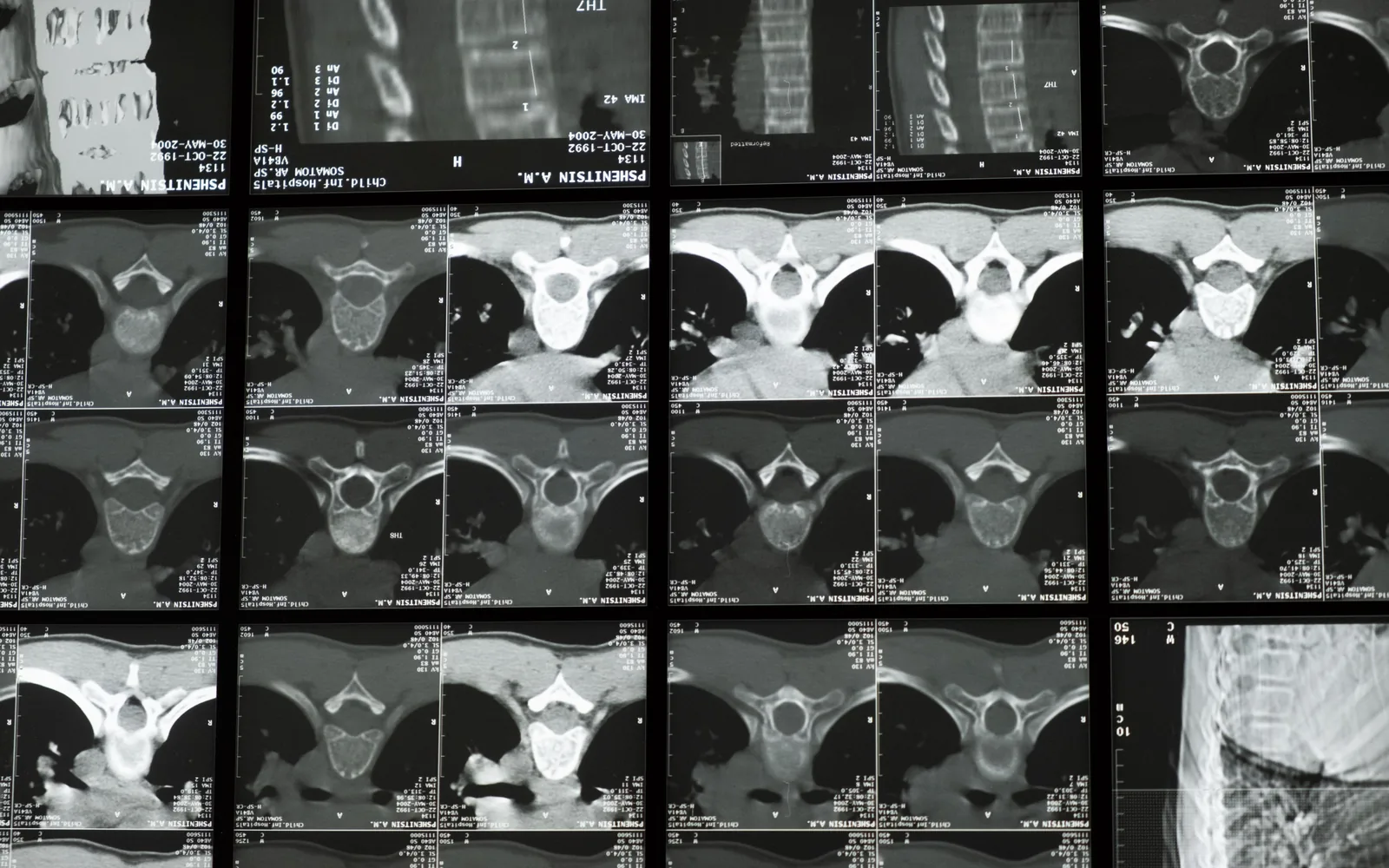
What is Spine Pain Management?
Spine pain management is a specialized medical discipline focused on diagnosing, treating, and managing acute and chronic conditions affecting the spinal column, intervertebral discs, facet joints, spinal nerves, and surrounding soft tissues. The spine is a complex structure of bones, joints, ligaments, muscles, and nerves that supports the body while protecting the spinal cord. When injury, degeneration, or disease affects any of these components, the result can be debilitating pain that radiates through the back, neck, and extremities, significantly impacting mobility, sleep, work capacity, and overall quality of life.
At Gables Pain in Miami, our spine pain management program employs a multidisciplinary approach that addresses both the symptoms and underlying causes of spinal disorders. We utilize advanced diagnostic imaging, comprehensive physical examinations, and detailed patient histories to identify the specific source of pain—whether it originates from herniated or bulging discs, facet joint arthritis, spinal stenosis, sacroiliac joint dysfunction, failed back surgery syndrome, or myofascial pain. Our treatment protocols are grounded in the latest clinical research and incorporate a range of interventional procedures, therapeutic modalities, medication management, and rehabilitative strategies tailored to each patient's unique condition and goals.
Spine pain is one of the most common reasons adults seek medical care, affecting approximately 80% of people at some point in their lives. While many cases resolve with conservative treatment, a significant percentage develop chronic pain that persists beyond three months and requires specialized intervention. Effective spine pain management not only reduces pain intensity but also improves functional capacity, decreases reliance on opioid medications, prevents unnecessary surgeries, and helps patients return to meaningful activities. Our evidence-based approach emphasizes early intervention, patient education, active participation in recovery, and long-term wellness strategies that prevent recurrence and promote spinal health.
Common Spine Pain Conditions We Treat
- Chronic lower back pain
- Herniated or bulging discs
- Spinal stenosis
- Degenerative disc disease
- Facet joint arthritis
- Sciatica and radicular pain
- Sacroiliac joint dysfunction
- Failed back surgery syndrome
- Compression fractures
- Myofascial pain syndrome
- Spondylolisthesis
- Post-laminectomy syndrome
What to Expect
- Comprehensive evaluation including detailed medical history, physical examination, neurological testing, and review of imaging studies to pinpoint the exact source and nature of your spine pain
- Customized treatment strategy combining interventional procedures, medication optimization, physical therapy, and lifestyle modifications designed specifically for your diagnosis and functional goals
- Advanced interventional procedures performed under fluoroscopic guidance for precision and safety, including epidural steroid injections, facet joint injections, medial branch blocks, and radiofrequency ablation
- Evidence-based pharmacological approach minimizing opioid dependence while effectively managing pain and inflammation
- Coordinated physical rehabilitation focusing on core strengthening, flexibility, posture correction, and functional movement patterns to support spinal structures and prevent re-injury
- Regular follow-up appointments to monitor progress, adjust treatments as needed, prevent flare-ups, and ensure long-term spinal health through maintenance care and preventive strategies
Our Approach to Spine Pain Management
Initial Assessment
Comprehensive evaluation including detailed medical history, physical examination, neurological testing, and review of imaging studies (MRI, CT, X-ray) to pinpoint the exact source and nature of your spine pain.
Personalized Plan
Customized treatment strategy combining interventional procedures, medication optimization, physical therapy, and lifestyle modifications designed specifically for your diagnosis and functional goals.
Ongoing Support
Regular follow-up appointments to monitor progress, adjust treatments as needed, prevent flare-ups, and ensure long-term spinal health through maintenance care and preventive strategies.
Benefits
Interventional Procedures
Epidural steroid injections, facet joint injections, medial branch blocks, radiofrequency ablation, sacroiliac joint injections and trigger point injections, performed under fluoroscopic guidance for precision and safety.
Medication Management
Evidence-based pharmacological approach using anti-inflammatories, muscle relaxants, neuropathic pain medications, and judicious short-term use of analgesics while minimizing opioid dependence and side effects.
Physical Rehabilitation
Coordinated physical therapy focusing on core strengthening, flexibility, posture correction, ergonomic training, and functional movement patterns to support spinal structures and prevent re-injury.
Regenerative Options
Advanced therapies including platelet-rich plasma (PRP) injections and other biological treatments that harness the body's natural healing mechanisms to repair damaged spinal tissues and reduce inflammation.
What to Expect During Treatment
First Visit
Comprehensive 60-90 minute consultation including thorough history, physical and neurological examination, imaging review, diagnosis discussion, and development of your initial treatment plan. You'll leave with clear understanding of your condition and next steps.
Weeks 2-4
Implementation of interventional procedures if indicated, beginning of physical therapy regimen, medication adjustments as needed. Most patients begin experiencing pain relief during this phase, with improved mobility and decreased reliance on pain medications.
Months 1-3
Continuation and optimization of treatment protocols, progressive strengthening exercises, functional restoration activities. Regular assessments track pain reduction, functional improvements, and quality of life metrics to ensure treatment effectiveness.
Long-term Management
Transition to maintenance care with periodic follow-ups, continued home exercise program, lifestyle modifications to prevent recurrence. Many patients achieve sustained pain relief and return to full activities with minimal ongoing intervention.
Advanced Treatment Modalities
Interventional Procedures: Epidural steroid injections, facet joint injections, medial branch blocks, radiofrequency ablation, sacroiliac joint injections and trigger point injections, performed under fluoroscopic guidance for precision and safety.
Medication Management: Evidence-based pharmacological approach using anti-inflammatories, muscle relaxants, neuropathic pain medications, and judicious short-term use of analgesics while minimizing opioid dependence and side effects.
Physical Rehabilitation: Coordinated physical therapy focusing on core strengthening, flexibility, posture correction, ergonomic training, and functional movement patterns to support spinal structures and prevent re-injury.
Regenerative Options: Advanced therapies including platelet-rich plasma (PRP) injections and other biological treatments that harness the body's natural healing mechanisms to repair damaged spinal tissues and reduce inflammation.
Common Questions About Spine Pain Management
How long does it take for spine pain treatment to work?
Treatment response varies by individual and condition severity. Many patients experience significant relief within 1-2 weeks following interventional procedures like epidural injections or nerve blocks. Physical therapy and strengthening exercises typically show progressive benefits over 4-8 weeks. Chronic conditions may require 2-3 months of comprehensive treatment to achieve optimal results. We monitor your progress closely and adjust the treatment plan to ensure you're on the right trajectory toward pain relief and functional restoration.
Are spine injections painful?
Most interventional spine procedures at Gables Pain are performed with local anesthesia and mild sedation if desired, minimizing discomfort during the procedure. Patients typically report feeling pressure rather than pain during the injection. Some experience temporary soreness at the injection site for 24-48 hours afterward, which resolves quickly. We use fluoroscopic (X-ray) guidance to ensure precise needle placement, maximizing effectiveness while minimizing tissue trauma. The vast majority of patients tolerate these procedures very well and experience significant pain relief that far outweighs any brief procedural discomfort.
Can spine pain management help me avoid surgery?
Yes, in many cases. Research shows that comprehensive pain management programs successfully treat 70-80% of chronic spine pain patients without surgery. Our interventional procedures, physical therapy protocols, and multimodal approach can effectively address herniated discs, spinal stenosis, facet joint pain, and other conditions that were previously considered surgical candidates. We exhaust all appropriate conservative and minimally invasive options before considering surgical referral. However, we maintain excellent relationships with spine surgeons for cases where surgery is truly necessary and beneficial.
What is the difference between acute and chronic spine pain treatment?
Acute spine pain (lasting less than 6 weeks) often responds well to conservative measures including rest modification, anti-inflammatory medications, physical therapy, and sometimes a single interventional procedure. Chronic spine pain (persisting beyond 3 months) requires a more comprehensive, multidisciplinary approach addressing not only the physical source of pain but also contributing factors like muscle deconditioning, movement patterns, inflammation, and pain sensitivity. Our chronic pain protocols involve sequential treatments, ongoing rehabilitation, medication optimization, and long-term maintenance strategies to achieve sustained relief and prevent recurrence.
Will I need to take pain medication long-term?
Our goal is to reduce or eliminate the need for long-term pain medications through targeted interventions and rehabilitation. While some patients benefit from ongoing anti-inflammatory or neuropathic pain medications, many successfully taper off most medications as they progress through treatment. The emphasis here is on using medication strategically during an acute phase while building durable relief through interventional procedures, physical strengthening and functional restoration.
Related Services
Related
Joint Pain Management
Comprehensive treatment for arthritis, joint inflammation, and degenerative joint conditions affecting mobility and quality of life.
Related
Nerve Pain Treatment
Advanced therapies for neuropathic pain, sciatica, radiculopathy, and nerve compression syndromes throughout the body.
Related
Interventional Procedures
Minimally invasive injections, nerve blocks, and advanced techniques for targeted pain relief with minimal downtime.
Ready to Get Help with Spine Pain Management?
Spine pain is worth a proper diagnosis before it is treated. Dr. Steinberger sees patients in Coral Gables and will start there. Call (305) 204-5917.
Book an Appointment