
Interventional Pain Procedures in Miami
Advanced minimally invasive procedures designed to directly target and treat the source of chronic pain. Our interventional techniques offer effective relief when conservative treatments haven't provided adequate results, helping you regain function and improve quality of life.
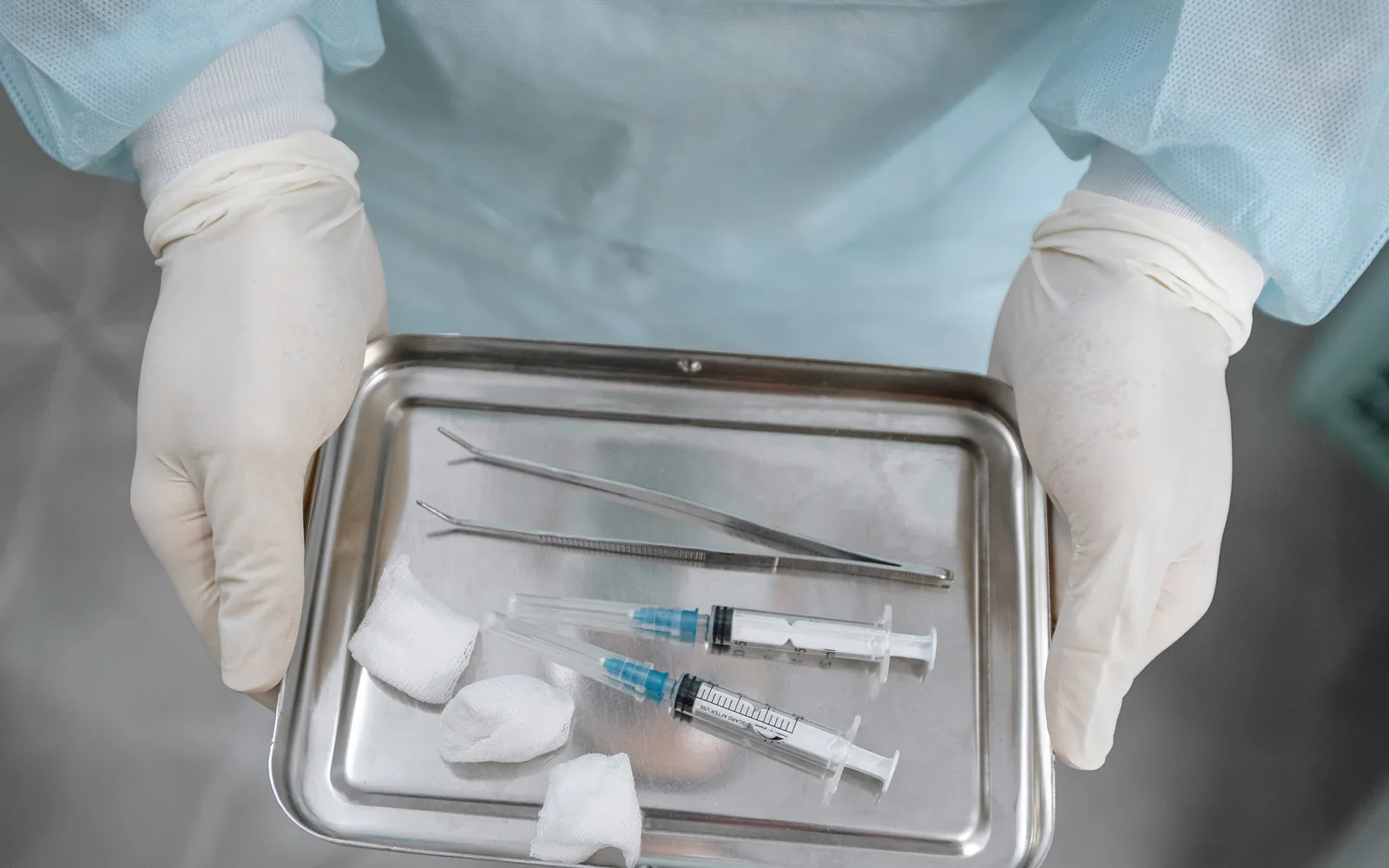
What Are Interventional Pain Procedures?
Interventional pain procedures are specialized, minimally invasive treatments that use precise techniques to diagnose and treat pain at its source. Unlike medications that provide systemic relief or physical therapy that addresses functional limitations, these procedures directly target the specific anatomical structures causing pain—whether nerves, joints, muscles, or other tissues. Using imaging guidance such as fluoroscopy or ultrasound, Dr. Steinberger can place medication, ablate a problematic nerve or treat a painful structure with a degree of precision that blind injection cannot match.
These procedures represent a middle ground between conservative management and surgical intervention, offering powerful pain relief with minimal downtime and fewer risks than major surgery. From epidural steroid injections for spinal pain to radiofrequency ablation for joint arthritis, from nerve blocks for neuropathic pain to trigger point injections for myofascial conditions, interventional techniques span a wide range of applications. Many patients who have struggled for months or years with chronic pain find significant improvement through these targeted treatments, often reducing or eliminating their need for daily pain medications.
The field of interventional pain management combines expertise from anesthesiology, physiatry, and pain medicine, utilizing cutting-edge technology and evidence-based protocols. These procedures not only provide relief but also serve diagnostic purposes—helping identify the exact pain generators and confirming treatment targets before more permanent interventions. Whether you're dealing with back pain, neck pain, arthritis, neuropathy, headaches, or complex regional pain syndrome, interventional procedures offer tailored solutions backed by extensive research and clinical outcomes data.
Conditions Treated with Interventional Procedures
- Chronic back and neck pain
- Herniated or bulging discs
- Spinal stenosis
- Facet joint arthritis
- Sacroiliac joint dysfunction
- Failed back surgery syndrome
- Sciatica and radiculopathy
- Complex regional pain syndrome
- Peripheral neuropathy
- Occipital neuralgia and headaches
- Cancer-related pain
- Myofascial pain syndrome
What to Expect
- Minimally invasive procedures that directly target pain at its source with precision imaging guidance
- Middle ground between conservative treatments and surgery, offering powerful relief with minimal downtime
- Wide range of applications from nerve blocks to radiofrequency ablation to joint injections
- Serve both diagnostic and therapeutic purposes to identify and treat exact pain generators
- Can significantly reduce or eliminate need for daily pain medications
- Evidence-based protocols backed by extensive research and clinical outcomes data
Our Approach to Interventional Pain Procedures
Comprehensive Assessment
Detailed evaluation including physical examination, imaging review, and diagnostic testing to identify specific pain generators and determine which interventional procedures will provide the greatest benefit for your unique condition.
Precision-Guided Treatment
Image-guided procedures using fluoroscopy or ultrasound ensure accurate medication placement and optimal therapeutic results. Sterile technique and image guidance are used throughout, and the approach for each procedure is explained to you before it begins.
Integrated Care & Follow-up
Procedures are combined with comprehensive pain management including medication optimization, physical therapy referrals, and lifestyle modifications. Regular follow-up ensures sustained relief and allows for repeat treatments or alternative approaches as needed.
Common Interventional Procedures We Perform
Epidural Steroid Injections
Delivery of anti-inflammatory medication into the epidural space to reduce nerve root inflammation and radicular pain from herniated discs, spinal stenosis, or degenerative conditions. Available in cervical, thoracic, and lumbar regions using interlaminar, transforaminal, or caudal approaches.
Facet Joint Injections & Radiofrequency Ablation
Diagnostic injections to identify facet joint pain followed by radiofrequency ablation (RFA) to create longer-lasting relief by interrupting pain signal transmission from arthritic spinal joints. RFA can provide 6-12 months or more of significant pain reduction.
Nerve Blocks & Neurolysis
Targeted injection of local anesthetic and steroid to specific nerves or nerve plexuses, including sympathetic blocks, peripheral nerve blocks, and occipital nerve blocks. For longer relief, neurolytic procedures using chemical or thermal techniques can provide extended pain control.
Joint Injections
Intra-articular injections for sacroiliac joints, hip joints, knee joints, and shoulder joints using corticosteroids, hyaluronic acid, or regenerative therapies like platelet-rich plasma (PRP) to reduce inflammation and improve function in arthritic joints.
Trigger Point & Myofascial Injections
Treatment of muscle-based pain through injection of local anesthetic or dry needling techniques to release tight muscle bands and restore normal muscle function, particularly effective for chronic neck, shoulder, and back pain.
Peripheral Nerve Stimulation
Sprint peripheral nerve stimulation delivers gentle electrical stimulation to a specific nerve to interrupt pain signals. It is a temporary, wearable system rather than an implant, so there is no permanent hardware. Spinal cord stimulators and intrathecal pumps are implanted devices this practice does not place; where one is the right answer, Dr. Steinberger will say so and refer you.
Benefits
Targeted Pain Relief
Direct treatment of specific pain generators using advanced imaging guidance for precise medication placement and optimal therapeutic results.
Minimally Invasive
Procedures offer powerful pain relief with minimal downtime, fewer risks than major surgery, and quick recovery allowing most patients to resume activities within 1-2 days.
Reduced Medication Dependence
Many patients significantly reduce or eliminate their need for daily pain medications through effective interventional treatments.
Diagnostic Value
Procedures serve dual purposes—providing relief while helping identify exact pain generators to confirm treatment targets before more permanent interventions.
What to Expect from Treatment
Initial Consultation
Comprehensive evaluation including medical history, physical examination, and imaging review. We'll discuss your pain pattern, previous treatments, and determine which interventional procedure(s) are most appropriate. Pre-procedure instructions and scheduling will be completed, including any necessary lab work or medication adjustments.
Procedure Day
Most procedures take 15-45 minutes and are performed with local anesthetic and mild sedation if needed. You'll be monitored throughout, and image guidance ensures precise placement. Post-procedure observation typically lasts 30-60 minutes before discharge home with a responsible adult. Some procedures are performed without sedation, allowing you to drive yourself.
First 1-2 Weeks
Initial response varies by procedure type. Nerve blocks may provide immediate relief, while steroid injections typically show progressive improvement over 3-7 days as inflammation decreases. You may experience temporary numbness, slight increase in pain, or minor injection site soreness. Activity restrictions are minimal, though heavy lifting and vigorous exercise should be avoided initially.
Weeks 2-6
Peak therapeutic effect is typically achieved. Follow-up appointment to assess response, adjust medication regimens, and determine if additional procedures are warranted. Many patients experience 50-90% pain reduction. This is an ideal time to maximize gains through physical therapy and functional restoration.
Long-term Management
Duration of relief varies: diagnostic blocks last hours to days, therapeutic injections typically 3-6 months, and ablation procedures 6-18 months or longer. Repeat procedures can be performed safely and effectively. The goal is sustained pain control with minimal intervention frequency, combined with lifestyle modifications and complementary therapies for optimal long-term outcomes.
Common Questions About Interventional Pain Procedures
Are interventional pain procedures safe?
Yes, when performed by trained specialists, interventional procedures have an excellent safety profile. We use image guidance for precision, sterile technique to prevent infection, and careful screening to identify any contraindications. Serious complications are rare, occurring in less than 1% of cases. Minor side effects like temporary soreness, bruising, or numbness typically resolve within days. We thoroughly discuss risks and benefits specific to your procedure before proceeding.
How long do the effects of interventional procedures last?
Duration varies by procedure type and individual response. Diagnostic nerve blocks last hours to assess pain generators. Therapeutic steroid injections typically provide 3-6 months of relief, sometimes longer. Radiofrequency ablation can offer 6-18 months or more of significant pain reduction. Some patients experience even longer benefits, while others may need repeat procedures sooner. We develop a personalized maintenance schedule based on your response patterns.
Will I need to stop my medications before the procedure?
Most medications can be continued, but blood thinners like warfarin, Plavix, or certain NSAIDs may need temporary adjustment to reduce bleeding risk. We provide specific pre-procedure instructions based on your medication list and the planned procedure. Never stop prescription medications without guidance. Diabetic patients receive special instructions for managing blood sugar on procedure day. Continue pain medications as prescribed unless otherwise directed.
What is the recovery time after an interventional procedure?
Recovery is typically quick with minimal downtime. Most patients resume light activities the same day or next day. We recommend taking it easy for 24-48 hours, avoiding strenuous exercise, heavy lifting over 10-15 pounds, and prolonged sitting or standing. Many people return to work within 1-2 days, depending on job demands. If sedation is used, you'll need a driver and should rest at home that day. Specific activity restrictions vary by procedure and will be clearly explained.
How many procedures will I need?
This depends on your diagnosis, response to treatment, and pain management goals. Some patients achieve excellent relief from a single procedure. Others benefit from a series—for example, diagnostic facet blocks followed by radiofrequency ablation, or a series of epidural injections for progressive improvement. Because effects are temporary for most procedures, maintenance treatments may be needed every few months. Our goal is to maximize relief while minimizing procedure frequency through comprehensive multimodal pain management.
Related Services
Related
Chronic Pain Management
Comprehensive multimodal approach to persistent pain conditions using medication optimization, therapy, and lifestyle interventions.
Related
Physical Therapy & Rehabilitation
Structured exercise and manual therapy programs to restore function, strengthen muscles, and maintain procedural gains.
Related
Medication Management
Expert pharmacological strategies to complement interventional treatments and optimize pain relief with minimal side effects.
Ready to Explore Interventional Pain Solutions?
Dr. Steinberger will review your history and imaging and tell you which interventional procedures, if any, are likely to help. Call the Coral Gables office at (305) 204-5917 to arrange a consultation.
Book an Appointment