
Sports Injuries Treatment in Miami
Whether you're a competitive athlete or weekend warrior, sports injuries can sideline your active lifestyle and cause persistent pain. At Gables Pain, Dr. Steinberger provides comprehensive, evidence-based treatment to help you recover fully and return to the activities you love with confidence and strength.
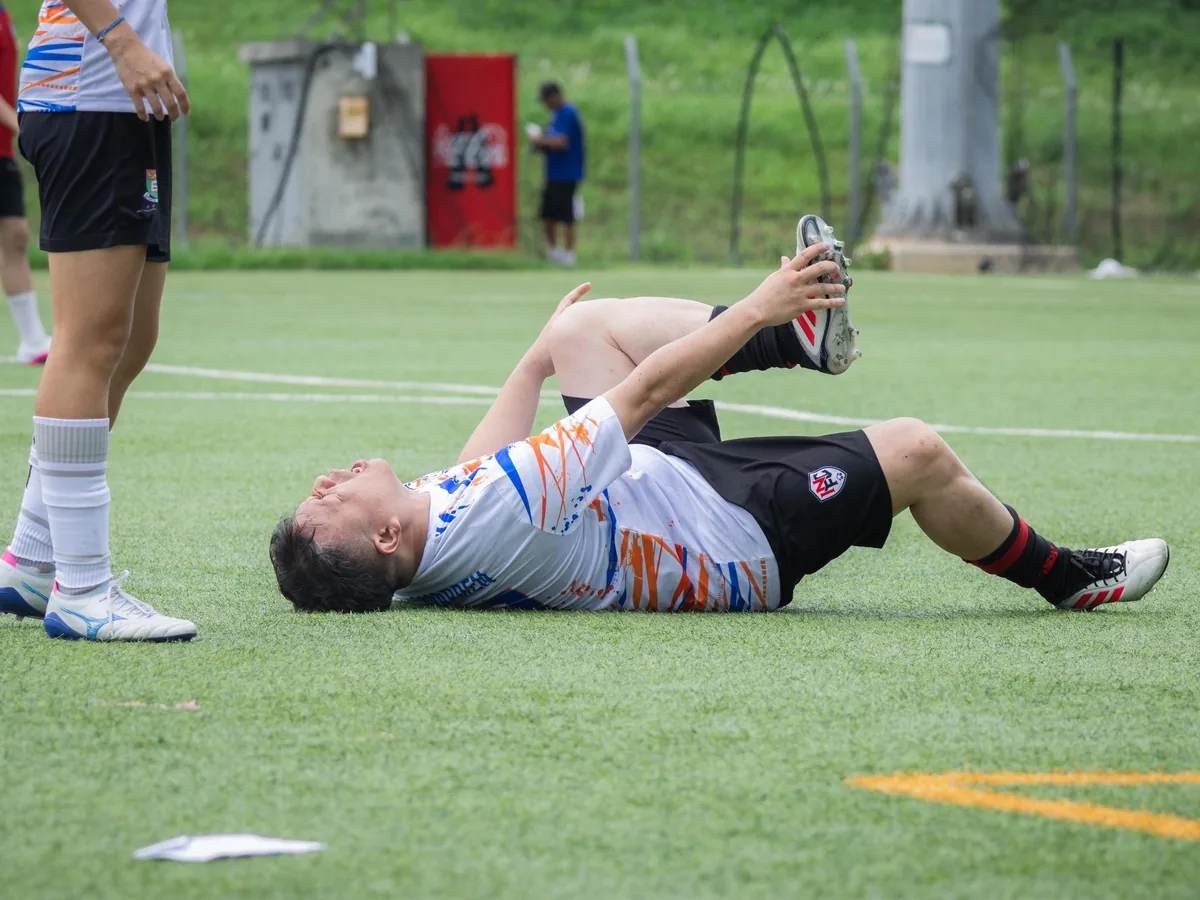
Understanding Sports Injuries
Sports injuries encompass a wide range of musculoskeletal conditions that occur during athletic activities, exercise, or physical recreation. These injuries can affect muscles, tendons, ligaments, bones, joints, and connective tissues throughout the body. Common sports injuries include sprains, strains, tendonitis, stress fractures, ligament tears (such as ACL injuries), rotator cuff injuries, tennis elbow, runner's knee, shin splints, and concussions. In Miami's vibrant sports and fitness community, where year-round outdoor activities and athletic pursuits are a way of life, sports injuries affect athletes of all levels—from professional competitors to recreational enthusiasts. These injuries can range from acute trauma resulting from a single impact or movement to overuse injuries that develop gradually through repetitive stress. The impact on daily life can be significant, limiting not only athletic performance but also routine activities like walking, climbing stairs, or even sleeping comfortably.
Sports injuries arise from numerous causes and risk factors, each contributing to vulnerability and severity. Acute injuries typically result from direct trauma, sudden movements, improper technique, or accidental collisions during sports participation. Overuse injuries develop when repetitive stress on tissues exceeds the body's ability to repair and adapt, often due to training errors, inadequate rest periods, or biomechanical imbalances. Intrinsic risk factors include previous injury history, poor conditioning, muscle imbalances, inadequate flexibility, age-related tissue changes, and genetic predisposition to certain conditions. Extrinsic factors encompass improper equipment, unsuitable training surfaces, environmental conditions, coaching errors, and rapid increases in training intensity or duration. Certain sports carry higher risks for specific injury patterns—contact sports increase fracture and concussion risk, running sports commonly cause lower extremity overuse injuries, and overhead sports frequently lead to shoulder problems. Understanding these multifactorial causes is essential for developing effective prevention strategies and targeted treatment approaches.
Professional medical treatment for sports injuries is crucial for optimal recovery, injury prevention, and long-term musculoskeletal health. While minor injuries may respond to basic rest and self-care, many sports injuries require expert evaluation to accurately diagnose the extent of tissue damage, rule out serious complications, and develop an appropriate treatment plan. Without proper treatment, sports injuries can lead to chronic pain, incomplete healing, compensatory movement patterns, reduced performance capacity, and significantly increased risk of re-injury. Professional care ensures accurate diagnosis through clinical examination and appropriate imaging studies, implementation of evidence-based treatment protocols, guided rehabilitation that progressively restores strength and function, modification of risk factors to prevent recurrence, and safe return-to-sport decision-making based on objective criteria. At Gables Pain in Miami, Dr. Steinberger understands the demands athletes place on their bodies and tailors treatment approaches to not only resolve current injuries but also optimize performance and prevent future problems, helping you achieve your athletic goals safely and sustainably.
Signs & Symptoms of Sports Injuries
- Sudden Sharp Pain - Immediate onset of intense pain at the moment of injury, often described as stabbing or shooting sensation in the affected area.
- Visible Swelling - Rapid swelling or inflammation around the injured joint or tissue, sometimes accompanied by warmth to the touch.
- Bruising or Discoloration - Development of bruises, ecchymosis, or skin color changes indicating bleeding beneath the surface from tissue damage.
- Audible Pop or Snap - Hearing or feeling a popping, snapping, or tearing sound at the time of injury, particularly common with ligament tears.
- Immediate Loss of Function - Sudden inability to use the injured body part normally, such as inability to bear weight or move a joint through its range of motion.
- Joint Instability - Feeling that a joint is loose, unstable, or "giving way" during movement or weight-bearing activities.
- Visible Deformity - Observable changes in bone or joint position, abnormal angles, or protrusions suggesting fracture or dislocation.
- Gradual Pain Development - Progressive increase in pain over weeks or months, initially present only during activity but eventually persisting at rest.
- Morning Stiffness - Increased stiffness and reduced mobility upon waking or after periods of inactivity that gradually improves with movement.
- Decreased Performance - Noticeable decline in athletic performance, reduced endurance, decreased strength, or inability to maintain previous training intensity.
- Persistent Tenderness - Ongoing tenderness to touch over specific areas like tendons, muscles, or bony prominences even when not actively using the area.
- Reduced Range of Motion - Progressive limitation in joint flexibility or inability to move through full range of motion without discomfort or restriction.
- Muscle Weakness - Development of weakness in muscles surrounding the injured area, often due to pain inhibition or disuse during healing.
- Recurring Symptoms - Pattern of symptoms that improve with rest but return when resuming activity, indicating incomplete healing or underlying biomechanical issues.
What to Expect
- Comprehensive assessment including detailed injury history, mechanism analysis, physical examination, biomechanics evaluation, and advanced diagnostic imaging when appropriate
- Personalized treatment plans tailored to your specific injury type, athletic goals, recovery timeline, and competitive level with clear milestones for progression
- Evidence-based modalities including physical therapy, regenerative medicine, therapeutic injections, pain management, and sport-specific rehabilitation programs
- Guided return-to-sport protocols with objective functional testing to ensure safe progression and minimize re-injury risk
- Long-term support including injury prevention strategies, biomechanical correction, maintenance programs, and proactive monitoring for sustained athletic success
- Platelet-rich plasma and shockwave therapy available in the office for tendon and soft-tissue injuries that have not settled with rest and rehabilitation
How We Treat Sports Injuries
Comprehensive Assessment
Your journey begins with a thorough evaluation including detailed injury history, mechanism of injury analysis, and comprehensive physical examination. We assess biomechanics, movement patterns, strength deficits, and flexibility limitations. Advanced diagnostic imaging may be ordered when appropriate to visualize tissue damage and guide treatment planning.
Personalized Treatment Plan
Based on your specific injury, athletic goals, and recovery timeline, we develop an individualized treatment strategy. Your plan addresses immediate pain relief, tissue healing optimization, functional restoration, and performance enhancement. We establish clear milestones and objective criteria for safe progression through recovery phases.
Ongoing Care & Prevention
Recovery is monitored closely with regular follow-ups to assess progress, adjust treatments, and ensure optimal healing. We guide your gradual return to sport with sport-specific training progressions and provide education on injury prevention strategies. Long-term support includes biomechanical correction, strength maintenance programs, and proactive monitoring to prevent recurrence.
Benefits
Fellowship-Trained in Interventional Pain
Dr. Tristan Steinberger, MD, is double board-certified by the American Board of Anesthesiology in anesthesiology and in pain medicine, and completed an Interventional Chronic Pain fellowship at the University of Vermont. That training is aimed squarely at identifying which structure is generating an athlete's pain, which is the step that decides whether an injection, a course of therapy, or a surgical opinion is the right next move.
Athlete-Centered Personalized Care
We recognize that every athlete is unique, with different sports demands, performance goals, and recovery timelines. Your treatment plan is meticulously customized to your specific injury, athletic discipline, competitive level, and personal objectives. We work collaboratively with you to balance optimal healing with your desire to return to sport safely and successfully.
PRP and Shockwave Therapy On Site
Platelet-rich plasma injections and shockwave therapy are available in the Coral Gables office for tendon and soft-tissue injuries that have not settled with rest and rehabilitation, so a recommended treatment does not require a referral elsewhere.
Scope Stated Up Front
Gables Pain is an interventional pain clinic, not an orthopedic surgery or sports medicine practice. Athletes are treated here for the pain generator, with imaging, injections, PRP, and shockwave therapy as appropriate, and referred out for surgical and rehabilitation care.
Your Treatment Journey
First Evaluation (Week 1)
Your initial visit includes a comprehensive injury assessment with detailed history, physical examination, and movement analysis. We'll review any existing imaging studies or order new diagnostics if needed. You'll leave with a clear diagnosis, understanding of your injury severity, initial pain management strategies, and a structured treatment plan with realistic recovery timeline expectations. Many patients experience significant pain relief even after this first visit through targeted interventions and proper injury management education.
Active Treatment Phase (Weeks 2-8)
During this critical healing period, treatment focuses on pain control, reducing inflammation, and initiating controlled rehabilitation. You'll engage in physical therapy exercises, receive appropriate interventions (medications, injections, or regenerative treatments), and gradually progress through functional activities as healing permits. We monitor your response closely and adjust treatment intensity based on your progress. Most patients notice substantial improvement in pain levels and begin regaining function during this phase, though complete recovery timelines vary significantly by injury type and severity.
Functional Restoration (Months 2-4)
As tissue healing progresses, treatment emphasis shifts to restoring full strength, flexibility, endurance, and sport-specific movements. Your rehabilitation becomes more challenging and tailored to your athletic demands. We implement progressive loading protocols, agility training, and sport-specific drills while continuously assessing your readiness to advance. Return-to-sport testing objectively measures your recovery against established criteria. This phase requires patience and adherence to structured progressions to minimize re-injury risk while optimizing performance outcomes.
Long-Term Success & Prevention (Ongoing)
After returning to sport, ongoing support focuses on maintaining gains, preventing recurrence, and optimizing long-term athletic performance. We provide maintenance exercise programs, biomechanical correction strategies, training load management guidance, and periodic check-ins to address emerging concerns early. Many athletes continue periodic visits for performance optimization, injury prevention screening, and proactive management of minor issues before they become significant problems. Our goal is not just injury recovery but sustained athletic success and longevity in your chosen sport.
Evidence-Based Treatment Modalities
Our comprehensive treatment approach integrates multiple evidence-based modalities tailored to your specific injury type and recovery stage. Acute injury management includes rest, ice, compression, and elevation (RICE protocol) combined with appropriate pain management through non-steroidal anti-inflammatory medications, analgesics, or targeted injections when indicated. Physical therapy forms the cornerstone of rehabilitation, incorporating manual therapy techniques, therapeutic exercises for strength and flexibility, neuromuscular re-education, proprioceptive training, and sport-specific functional progressions.
Advanced interventions may include platelet-rich plasma (PRP) injections or shockwave therapy to support tissue healing, corticosteroid injections for severe inflammation, and trigger point injections for muscle-related pain. We also utilize physical modalities including therapeutic ultrasound, electrical stimulation, and laser therapy to accelerate healing. Biomechanical analysis and correction through orthotics, bracing, or equipment modifications address underlying risk factors, while comprehensive education empowers you with self-management strategies for long-term success and injury prevention.
Recognizing Symptoms Early
If you recognize these signs, help is available. Early treatment leads to better outcomes, faster recovery, and reduced risk of chronic complications or re-injury.
Common Questions About Sports Injuries
How long does sports injury treatment typically take?
Recovery timelines vary significantly depending on injury type, severity, location, and individual healing factors. Minor sprains and strains may resolve in 2-6 weeks with appropriate treatment, while more severe injuries like ligament tears, stress fractures, or tendon ruptures may require 3-6 months or longer for complete recovery and safe return to sport. Overuse injuries typically improve within 6-12 weeks with proper activity modification and rehabilitation. Your treatment plan will include realistic timeline expectations specific to your injury, and we'll monitor progress closely to ensure you're healing appropriately. Rushing recovery or returning to sport prematurely significantly increases re-injury risk, so adherence to recommended timelines is essential for optimal long-term outcomes.
Is medication always required for sports injury treatment?
Not all sports injuries require medication, and our approach prioritizes conservative, non-pharmacological interventions whenever possible. Many mild to moderate injuries respond well to rest, ice, compression, elevation (RICE), physical therapy, and activity modification alone. However, medications can play an important role in specific situations. Non-steroidal anti-inflammatory drugs (NSAIDs) help reduce pain and inflammation in acute injuries, while analgesics provide pain relief without anti-inflammatory effects. Topical medications offer localized relief with minimal systemic effects. For more severe pain or inflammation, corticosteroid injections or regenerative medicine treatments like PRP may be beneficial. We'll discuss the risks and benefits of any recommended medications and involve you in treatment decisions, always seeking the most conservative effective approach for your specific situation.
Does insurance cover sports injury treatment?
Most health insurance plans provide coverage for medically necessary sports injury evaluation and treatment, including physician consultations, diagnostic imaging, physical therapy, and interventional procedures. Coverage specifics vary by plan, including deductibles, co-payments, and whether prior authorization is required for certain services. Gables Pain accepts insurance, and the office will verify your coverage, explain your benefits, and handle authorization requirements. It's worth understanding your plan's specific provisions on specialist visits, interventional procedures, and therapy session limits. We're committed to making treatment accessible and will work with you to maximize your insurance benefits while providing transparent cost information for any out-of-pocket expenses.
What if my injury isn't improving with treatment?
If you're not experiencing expected improvement, we'll conduct a comprehensive reassessment to identify potential barriers to recovery. This may include reviewing adherence to the treatment plan, evaluating for complications or additional injuries missed in initial assessment, considering underlying biomechanical or training issues, or exploring whether the initial diagnosis needs revision. Diagnostic imaging may be repeated if tissue healing isn't progressing normally. We may adjust your treatment approach by intensifying certain interventions, adding new modalities, referring for specialized consultations, or considering more advanced procedures if conservative measures prove insufficient. Open communication about your progress and concerns is essential—plateaus in recovery are not uncommon, but persistent lack of improvement warrants investigation. We keep looking for effective options rather than closing the file on a case that has not improved.
Is Gables Pain a sports medicine or orthopedic practice?
No. Gables Pain is an interventional pain clinic. Athletes are treated here for the pain generator using imaging, image-guided injections, platelet-rich plasma, and shockwave therapy where appropriate, and are referred to an orthopedic surgeon, physical therapist, or trainer for surgical care and rehabilitation. You will be told clearly which part of your care belongs here.
How can I prevent future sports injuries?
Sports injury prevention requires a comprehensive, multifaceted approach that we'll help you develop. Key strategies include proper conditioning with gradual training progression rather than sudden intensity increases, maintaining strength and flexibility through balanced training programs, using sport-specific warm-up routines before activity and cool-down protocols afterward, ensuring adequate recovery time between training sessions, addressing biomechanical issues through technique refinement or equipment modifications, using appropriate protective gear and properly fitted footwear, cross-training to avoid overuse of specific muscle groups, maintaining proper hydration and nutrition to support tissue health, and listening to your body by addressing minor discomfort before it becomes a major injury. We provide personalized injury prevention screening, identify your specific risk factors, and develop targeted strategies to keep you performing at your best while minimizing injury risk throughout your athletic career.
Related Conditions
Related
Chronic Pain
Comprehensive treatment for persistent pain conditions affecting daily function and quality of life.
Related
Arthritis
Expert management of osteoarthritis and inflammatory joint conditions causing pain and stiffness.
Related
Back Pain
Specialized care for acute and chronic back pain from various causes including injury and degeneration.
Get Help for Sports Injuries Today
You don't have to face sports injuries alone. We are ready to help you recover, return to sport, and perform at your best.
Schedule an Appointment