
Osteoarthritis Treatment in Miami
Osteoarthritis doesn't have to control your life. Dr. Steinberger provides comprehensive, evidence-based treatment plans designed to reduce joint pain, restore mobility, and improve your quality of life.
Understanding Osteoarthritis
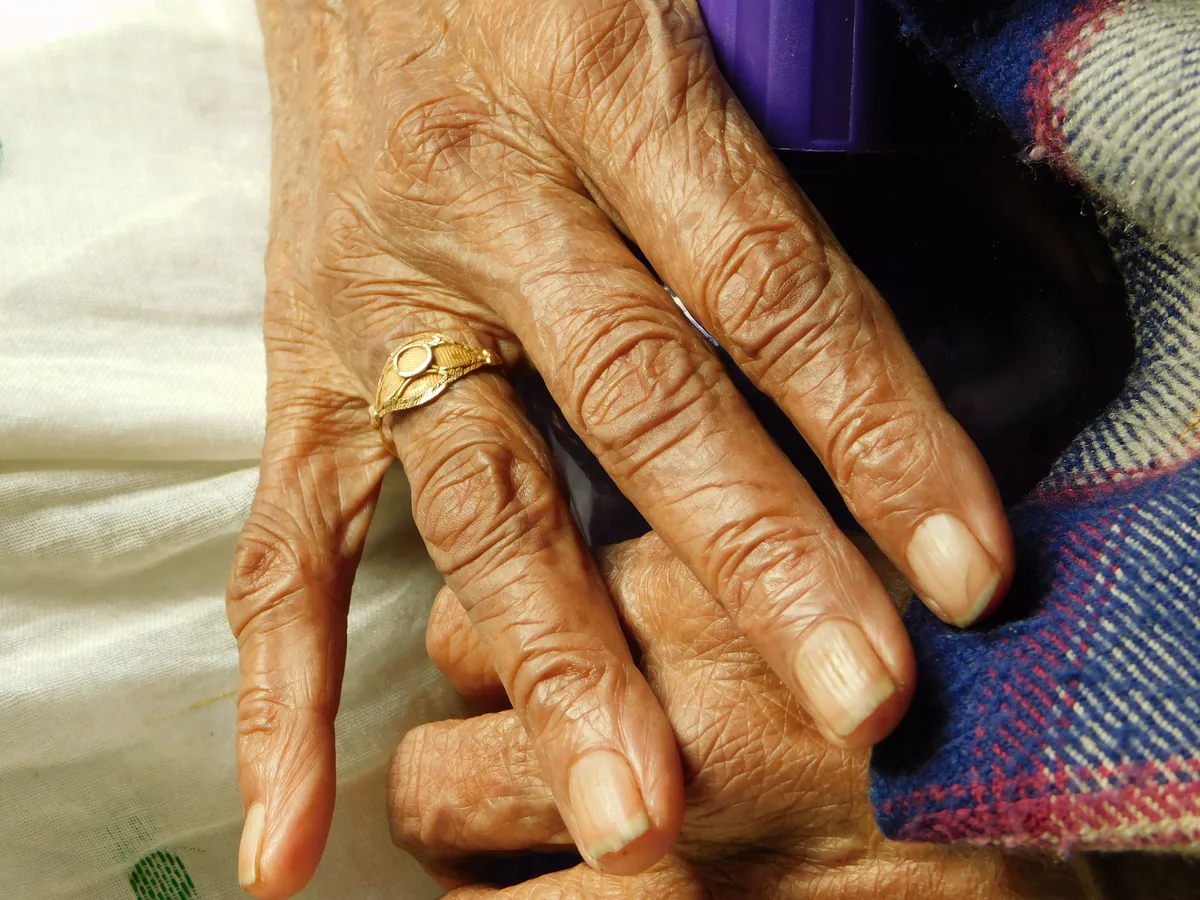
Osteoarthritis (OA) is the most common form of arthritis, affecting more than 32.5 million adults in the United States alone. Often called "wear-and-tear arthritis," osteoarthritis occurs when the protective cartilage that cushions the ends of bones gradually breaks down over time. This degenerative joint condition most commonly affects the knees, hips, hands, and spine, causing pain, stiffness, swelling, and decreased range of motion. For many people living in Miami, osteoarthritis can significantly impact daily activities—from climbing stairs and getting in and out of cars to enjoying beach walks and maintaining an active lifestyle. The condition typically develops slowly and worsens over time, making early intervention and proper management essential for preserving joint function and quality of life.
Multiple factors contribute to the development of osteoarthritis. Age is the most significant risk factor, as joint cartilage naturally deteriorates over decades of use. However, osteoarthritis isn't simply an inevitable part of aging—other important risk factors include previous joint injuries, repetitive stress on joints from certain occupations or sports, obesity (which places extra stress on weight-bearing joints), genetics, and joint misalignment. Women are more likely than men to develop osteoarthritis, particularly after age 50. Metabolic diseases like diabetes and conditions that affect bone and joint health can also increase susceptibility. In Miami's active outdoor culture, previous sports injuries and high-impact activities can accelerate cartilage breakdown, while our subtropical climate may offer some relief for joint stiffness compared to colder regions.
While there is no cure for osteoarthritis, professional medical treatment can dramatically slow disease progression, manage pain effectively, and maintain joint function far longer than attempting to manage symptoms alone. Many patients wait too long to seek treatment, allowing the condition to progress to a point where cartilage damage becomes irreversible and joint replacement surgery becomes the only option. Early intervention with a comprehensive treatment plan—including appropriate medications, therapeutic injections, physical therapy, weight management, and lifestyle modifications—can preserve your joints, reduce inflammation, and help you maintain the activities you love. At Gables Pain, our specialized approach to osteoarthritis combines the latest evidence-based treatments with personalized care tailored to your specific condition, lifestyle, and goals.
Signs & Symptoms of Osteoarthritis
- Joint Pain During or After Movement: Affected joints hurt during activity or shortly after, particularly with weight-bearing or repetitive movements.
- Morning Stiffness: Joint stiffness upon waking or after periods of inactivity that typically lasts less than 30 minutes.
- Tenderness with Pressure: Joints feel tender when you apply light pressure or touch the affected area.
- Loss of Flexibility: Decreased range of motion making it harder to fully bend or straighten the affected joint.
- Grating Sensation (Crepitus): A crackling, popping, or grinding feeling when moving the joint, sometimes accompanied by audible sounds.
- Joint Swelling: Soft tissue inflammation around the joint causing visible swelling and a feeling of tightness.
- Pain at Rest: As the condition advances, joint pain may occur even when resting or during sleep.
- Bone Spurs: Hard lumps of extra bone that form around the affected joint, sometimes felt under the skin.
- Joint Instability: The joint may feel unstable or give way during weight-bearing activities, affecting balance and confidence.
- Difficulty with Daily Activities: Simple tasks like climbing stairs, opening jars, or getting dressed become increasingly challenging.
- Joint Deformity: In advanced cases, joints may appear misshapen or misaligned due to cartilage loss and bone changes.
- Sleep Disruption: Joint pain and stiffness interfere with sleep quality, leading to fatigue and decreased daytime function.
What to Expect
- Comprehensive assessment including medical history, physical examination, and imaging review to determine severity and impact
- Personalized multimodal treatment plans integrating medications, injections, physical therapy, and lifestyle modifications
- A double board-certified pain medicine physician with fellowship training in interventional chronic pain
- Regular monitoring and treatment adjustments to optimize long-term joint health and function
- Access to full spectrum of conservative and interventional treatments under one roof
- Image-guided joint injections performed on site in Coral Gables, so a recommended procedure does not require a second facility visit
How We Treat Osteoarthritis
Comprehensive Assessment
Your first visit includes a detailed medical history, thorough physical examination of affected joints, and review of any existing imaging studies. We assess pain levels, range of motion, joint stability, and how osteoarthritis impacts your daily life. This comprehensive evaluation allows us to determine the severity of cartilage damage, identify contributing factors, and understand your treatment goals—whether that's returning to sports, reducing medication dependence, or simply walking without pain.
Personalized Treatment Plan
Based on your assessment findings, we create a customized multimodal treatment plan tailored to your specific condition and lifestyle. This plan integrates appropriate pain medications, therapeutic injections, physical therapy recommendations, activity modifications, and weight management strategies if applicable. We explain each treatment option in detail, discuss expected outcomes and timelines, and ensure you're comfortable with the approach before proceeding. Your plan evolves as your condition improves or changes.
Ongoing Care & Monitoring
Osteoarthritis is a chronic condition requiring long-term management, not just a one-time fix. We schedule regular follow-up visits to monitor your progress, adjust medications as needed, and provide additional interventional treatments when appropriate. Between visits, you can reach the office at (305) 204-5917 with questions or concerns. We track outcome measures over time—pain levels, functional improvements, medication usage—to ensure your treatment remains effective and make evidence-based adjustments to optimize your joint health for the long term.
Benefits
Double Board-Certified Physician
Dr. Tristan Steinberger, MD, is double board-certified by the American Board of Anesthesiology in anesthesiology and in pain medicine. His focus is interventional pain management, which for osteoarthritis means accurate image-guided injections and a clear view of when a procedure will and will not help.
Personalized Care Approach
We recognize that every patient's osteoarthritis is different. Your treatment plan is tailored to your specific joints affected, severity, lifestyle, and personal goals.
A Clear Answer on What Will Help
Not every arthritic joint responds to an injection. The evaluation here is aimed at telling you plainly whether an interventional option is worth doing for your joint, and what the realistic alternative is if it is not.
Comprehensive Treatment Options
From conservative management to image-guided interventional procedures, Gables Pain offers a full range of osteoarthritis treatments in one office, including therapeutic injections, radiofrequency ablation for suitable joints, and platelet-rich plasma.
Your Treatment Journey
First Evaluation (Week 1)
Your initial visit includes a comprehensive joint examination, discussion of your symptoms and medical history, and review of any X-rays or MRI scans you've had. We'll assess which joints are affected, the severity of cartilage loss, and how osteoarthritis is impacting your daily function. Together, we'll establish realistic treatment goals and create your personalized care plan. Most patients leave the first visit with a clear understanding of their condition, immediate pain management strategies, and next steps for treatment.
Treatment Begins (Weeks 2-4)
Treatment initiation depends on your specific plan but typically includes starting oral medications, beginning physical therapy exercises, and potentially scheduling your first therapeutic injection if appropriate. Many patients notice some improvement in pain levels within the first two to four weeks, though optimal benefits from injections and therapy often take four to six weeks. We provide clear instructions for medications, activity modifications, and home exercises. During this phase, you may have one or two follow-up visits or check-in calls to ensure treatments are working well and address any side effects.
Progress Review (Months 2-3)
At the two to three month mark, we conduct a thorough progress evaluation. We assess pain reduction, improvements in joint function and range of motion, and your ability to perform daily activities. This is when we determine if your current treatment plan is optimal or if adjustments are needed—perhaps adding another modality, changing medications, or considering additional injections. Many patients experience significant improvement by this point, while others may need treatment intensification. We also discuss long-term management strategies and preventive measures to slow disease progression.
Long-Term Management
Osteoarthritis is a chronic condition requiring ongoing management rather than a one-time cure. Once we've achieved good symptom control, you'll transition to maintenance care with periodic follow-up visits (typically every three to six months). These visits allow us to monitor disease progression, adjust treatments as needed, and provide repeat injections if beneficial. Many patients maintain excellent function and quality of life for years with appropriate ongoing care. We'll also discuss when surgical consultation might be appropriate if conservative management becomes insufficient—our goal is always to preserve your natural joints as long as possible.
Early Warning Signs and Progressive Symptoms
If you recognize these signs, help is available. Early treatment leads to better outcomes, preserving joint function and preventing the need for more invasive interventions down the road.
Evidence-Based Treatment Modalities
Our evidence-based treatment approach for osteoarthritis incorporates multiple proven modalities tailored to disease severity and patient goals. For pain management, we utilize oral medications including NSAIDs, acetaminophen, and when appropriate, duloxetine for associated pain sensitization. Topical therapies such as diclofenac gel provide localized relief without systemic side effects.
Interventional treatments include corticosteroid injections for acute inflammation, hyaluronic acid (viscosupplementation) injections to improve joint lubrication and function, and platelet-rich plasma (PRP) therapy for patients seeking regenerative approaches. We coordinate closely with physical therapists who provide targeted strengthening exercises, range-of-motion work, and manual therapy techniques. Weight management support, activity modification guidance, and assistive device recommendations (braces, shoe inserts, canes) are integrated as needed. For patients unresponsive to conservative care, we facilitate appropriate referrals to orthopedic surgeons specializing in joint preservation or replacement procedures.
Common Questions About Osteoarthritis
How long does osteoarthritis treatment take to work?
The timeline varies depending on the treatment modality and severity of your condition. Oral pain medications typically provide relief within a few days to two weeks. Corticosteroid injections often reduce pain and inflammation within three to five days, with peak benefit at one to two weeks. Hyaluronic acid injections may take four to six weeks to reach maximum effectiveness. Physical therapy benefits accumulate gradually over six to twelve weeks of consistent exercises. Most patients notice meaningful improvement within the first month of comprehensive treatment, with continued gains over the following two to three months. However, osteoarthritis is a chronic condition—treatment focuses on long-term management rather than a quick fix.
Is medication always required for osteoarthritis?
Not always. Treatment approaches are individualized based on pain severity, functional limitations, and patient preferences. Some patients with mild osteoarthritis manage well with physical therapy, exercise, weight management, and activity modifications alone. However, most patients benefit from at least periodic medication use—whether over-the-counter pain relievers, prescription NSAIDs, or topical treatments. The goal is to use the minimum medication necessary to maintain acceptable pain control and function. Some patients need daily medications, while others use them only during flare-ups. Joint injections can sometimes reduce or eliminate the need for daily oral medications. We work with you to find the least medication-dependent approach that still keeps you active and comfortable.
Does insurance cover osteoarthritis treatment?
Most health insurance plans, cover medically necessary osteoarthritis treatment. This typically includes office visits, diagnostic imaging, oral medications (with varying copays based on formulary tier), and therapeutic injections like corticosteroids and hyaluronic acid. Physical therapy is usually covered with some limitations on visit frequency. Prior authorization may be required for certain treatments, particularly newer injection therapies or medications. Coverage for emerging treatments like PRP therapy varies—some insurers cover it while others consider it investigational. The office can verify your specific coverage, obtain necessary authorizations, and help you understand your out-of-pocket costs before proceeding with treatment. We'll work within your insurance parameters whenever possible.
What if my osteoarthritis treatment isn't working?
If you're not experiencing adequate improvement after six to eight weeks of treatment, we reassess and adjust your care plan. Options include switching to different medications, adding interventional treatments like injections if not yet tried, increasing physical therapy intensity, or considering regenerative therapies. Sometimes uncontrolled osteoarthritis pain indicates more advanced cartilage loss requiring different interventions. We may order updated imaging to assess disease progression or refer you to specialists in related fields—orthopedic surgeons for surgical evaluation, rheumatologists to rule out inflammatory arthritis, or sports medicine physicians for advanced rehabilitation. Our goal is persistent problem-solving until we find the approach that works for you, and we never give up on helping you achieve better function and quality of life.
How do I know whether an injection is worth trying for my joint?
That is what the initial evaluation is for. Not every arthritic joint responds to an injection, and the honest answer for some patients is that the better option is weight management, activity modification, or a surgical opinion. You will be told which category your joint falls into rather than scheduled for a procedure by default.
Will I eventually need joint replacement surgery?
Not necessarily. While osteoarthritis is progressive, many patients manage their condition successfully with conservative treatment for years or even decades without needing surgery. The need for joint replacement depends on several factors: the severity of cartilage loss, how well you respond to non-surgical treatments, your age and activity level, and your personal tolerance for residual symptoms. Our goal is always to preserve your natural joints as long as possible through comprehensive medical management. When conservative treatments no longer provide acceptable pain relief and function—despite exhausting all reasonable options—that's when surgical consultation becomes appropriate. Even then, you're an active participant in the decision-making process. Some patients with advanced osteoarthritis choose to continue conservative management, while others opt for surgery to regain function. We support you either way.
Related Conditions
Related
Chronic Pain
Comprehensive treatment for persistent pain conditions affecting quality of life and daily function.
Related
Back Pain
Evidence-based treatment for acute and chronic back pain including spinal osteoarthritis.
Related
Joint Pain
Specialized care for all types of joint pain including arthritis, injuries, and inflammatory conditions.
Get Help for Osteoarthritis Today
You don't have to face osteoarthritis alone. Gables Pain in Coral Gables is ready to help you reduce pain, preserve joint function, and get back to the activities you love.
Schedule an Appointment