
Hip Pain & Bursitis Treatment in Miami
Hip pain and bursitis can significantly impact your mobility, sleep, and quality of life, making everyday activities challenging and uncomfortable. Dr. Steinberger provides comprehensive, evidence-based treatment to reduce inflammation, relieve pain, and restore your ability to move freely.
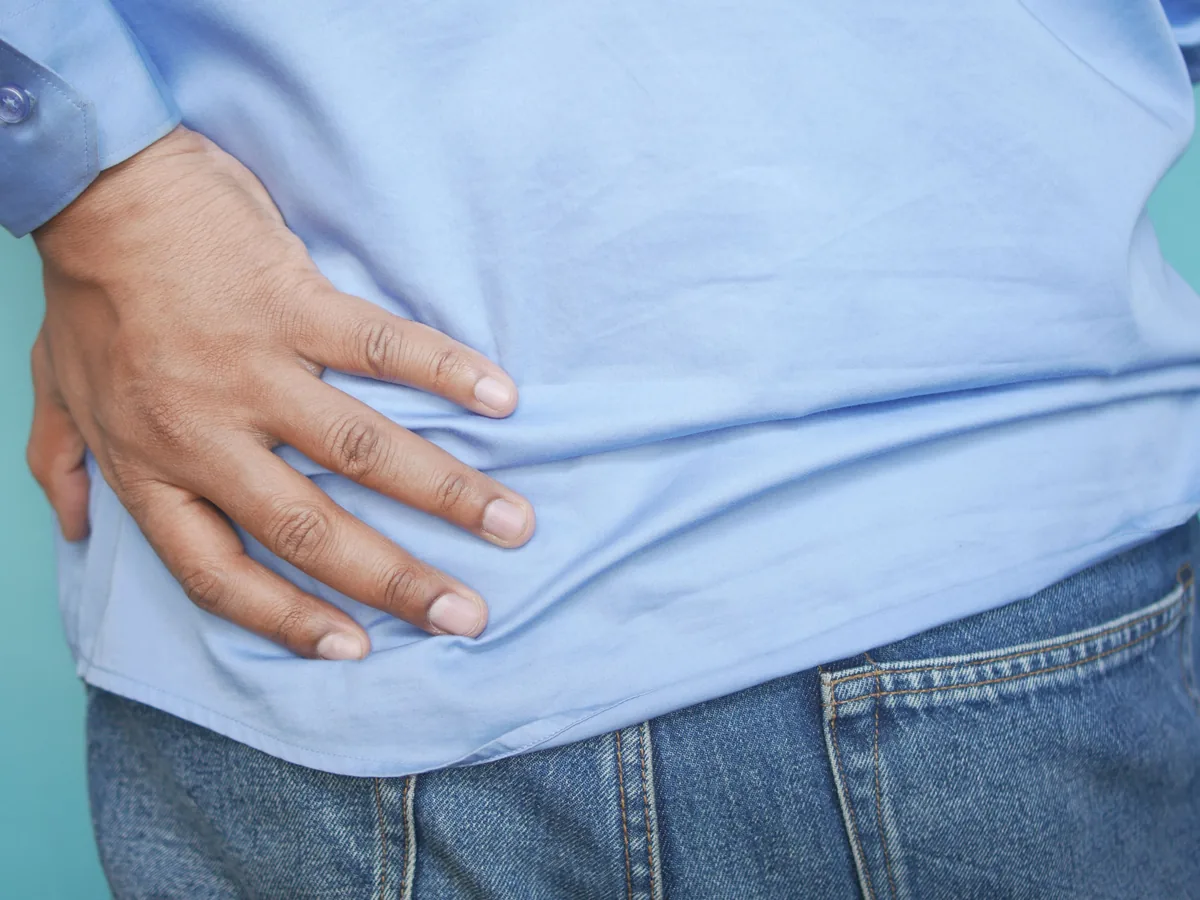
Understanding Hip Pain & Bursitis
Hip pain and bursitis represent some of the most common causes of hip discomfort, affecting millions of Americans each year. Bursitis occurs when the small, fluid-filled sacs called bursae that cushion the bones, tendons, and muscles near your joints become inflamed. In the hip, the most commonly affected bursa is the trochanteric bursa, located on the outside of the hip where the femur meets the pelvis. This condition, known as trochanteric bursitis or greater trochanteric pain syndrome, can cause significant pain that radiates down the outer thigh and makes it difficult to lie on the affected side, climb stairs, or perform routine activities. Beyond bursitis, hip pain can stem from arthritis, tendinitis, muscle strains, labral tears, or referred pain from the lower back, making accurate diagnosis essential for effective treatment.
The causes of hip pain and bursitis are varied and often multifactorial. Repetitive stress from activities like running, cycling, or prolonged standing can irritate the bursa and surrounding tissues. Direct trauma from falls or impacts, leg length discrepancies, hip bone spurs, previous hip surgery, and conditions like rheumatoid arthritis or gout can all contribute to bursa inflammation. Risk factors include age (more common in middle-aged and older adults), female gender, obesity (which increases stress on the hip joint), poor posture, muscle weakness or imbalance, and occupations or activities that require repetitive hip movements or prolonged pressure on the hip. Understanding these underlying factors is crucial because addressing the root cause—not just the symptoms—leads to more sustainable pain relief and functional improvement.
Professional treatment for hip pain and bursitis is essential because without proper intervention, the condition can become chronic, leading to persistent pain, limited mobility, compensatory movement patterns, and secondary problems in other joints. Many people attempt to manage hip pain with over-the-counter medications and rest alone, but this approach often provides only temporary relief and doesn't address inflammation, biomechanical issues, or muscle imbalances. At Gables Pain in Miami, our comprehensive approach combines thorough diagnostic evaluation, targeted anti-inflammatory treatments, physical therapy, injections when appropriate, and patient education to not only relieve your current symptoms but also prevent recurrence. Early intervention significantly improves outcomes and helps you return to the activities you love without the constant burden of hip pain.
Signs & Symptoms of Hip Pain & Bursitis
- Pain on the Outside of the Hip - Sharp or aching pain over the bony prominence on the outer hip, often worsening with pressure or touch.
- Difficulty Lying on Affected Side - Inability to sleep on the painful hip due to pressure sensitivity, leading to disrupted sleep and fatigue.
- Pain When Climbing Stairs - Increased discomfort when ascending or descending stairs, often accompanied by weakness or instability.
- Difficulty Rising from Seated Position - Pain or stiffness when standing up from a chair or getting out of a car, especially after prolonged sitting.
- Limping or Altered Gait - Walking with a noticeable limp to avoid putting full weight on the painful hip, affecting balance and posture.
- Reduced Range of Motion - Stiffness and decreased flexibility in the hip joint, making it harder to bend, rotate, or extend the leg.
- Pain Radiating Down the Thigh - Discomfort that extends from the hip down the outer thigh, sometimes reaching as far as the knee.
- Tenderness to Touch - The outer hip area is sensitive when pressed, making activities like massage or physical contact uncomfortable.
- Swelling Around the Hip - Visible or palpable inflammation in the hip region, accompanied by warmth or redness in some cases.
- Pain That Worsens with Activity - Discomfort that increases with walking, running, or standing for extended periods, improving somewhat with rest.
- Morning Stiffness - Hip feels particularly stiff and painful upon waking, requiring time and movement to loosen up.
- Difficulty with Exercise or Sports - Inability to participate in activities you once enjoyed due to pain, weakness, or fear of worsening the condition.
- Compensatory Pain in Other Joints - Development of discomfort in the lower back, opposite hip, or knees due to altered movement patterns.
- Chronic Pain Despite Rest - Persistent discomfort that doesn't fully resolve with rest or over-the-counter pain relievers, indicating need for professional care.
What to Expect
- Comprehensive evaluation including medical history, physical examination, and imaging studies to accurately diagnose hip pain and bursitis
- Personalized treatment plans combining physical therapy, targeted exercises, and anti-inflammatory medications tailored to your specific condition
- Advanced interventional options including corticosteroid injections and regenerative medicine techniques for cases requiring intensive relief
- Patient education on proper body mechanics, preventive exercises, and self-management strategies to maintain long-term hip health
- Image-guided hip and greater trochanteric injections performed in the office during your visit
- Evaluation by a double board-certified pain physician with fellowship training in interventional chronic pain
How We Treat Hip Pain & Bursitis
Comprehensive Assessment
Your treatment begins with a thorough evaluation including detailed medical history, physical examination focusing on hip range of motion, strength testing, gait analysis, and palpation of tender areas. We may order imaging studies such as X-rays or MRI to rule out other conditions and confirm the diagnosis. This comprehensive assessment allows us to identify not just the symptoms but the underlying biomechanical and inflammatory factors contributing to your hip pain.
Personalized Treatment Plan
Based on your unique presentation, we develop a customized treatment strategy that may include physical therapy to strengthen hip muscles and improve flexibility, targeted exercises to correct biomechanical imbalances, and activity modification guidance. We create a plan that fits your lifestyle, goals, and severity of symptoms, ensuring you receive the right combination of interventions to achieve optimal healing and functional restoration.
Ongoing Care & Prevention
We monitor your progress through regular follow-up appointments, adjusting your treatment plan as you improve and your needs change. Our goal extends beyond symptom relief to include education on proper body mechanics, ergonomic modifications, and preventive exercises that reduce the risk of recurrence. We provide you with tools and strategies to maintain hip health long-term, empowering you to stay active and pain-free.
Benefits
Board-Certified in Anesthesiology and Pain Medicine
Dr. Tristan Steinberger, MD, completed an Interventional Chronic Pain fellowship at the University of Vermont and is double board-certified by the American Board of Anesthesiology. Telling greater trochanteric pain from hip joint pain or a referred lumbar source is the part of this that changes the treatment, and it is done in person by the physician.
Personalized, Patient-Centered Care
We recognize that every patient's experience with hip pain is unique, influenced by their lifestyle, activity level, medical history, and personal goals. We take the time to listen to your concerns, understand your specific challenges, and develop a treatment plan that aligns with your needs and preferences, ensuring a collaborative approach to your recovery.
Image-Guided Hip Injections On Site
Greater trochanteric and intra-articular hip injections are performed in the office under image guidance, by the same physician who examined you and decided the injection was the right next step.
Differentiating the Source of Hip Pain
Hip pain can come from the joint, the greater trochanteric region, or a referred lumbar source, and those three are treated very differently. Separating them accurately is the part of hip care that determines whether treatment works.
Your Treatment Journey
First Evaluation (Week 1)
During your initial visit, we conduct a comprehensive evaluation including a detailed discussion of your symptoms, medical history, lifestyle factors, and treatment goals. We perform a thorough physical examination of your hip, assess your gait and range of motion, and review any imaging studies you may have. By the end of this appointment, you'll have a clear diagnosis, understand the factors contributing to your hip pain, and receive a personalized treatment plan with realistic expectations for recovery.
Treatment Begins (Weeks 2-4)
Treatment typically starts with conservative measures including physical therapy, targeted exercises, and anti-inflammatory medications. Most patients begin to notice improvement in pain levels within the first 2-4 weeks as inflammation decreases and muscle strength improves. If conservative treatment doesn't provide adequate relief, we may recommend a corticosteroid injection to provide more immediate pain control. During this phase, we emphasize patient education, teaching you proper body mechanics and self-management strategies.
Progress Review (Months 2-3)
We schedule follow-up appointments to assess your progress, evaluate functional improvements, and adjust your treatment plan as needed. Many patients experience significant pain reduction and restored mobility by this stage, allowing them to gradually return to normal activities. We continue to refine your exercise program, address any remaining biomechanical issues, and ensure you're on track for long-term success. This is also when we identify and address any barriers to recovery.
Long-Term Management
Once your acute symptoms have resolved, we focus on prevention and maintenance. You'll receive a comprehensive home exercise program designed to maintain hip strength and flexibility, guidance on activity modification to prevent recurrence, and strategies for managing any occasional flare-ups. Most patients are able to maintain their improvement with minimal ongoing intervention, though we remain available for periodic check-ins or if symptoms recur. Our goal is to equip you with the knowledge and tools for lasting hip health.
Evidence-Based Treatment Modalities
Our treatment approach integrates multiple evidence-based modalities tailored to your specific condition. We utilize anti-inflammatory medications including NSAIDs when appropriate to reduce bursa inflammation and pain. Physical therapy plays a central role, incorporating therapeutic exercises to strengthen the hip abductors and gluteal muscles, manual therapy techniques, and stretching protocols to improve flexibility and correct muscle imbalances.
For cases requiring more intensive intervention, we offer corticosteroid injections directly into the bursa to provide rapid, targeted anti-inflammatory relief. Advanced treatment options may include regenerative medicine techniques such as platelet-rich plasma (PRP) injections for chronic cases. We also emphasize activity modification, weight management when applicable, and use of assistive devices if necessary. Our multimodal approach ensures we address all contributing factors, providing comprehensive relief and functional restoration for hip pain and bursitis.
Functional & Mobility Symptoms Context
If you recognize these signs, help is available. Early treatment leads to better outcomes, preventing chronic pain and preserving your mobility and quality of life.
Common Questions About Hip Pain & Bursitis
How long does it take to recover from hip bursitis?
Recovery time for hip bursitis varies depending on the severity of inflammation and individual factors, but most patients experience significant improvement within 6-8 weeks with appropriate treatment. Conservative measures including physical therapy, rest modification, and anti-inflammatory medications can provide relief in 4-6 weeks for mild to moderate cases. If a corticosteroid injection is used, many patients notice improvement within days to weeks. Chronic or severe cases may require 3-6 months of comprehensive treatment. Adhering to your prescribed exercise program and activity modifications significantly influences recovery speed.
Will I need to take medication for hip pain and bursitis?
Medication is often a helpful component of treatment, particularly in the acute phase when inflammation and pain are most severe. We may recommend over-the-counter NSAIDs like ibuprofen or naproxen to reduce inflammation and control pain, typically for short-term use. In some cases, prescription anti-inflammatory medications may be necessary. If conservative treatment doesn't provide adequate relief, we may recommend a corticosteroid injection directly into the bursa for targeted, potent anti-inflammatory effect. However, medication is just one part of a comprehensive treatment plan that emphasizes physical therapy, exercise, and biomechanical correction. Our goal is always to minimize medication dependence while maximizing functional recovery.
Does insurance cover hip pain and bursitis treatment?
Most insurance plans, cover treatment for hip pain and bursitis when it is medically necessary. Coverage typically includes office visits, physical therapy, diagnostic imaging, and therapeutic injections. The specific coverage details, including copays, deductibles, and prior authorization requirements, vary by plan and provider network. We recommend contacting your insurance company before your first appointment to understand your benefits and any out-of-pocket costs. The office is experienced in working with insurance companies and can help verify your benefits, submit documentation, and answer questions about coverage and billing.
What if physical therapy and medications don't help my hip pain?
If conservative treatments don't provide adequate relief after 6-8 weeks, we have several advanced options available. Corticosteroid injections can provide powerful, targeted anti-inflammatory relief directly to the affected bursa, often resulting in significant improvement when oral medications haven't helped. For chronic or refractory cases, we may consider regenerative medicine approaches such as platelet-rich plasma (PRP) injections to promote tissue healing. We'll also reassess your diagnosis to ensure we haven't missed other contributing factors such as hip labral tears, arthritis, or referred pain from the lower back. In rare cases where all conservative and interventional treatments have failed, we may discuss surgical options, though the vast majority of patients respond well to non-surgical treatment.
How do you tell hip joint pain from bursitis?
Through history, a targeted physical examination, imaging review, and in some cases a diagnostic injection. Greater trochanteric pain, true hip joint pathology, and referred lumbar pain can feel similar to the patient and are treated very differently, so separating them accurately is the step that determines whether treatment works.
How can I prevent hip bursitis from coming back?
Preventing recurrence of hip bursitis requires addressing the underlying biomechanical and lifestyle factors that contributed to the initial problem. We provide comprehensive education on maintaining strong hip abductor and gluteal muscles through a home exercise program, which helps stabilize the hip and reduce stress on the bursa. Proper warm-up before exercise, gradual progression of activity intensity, and avoiding repetitive movements that aggravate the hip are essential. If you have a leg length discrepancy, shoe lifts or orthotics may be recommended. Maintaining a healthy weight reduces stress on the hip joint. We also teach proper body mechanics for daily activities and ergonomic modifications for work and sleep positions. With these preventive strategies, most patients can successfully avoid recurrence and maintain long-term hip health.
Related Conditions
Related
Knee Pain
Comprehensive treatment for knee arthritis, meniscus tears, patellar tendinitis, and other knee conditions affecting mobility and quality of life.
Related
Lower Back Pain
Expert care for chronic lower back pain, sciatica, herniated discs, and spinal stenosis with both conservative and interventional treatments.
Related
Arthritis
Personalized treatment plans for osteoarthritis and rheumatoid arthritis to reduce inflammation, manage pain, and preserve joint function.
Get Help for Hip Pain & Bursitis Today
You don't have to face hip pain and bursitis alone. The practice is ready to help you find relief and restore your mobility.
Schedule an Appointment