
Peripheral Neuropathy Treatment in Miami
Peripheral neuropathy affects millions of Americans, causing debilitating nerve pain, numbness, and weakness that disrupts daily life. At Gables Pain, Dr. Steinberger provides comprehensive, evidence-based treatment to restore function and relieve your symptoms.
Understanding Peripheral Neuropathy
Peripheral neuropathy is a condition resulting from damage to the peripheral nervous system—the vast network of nerves that transmits information between your central nervous system (brain and spinal cord) and the rest of your body. This damage disrupts normal communication, leading to pain, numbness, tingling, and weakness, typically in the hands and feet. More than 20 million Americans suffer from some form of peripheral neuropathy, with the condition significantly impacting quality of life, mobility, balance, and the ability to perform everyday tasks. The symptoms can range from mild discomfort to severe, debilitating pain that interferes with sleep, work, and relationships.
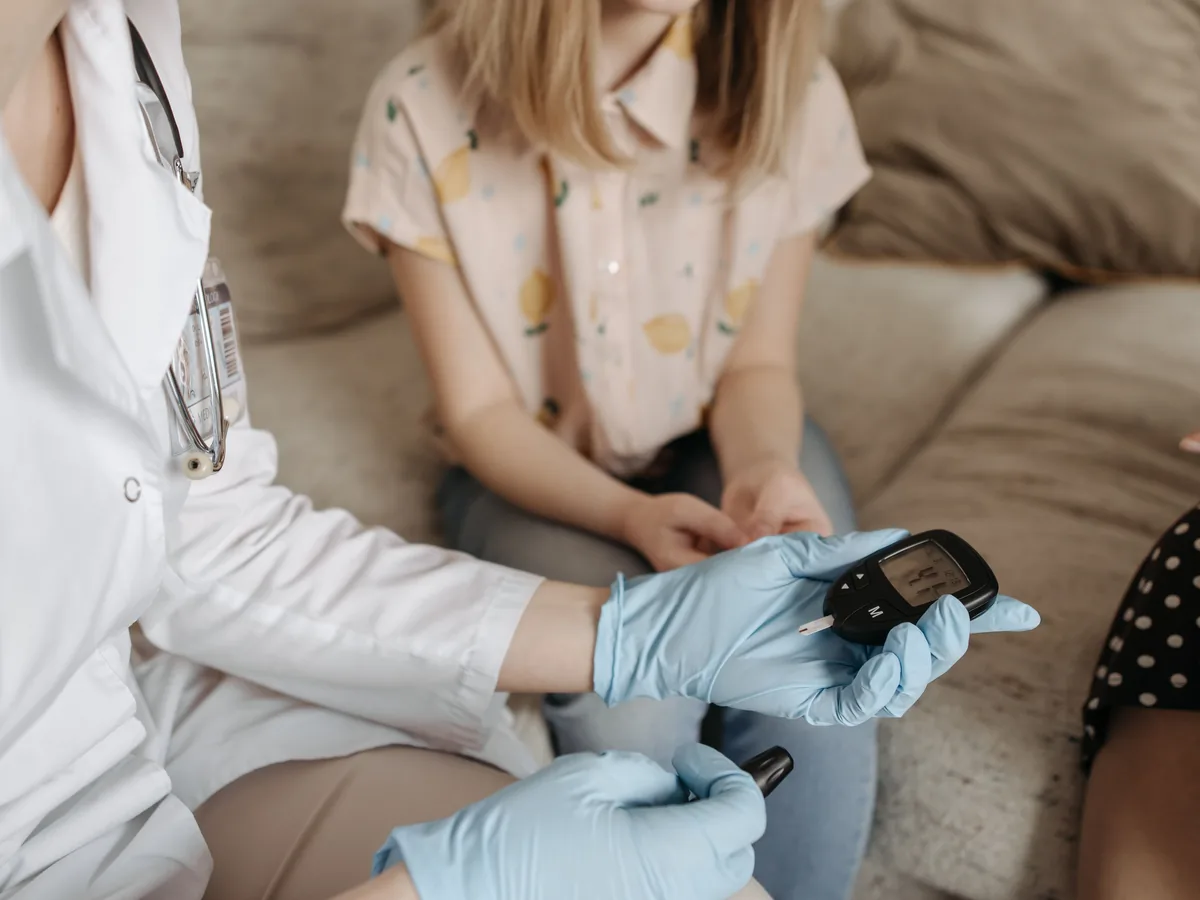
The causes of peripheral neuropathy are diverse and numerous. Diabetes is the leading cause, accounting for approximately 30% of cases, as prolonged high blood sugar levels gradually damage nerve fibers. Other common causes include autoimmune diseases like lupus and rheumatoid arthritis, infections such as Lyme disease and shingles, traumatic injuries, exposure to toxins including chemotherapy drugs and excessive alcohol consumption, vitamin deficiencies (particularly B vitamins), hereditary conditions, and certain medications. In some cases, the cause remains unknown, a condition called idiopathic neuropathy. Risk factors include poorly controlled diabetes, vitamin deficiencies, repetitive motions, family history of neuropathy, kidney or liver disease, and advancing age.
Professional treatment for peripheral neuropathy is essential because nerve damage can be progressive and, if left untreated, may become permanent. Early intervention can halt or slow progression, manage symptoms effectively, prevent complications such as falls and foot ulcers, and significantly improve quality of life. Without proper treatment, peripheral neuropathy can lead to serious complications including loss of limb due to infections, severe balance problems resulting in falls and fractures, and chronic pain that becomes increasingly difficult to manage. At Gables Pain in Miami, we take a comprehensive, multidisciplinary approach to diagnosing the underlying cause of your neuropathy and developing a personalized treatment plan that addresses both symptoms and root causes, helping you regain function and return to the activities you enjoy.
Signs & Symptoms of Peripheral Neuropathy
- Numbness and Tingling: Progressive loss of sensation or pins-and-needles feeling, typically starting in the toes and fingers and gradually spreading upward.
- Burning or Shooting Pain: Intense burning sensations or sudden electric shock-like pain that can occur spontaneously or be triggered by touch.
- Extreme Sensitivity to Touch: Pain from stimuli that normally wouldn't cause discomfort, such as light touch or the weight of bedsheets (allodynia).
- Loss of Temperature Sensation: Inability to properly sense hot or cold temperatures, increasing risk of burns and frostbite injuries.
- Sharp, Jabbing Pain: Sudden, severe pain that feels like stabbing or electric shocks, often worse at night and interfering with sleep.
- Decreased Pain Awareness: Reduced ability to feel pain or pressure, leading to unnoticed injuries, particularly on the feet.
- Muscle Weakness: Progressive loss of strength in affected areas, difficulty lifting objects, or trouble with fine motor tasks like buttoning clothes.
- Loss of Coordination and Balance: Difficulty walking, frequent stumbling or falling, and impaired balance due to reduced sensation in the feet.
- Muscle Cramping and Twitching: Involuntary muscle contractions, painful cramps, or visible twitching (fasciculations) in affected muscle groups.
- Excessive Sweating or Inability to Sweat: Abnormal sweating patterns due to autonomic nerve damage, affecting the body's temperature regulation.
- Digestive Problems: Constipation, diarrhea, bloating, or nausea caused by damage to nerves controlling digestive function.
- Blood Pressure Changes: Dizziness upon standing (orthostatic hypotension) or blood pressure fluctuations due to autonomic dysfunction.
- Bladder Control Issues: Urinary incontinence, retention, or difficulty sensing when the bladder is full.
What to Expect
- Comprehensive neurological evaluation to identify the type and extent of nerve damage
- Advanced diagnostic testing including nerve conduction studies and electromyography when necessary
- Personalized treatment plans combining medication, nutritional therapy, and lifestyle modifications
- Coordination with other healthcare providers for management of underlying conditions like diabetes
- Regular follow-up monitoring to assess progress and adjust treatments for optimal results
- Education on self-care strategies, foot care protocols, and complication prevention
How We Treat Peripheral Neuropathy
Comprehensive Assessment
Your journey begins with a thorough evaluation including detailed medical history, physical examination, and neurological testing to identify the type and extent of nerve damage. We utilize advanced diagnostic tools such as nerve conduction studies and electromyography (EMG) when necessary to pinpoint the underlying cause. Your physician also reviews your current medications, nutritional status, and lifestyle factors that may be contributing to your condition.
Personalized Treatment Plan
Based on your specific diagnosis and needs, we develop a customized treatment strategy that addresses both symptom management and underlying causes. Your plan may include medication adjustments, nutritional supplementation, physical therapy recommendations, and lifestyle modifications. We coordinate with your other healthcare providers to ensure comprehensive care, particularly if diabetes or other conditions are contributing factors.
Ongoing Care & Monitoring
Peripheral neuropathy requires consistent monitoring and treatment adjustments to achieve optimal results. We schedule regular follow-up appointments to assess your progress, modify medications as needed, and ensure your treatment plan remains effective. Dr. Steinberger provides education on self-care strategies, foot care protocols to reduce the risk of complications, and techniques for managing symptoms at home.
Benefits
One Double Board-Certified Physician
Dr. Tristan Steinberger, MD, is board-certified by the American Board of Anesthesiology in anesthesiology and in pain medicine. Neuropathy care depends on consistency over months, and at Gables Pain the same physician tracks your symptoms and adjusts the plan at every visit.
Personalized Care Approach
We recognize that every patient's neuropathy is unique, with different causes, symptoms, and treatment responses. We take time to understand your specific situation, medical history, and goals to create a truly individualized treatment plan rather than applying a one-size-fits-all approach.
Consistency Across Visits
Neuropathy is tracked over time. Because one physician sees you at every appointment, a change in your symptoms is measured against an exam he performed himself rather than a note written by someone else.
Neuropathy Treated as a Long Course
Peripheral neuropathy from diabetes, chemotherapy, autoimmune causes, and idiopathic cases is managed here over time, with attention to the underlying cause, medication tolerance, and fall and foot-care risk alongside symptom control.
Your Treatment Journey
First Evaluation (Week 1)
During your initial consultation, we conduct a comprehensive neurological examination, review your complete medical history, and may order diagnostic tests such as nerve conduction studies or blood work to identify the underlying cause. You'll discuss your symptoms in detail, including when they started, what makes them better or worse, and how they impact your daily life. By the end of this visit, we'll have a clear understanding of your condition and begin formulating your personalized treatment strategy.
Treatment Begins (Weeks 2-4)
Once we receive diagnostic results and finalize your treatment plan, we initiate therapy which may include starting medications, nutritional supplementation, and lifestyle recommendations. During this phase, you'll begin taking prescribed medications (which may need gradual dose adjustments), implement dietary changes or supplements, and start any recommended physical therapy or exercise programs. We typically schedule a check-in within 2-3 weeks to assess initial response and make any necessary adjustments.
Progress Review (Months 2-3)
Most patients begin experiencing symptom improvement within 4-8 weeks, though the timeline varies based on the severity and cause of neuropathy. During follow-up appointments, we assess pain reduction, improved sensation, better balance and mobility, and enhanced quality of life. We fine-tune your treatment plan based on your response, adjusting medications, adding therapies, or addressing any side effects. Realistic expectations are important: while we can often significantly reduce symptoms and prevent progression, complete reversal of nerve damage is not always possible, especially in advanced cases.
Long-Term Management
Peripheral neuropathy is often a chronic condition requiring ongoing management to maintain symptom control and prevent progression. Once we achieve optimal symptom relief, we transition to maintenance care with periodic follow-ups (typically every 3-6 months) to monitor your condition, adjust medications as needed, and address any new concerns. We emphasize self-management strategies including daily foot inspections, adherence to medication regimens, regular exercise, and management of underlying conditions like diabetes. Our goal is to help you maintain the best possible quality of life while minimizing neuropathy's impact on your daily activities.
Evidence-Based Treatment Modalities
Our evidence-based treatment approach incorporates multiple therapeutic modalities tailored to your specific type of neuropathy. Pharmacological interventions may include medications such as gabapentin, pregabalin, duloxetine, or other neuropathic pain agents that work by modulating nerve signals and reducing pain perception. For patients with diabetic neuropathy, optimal blood sugar control is paramount. Nutritional therapy addresses deficiencies, particularly B vitamins (B1, B6, B12), alpha-lipoic acid, and other supplements that support nerve health and regeneration. Physical therapy and exercise programs strengthen muscles, improve balance, and maintain mobility while preventing falls. Transcutaneous electrical nerve stimulation (TENS) may provide non-invasive pain relief by delivering gentle electrical impulses. For severe cases we may recommend a nerve block, or refer you for spinal cord stimulation — an implanted device this practice does not place. Throughout your treatment, we emphasize lifestyle modifications including smoking cessation, alcohol reduction, proper foot care, and stress management techniques that support overall nerve health and optimize healing.
Symptoms Impact and Importance of Treatment
If you recognize these signs, help is available. Early treatment leads to better outcomes, preventing permanent nerve damage and restoring your quality of life.
Common Questions About Peripheral Neuropathy
How long does peripheral neuropathy treatment take to work?
The timeline for improvement varies depending on the severity of nerve damage, underlying cause, and individual response to treatment. Many patients notice some symptom reduction within 2-4 weeks of starting medication, but significant improvement typically takes 6-12 weeks. Nerve regeneration is a slow process, occurring at approximately 1mm per day, so complete recovery can take months to over a year in some cases. The key is consistency with your treatment plan and realistic expectations—while we can often achieve substantial symptom relief and prevent further damage, complete reversal may not be possible in cases of severe or long-standing neuropathy.
Is medication always required for peripheral neuropathy?
Not always, but medication is often a key component of effective neuropathy treatment. The necessity depends on symptom severity, underlying cause, and treatment goals. Mild neuropathy may respond to lifestyle modifications, nutritional supplementation (particularly B vitamins), physical therapy, and management of underlying conditions like diabetes. However, moderate to severe neuropathic pain typically requires medications such as gabapentin, pregabalin, duloxetine, or other agents specifically designed to reduce nerve pain. Some patients may also benefit from topical treatments like capsaicin or lidocaine patches. Our approach is to use the minimum effective intervention—if your symptoms can be managed without medication, we'll pursue that path, but we won't let you suffer unnecessarily when effective pharmacological options are available.
Does insurance cover peripheral neuropathy treatment?
Most insurance plans, cover evaluation and treatment of peripheral neuropathy as it is a recognized medical condition. Coverage typically includes office visits, diagnostic testing (nerve conduction studies, EMG, blood work), prescribed medications, and physical therapy when medically necessary. However, coverage specifics vary by plan, and some treatments may require prior authorization. We recommend contacting your insurance provider before your first appointment to understand your benefits, copays, and any deductibles. The office can also help verify your coverage and work with your insurance company to obtain necessary authorizations. For patients without insurance or with high deductibles, we can discuss payment options and alternative treatment approaches that fit your budget.
What if my peripheral neuropathy isn't improving with treatment?
If you're not experiencing adequate improvement after 8-12 weeks of treatment, we have several options to explore. First, we'll reassess your diagnosis to ensure we haven't missed an underlying cause or contributing factor. We may adjust medication dosages, switch to different neuropathic pain agents, or add complementary medications that work through different mechanisms. For refractory cases, we can consider advanced interventions such as nerve blocks, referral for spinal cord stimulation, or referral to specialized centers for comprehensive pain management programs. Some patients benefit from combination therapies including acupuncture, biofeedback, or cognitive behavioral therapy for pain management. It's important to communicate openly with us about your response to treatment—peripheral neuropathy can be challenging to treat, but we have multiple therapeutic options available and will work persistently to find the approach that provides you with meaningful relief.
Can peripheral neuropathy be cured completely?
The potential for complete recovery depends on the underlying cause and extent of nerve damage. Neuropathy caused by reversible factors—such as vitamin deficiencies, certain medications, or toxin exposure—may resolve completely once the underlying cause is corrected. Early-stage diabetic neuropathy may improve significantly with excellent blood sugar control. However, neuropathy caused by chronic conditions, significant nerve damage, or hereditary factors is typically not completely curable but can be effectively managed. Even when complete cure isn't possible, treatment can often achieve substantial symptom reduction, prevent further progression, improve function and quality of life, and reduce complication risks. Our realistic goal is to help you achieve the best possible outcome—whether that's complete resolution or effective long-term symptom management that allows you to maintain your activities and independence.
What should I bring to my first neuropathy appointment?
Bring recent bloodwork if you have it, including A1c and B12 if those have been checked, a list of every medication and supplement you take, any prior nerve conduction or EMG results, and the name of the physician managing your diabetes or other underlying condition. Much of neuropathy care depends on what is driving the nerve damage.
Related Conditions
Related
Chronic Pain
Comprehensive management for persistent pain conditions affecting quality of life.
Related
Diabetic Neuropathy
Specialized treatment for nerve damage caused by diabetes and blood sugar imbalances.
Related
Nerve Pain
Advanced treatments for neuropathic pain including burning, shooting, and electric sensations.
Get Help for Peripheral Neuropathy Today
You don't have to face peripheral neuropathy alone. Gables Pain in Coral Gables is ready to help you find relief and regain your quality of life.
Schedule an Appointment