
Compression Fractures Treatment in Miami
Vertebral compression fractures can cause debilitating pain and significantly impact your quality of life, but advanced treatment options can provide relief and restore function. At Gables Pain, Dr. Steinberger offers comprehensive, evidence-based care tailored to your unique needs.
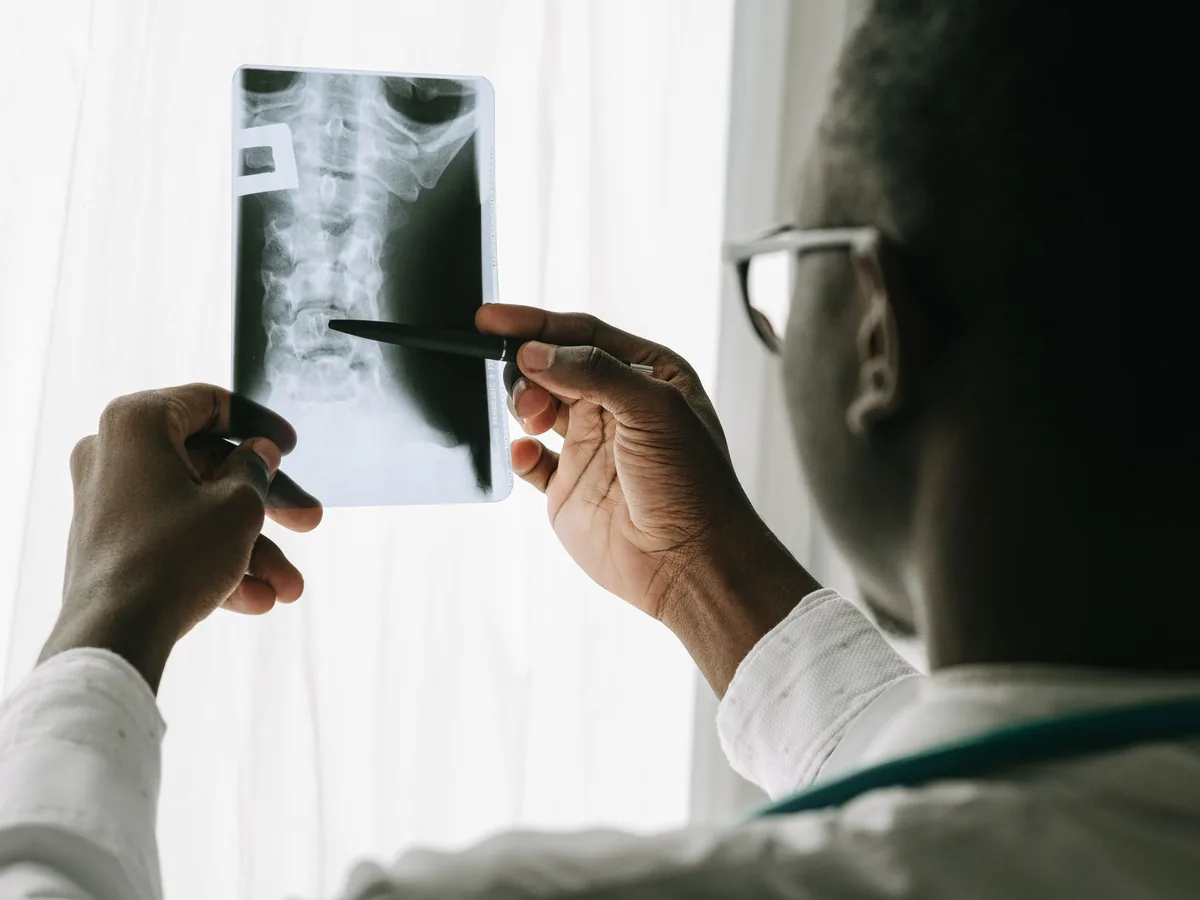
Understanding Compression Fractures
Compression fractures are a type of vertebral fracture where one or more bones in the spine collapse, typically affecting the thoracic (mid-back) or lumbar (lower back) regions. These fractures occur when the vertebral body is compressed beyond its ability to support weight, causing it to crack or collapse. Compression fractures are extremely common, affecting approximately 700,000 Americans each year, with women over 50 being particularly vulnerable due to osteoporosis. The impact on daily life can be profound—patients often experience severe back pain, height loss, limited mobility, and in advanced cases, a forward-curving posture known as kyphosis or "dowager's hump." The pain can make simple activities like walking, standing, or even sitting uncomfortable, significantly diminishing quality of life and independence.
The primary cause of compression fractures is osteoporosis, a condition that weakens bones and makes them brittle and prone to breaking. However, compression fractures can also result from trauma such as falls or car accidents, cancer that has spread to the bones (metastatic disease), or tumors that originate in the spine. Risk factors include advanced age, female gender, low bone density, prolonged corticosteroid use, smoking, excessive alcohol consumption, sedentary lifestyle, and conditions affecting bone health such as hyperparathyroidism or vitamin D deficiency. People with rheumatoid arthritis or those who have undergone organ transplants are also at increased risk. In some cases, compression fractures can occur spontaneously during routine activities like lifting light objects, bending forward, or even coughing—a testament to how significantly weakened the bones have become.
Professional medical treatment is essential for compression fractures because untreated fractures can lead to chronic pain, progressive spinal deformity, decreased lung capacity, digestive problems, and loss of independence. While some compression fractures may heal on their own with conservative care, many require specialized interventions to relieve pain, stabilize the spine, and prevent further fractures. Early diagnosis and treatment can halt the progression of spinal deformity, reduce pain, improve function, and significantly enhance quality of life. At Gables Pain in Miami, we employ advanced diagnostic techniques and offer a full spectrum of treatment options—from conservative management to minimally invasive procedures—all designed to address not just the immediate fracture but also the underlying causes to prevent future occurrences. Our comprehensive approach ensures you receive personalized care that addresses your specific condition, lifestyle, and treatment goals.
Signs & Symptoms of Compression Fractures
- Sudden, Severe Back Pain: Sharp pain that begins suddenly, often during lifting, bending, or even routine activities.
- Pain When Standing or Walking: Discomfort that worsens with upright positions and weight-bearing activities.
- Limited Spinal Mobility: Difficulty bending, twisting, or moving your back due to pain and structural changes.
- Loss of Height: Noticeable decrease in height over time as vertebrae collapse and compress.
- Stooped Posture (Kyphosis): Forward curvature of the spine creating a hunched appearance, especially in the upper back.
- Pain Relief When Lying Down: Symptoms typically improve when resting in a horizontal position, reducing spinal load.
- Difficulty Breathing: In severe cases with multiple fractures, reduced chest cavity space can impair lung function.
- Difficulty Performing Daily Activities: Challenges with routine tasks like dressing, bathing, cooking, or household chores.
- Sleep Disturbances: Chronic pain and discomfort that interferes with restful sleep and sleep positions.
- Reduced Independence: Increasing reliance on others for assistance with mobility and daily living activities.
- Depression or Anxiety: Emotional distress stemming from chronic pain, physical limitations, and lifestyle changes.
- Fear of Falling: Apprehension about additional fractures leads to restricted activity and social isolation.
- Digestive Problems: Compressed abdominal space can cause constipation, reduced appetite, and early satiety.
- Progressive Disability: Without treatment, multiple fractures can lead to cumulative functional decline and frailty.
What to Expect
- Compression fractures affect approximately 700,000 Americans each year, most commonly due to osteoporosis
- Advanced minimally invasive procedures like vertebroplasty and kyphoplasty can provide rapid pain relief within 24-48 hours
- Early treatment can halt spinal deformity progression and prevent future fractures through bone health optimization
- Most patients achieve significant functional improvement within 2-3 months with appropriate treatment
- Conservative management includes bracing, medications, and physical therapy for 6-12 weeks
- Comprehensive care addresses both immediate pain relief and long-term bone health to reduce future fracture risk
How We Treat Compression Fractures
Comprehensive Assessment
We begin with a detailed medical history, physical examination, and advanced imaging studies including X-rays, MRI, or bone density scans to accurately diagnose the fracture location, severity, and underlying cause. Our evaluation identifies contributing factors such as osteoporosis, cancer, or trauma to develop the most effective treatment strategy. We also assess your pain levels, functional limitations, and overall health to create a truly personalized care plan.
Individualized Treatment Plan
Based on your specific diagnosis, we design a customized treatment approach that may include conservative management with bracing and pain medications, or advanced interventional procedures such as vertebroplasty or kyphoplasty for suitable candidates. Your plan considers fracture characteristics, pain severity, overall health status, and personal goals. We work collaboratively with you to ensure the treatment aligns with your preferences and lifestyle, balancing effectiveness with minimal invasiveness.
Ongoing Care & Prevention
Compression fracture treatment extends beyond the initial intervention—we provide continuous monitoring, physical therapy coordination, and medication management to optimize healing and prevent future fractures. Our follow-up care includes bone health optimization with calcium, vitamin D, and osteoporosis medications when appropriate. We educate you on fall prevention strategies, safe body mechanics, and lifestyle modifications that protect your spine and enhance long-term outcomes and quality of life.
Benefits
Fellowship-Trained Interventional Physician
Dr. Tristan Steinberger, MD, is double board-certified by the American Board of Anesthesiology in anesthesiology and in pain medicine and completed his interventional chronic pain fellowship at the University of Vermont. Vertebral fracture pain is evaluated here with an eye to which cases need an interventional procedure and which will settle with time and bracing.
Personalized Treatment Approach
We recognize that every compression fracture patient is unique—your treatment plan is tailored to your specific fracture pattern, health status, and personal goals.
Procedures and Follow-Up in One Office
Evaluation, image-guided procedures, and follow-up all happen at 401 S. Le Jeune Road, Suite 300 in Coral Gables, which reduces the travel burden for patients whose fracture pain makes movement difficult.
Conservative and Interventional Paths
Vertebral compression fractures are managed here with bracing, medication, and bone health referral where that is enough, and with interventional options considered when pain remains severe and imaging supports it.
Your Treatment Journey
First Evaluation (Week 1)
Your initial visit includes a comprehensive consultation, physical examination, review of imaging studies, and diagnosis confirmation. We'll discuss your symptoms in detail, assess your functional limitations, and explain all treatment options available. You'll leave with a clear understanding of your condition, a personalized treatment plan, initial pain management strategies, and scheduled follow-up appointments. For many patients, conservative treatment begins immediately with bracing and medication.
Treatment Begins (Weeks 2-4)
For conservative treatment, you'll continue with prescribed medications, wear your back brace as directed, and begin gentle physical therapy as tolerated. We monitor your progress closely and adjust medications as needed to optimize pain control. If you're a candidate for vertebroplasty or kyphoplasty, the procedure is typically performed as an outpatient under conscious sedation or light anesthesia, taking about one hour. Most patients experience significant pain relief within 24-48 hours and can return to light activities shortly thereafter.
Progress Review (Months 2-3)
During follow-up appointments, we evaluate your healing progress with repeat imaging if necessary, assess pain reduction and functional improvement, and adjust treatment as needed. Physical therapy continues with progressive strengthening exercises, posture training, and balance work. We address bone health optimization with osteoporosis medications, calcium and vitamin D supplementation, and lifestyle counseling. Most patients see substantial improvement in pain and function during this phase, though complete healing takes several months.
Long-term Management
Ongoing care focuses on preventing future fractures through continued bone health management, regular bone density monitoring, fall prevention strategies, and maintenance of core strength and flexibility. We provide periodic follow-ups to ensure sustained improvement and address any new concerns promptly. With proper treatment and prevention measures, most patients achieve excellent long-term outcomes with reduced pain, improved posture, restored function, and significantly decreased risk of additional fractures, allowing return to an active, independent lifestyle.
Evidence-Based Treatment Modalities
Our evidence-based treatment arsenal includes both conservative and interventional approaches. Conservative management incorporates analgesics (NSAIDs, acetaminophen), muscle relaxants, calcitonin nasal spray for acute fractures, and custom-fitted thoracolumbosacral orthoses (TLSO braces) to stabilize the spine during healing. For patients who don't respond adequately to conservative care, vertebral augmentation procedures such as vertebroplasty and kyphoplasty may be appropriate. Gables Pain does not perform these, and Dr. Steinberger will refer you to a surgeon who does. What we can offer alongside that is interventional pain control while the fracture heals. We also address underlying osteoporosis with bisphosphonates, denosumab, or other bone-strengthening medications, complemented by physical therapy to improve posture, strengthen core muscles, and enhance balance to reduce fall risk and protect against future fractures.
Symptom Recognition and Early Intervention
If you recognize these signs, help is available. Early treatment leads to better outcomes, reduced pain, and improved quality of life. Contact our Miami clinic today to begin your recovery journey.
Common Questions About Compression Fractures
How long does compression fracture treatment take?
Treatment duration varies based on fracture severity and chosen approach. Conservative treatment typically requires 6-12 weeks of bracing and restricted activity, with gradual improvement over 3-6 months. Vertebroplasty and kyphoplasty patients often experience dramatic pain relief within days, with full recovery taking 4-8 weeks. Long-term bone health management and prevention strategies continue indefinitely to reduce future fracture risk. Most patients achieve significant functional improvement within 2-3 months.
Is medication always required for compression fractures?
Most compression fracture patients benefit from medications during the acute phase. Pain medications (NSAIDs, acetaminophen, or short-term opioids) help manage discomfort during healing. If osteoporosis is the underlying cause, bone-strengthening medications such as bisphosphonates, denosumab, or teriparatide are essential for preventing future fractures. Calcium and vitamin D supplementation support bone health. After vertebroplasty or kyphoplasty, pain medication needs typically decrease rapidly. We tailor medication regimens to your specific needs and monitor closely to minimize side effects while optimizing outcomes.
Does insurance cover compression fracture treatment?
Yes, most insurance plans, cover medically necessary compression fracture treatment. Conservative management with medications and bracing is typically covered. Vertebroplasty and kyphoplasty are generally covered when conservative treatment has failed and specific criteria are met, including acute fracture with severe pain, MRI confirmation, and documented functional impairment. Coverage specifics vary by plan and individual circumstances. The office works with your insurance provider to verify coverage and obtain the pre-authorizations your plan requires.
What if conservative treatment isn't working?
If conservative management with bracing, medications, and activity modification doesn't provide adequate relief within 4-6 weeks, we have additional options. Vertebroplasty or kyphoplasty can provide rapid pain relief and spine stabilization for appropriate candidates. We'll reassess your imaging to confirm the fracture remains acute and potentially treatable with these procedures. In some cases, adjusting medications, adding physical therapy modalities, or addressing underlying conditions like severe osteoporosis can improve outcomes. Our goal is persistent pain relief and restored function—we won't give up until we find the right solution for you.
Where are compression fracture procedures performed?
Evaluation and follow-up take place at 401 S. Le Jeune Road, Suite 300 in Coral Gables, Miami, FL 33134. When an interventional procedure is indicated, it is discussed and arranged directly with you, including where it will be done and what the recovery looks like. Keeping the evaluation and follow-up in one office reduces travel when fracture pain makes movement difficult.
Will I need surgery for a compression fracture?
Traditional open surgery is rarely needed for compression fractures. Most patients respond well to conservative treatment or minimally invasive procedures. Vertebroplasty and kyphoplasty are outpatient procedures performed through tiny skin punctures under image guidance—not traditional surgery. They require only local anesthesia with light sedation and involve minimal recovery time. Open surgical stabilization with rods and screws is reserved for rare cases involving neurological compromise, spinal instability, or multiple fractures with severe deformity. Published outcomes for compression fractures show that most patients do well without major surgery.
Related Conditions
Related
Back Pain
Comprehensive treatment for acute and chronic back pain conditions affecting the spine and surrounding structures.
Related
Osteoporosis Pain
Management of pain and complications related to osteoporosis and bone density loss.
Related
Spinal Stenosis
Treatment for narrowing of the spinal canal causing nerve compression and pain.
Get Help for Compression Fractures Today
You don't have to face compression fractures alone. Gables Pain in Coral Gables is ready to help you find relief and restore your quality of life.
Schedule an Appointment