
Imagine waking up one day to find that a minor injury—a sprained ankle, a fractured wrist, or even a simple surgery—has triggered a cascade of unbearable pain that seems completely out of proportion to the original trauma. The affected limb feels like it's burning, freezing, or being crushed simultaneously. This is the bewildering reality for individuals living with Complex Regional Pain Syndrome (CRPS), one of the most challenging and misunderstood chronic pain conditions in modern medicine.
CRPS doesn't discriminate, affecting people of all ages and backgrounds, often transforming their lives in ways they never anticipated. Understanding this condition is the first step toward effective management, compassionate care, and renewed hope for those who suffer from its debilitating effects.
What is Complex Regional Pain Syndrome?
Complex Regional Pain Syndrome is a chronic pain condition that typically affects an arm or leg, usually developing after an injury, surgery, stroke, or heart attack. What makes CRPS particularly perplexing is that the pain experienced is disproportionately severe compared to the initial injury. The condition was formerly known as Reflex Sympathetic Dystrophy (RSD) and causalgia.
There are two types of CRPS:
- Type 1 (CRPS-I): Occurs without confirmed nerve injury, accounting for about 90% of cases. It typically follows an event such as a fracture, sprain, or soft tissue injury.
- Type 2 (CRPS-II): Develops after a confirmed nerve injury. The symptoms are similar to Type 1, but the presence of nerve damage distinguishes this classification.
Despite these distinctions, both types share similar symptoms and treatment approaches, as the underlying mechanism involves dysfunction in the nervous system's response to injury.
Recognizing the Signs and Symptoms
CRPS manifests through a constellation of symptoms that can vary significantly from person to person. The hallmark sign is continuous, intense pain—often described as burning, throbbing, or stabbing—that is far greater than what would normally be expected from the initial injury.
Additional symptoms include:
- Changes in skin temperature and color: The affected limb may feel warmer or cooler than the opposite limb, and skin may appear blotchy, purple, pale, or red.
- Swelling and stiffness: Inflammation and joint stiffness are common, limiting range of motion.
- Sensitivity to touch or cold: Even light touch or temperature changes can trigger severe pain (allodynia).
- Changes in skin texture: Skin may become shiny, thin, or excessively sweaty.
- Motor dysfunction: Weakness, tremors, muscle spasms, or dystonia (involuntary muscle contractions) may develop.
- Changes in hair and nail growth: Altered growth patterns in the affected area are not uncommon.
CRPS typically progresses through stages if left untreated. Early intervention is crucial, as symptoms can become more difficult to manage over time and may spread to other parts of the body.
"Early diagnosis and aggressive treatment of CRPS can significantly improve outcomes. The sooner we intervene, the better the chances of managing symptoms and preventing progression."
Who Is Affected by CRPS?
CRPS can affect anyone, but certain patterns have emerged from research and clinical observations:
- Gender: Women are three to four times more likely to develop CRPS than men.
- Age: While CRPS can occur at any age, it most commonly appears in adults around age 40, though children and adolescents can also develop the condition.
- Triggering events: Fractures (especially of the wrist), sprains, surgery, or immobilization are the most common precipitating factors.
The exact prevalence of CRPS is difficult to determine due to underdiagnosis and misdiagnosis, but it's estimated to affect approximately 200,000 individuals annually in the United States. Many cases go unrecognized because the symptoms can mimic other conditions, leading to delays in appropriate treatment.
The Science Behind CRPS: Why Does It Happen?
The exact mechanisms underlying CRPS remain partially understood, but researchers believe it involves a malfunction in the peripheral and central nervous systems. After an injury, the body's normal inflammatory and healing responses become dysregulated, leading to persistent pain signals even after the initial damage has healed.
Several factors contribute to CRPS development:
- Abnormal inflammation: Inflammatory mediators remain elevated in the affected area, causing swelling, redness, and warmth.
- Sympathetic nervous system dysfunction: The sympathetic nervous system, which controls involuntary functions like blood flow and sweating, becomes overactive or improperly regulated.
- Central sensitization: The central nervous system becomes hypersensitive, amplifying pain signals and causing pain from normally non-painful stimuli.
- Genetic factors: Some individuals may have genetic predispositions that make them more susceptible to developing CRPS.
- Immune system involvement: Autoimmune responses may contribute to the inflammatory changes seen in CRPS.
Research continues to uncover the complex interplay of these factors, offering hope for more targeted and effective treatments in the future.
Diagnosis: The Challenge of Identifying CRPS
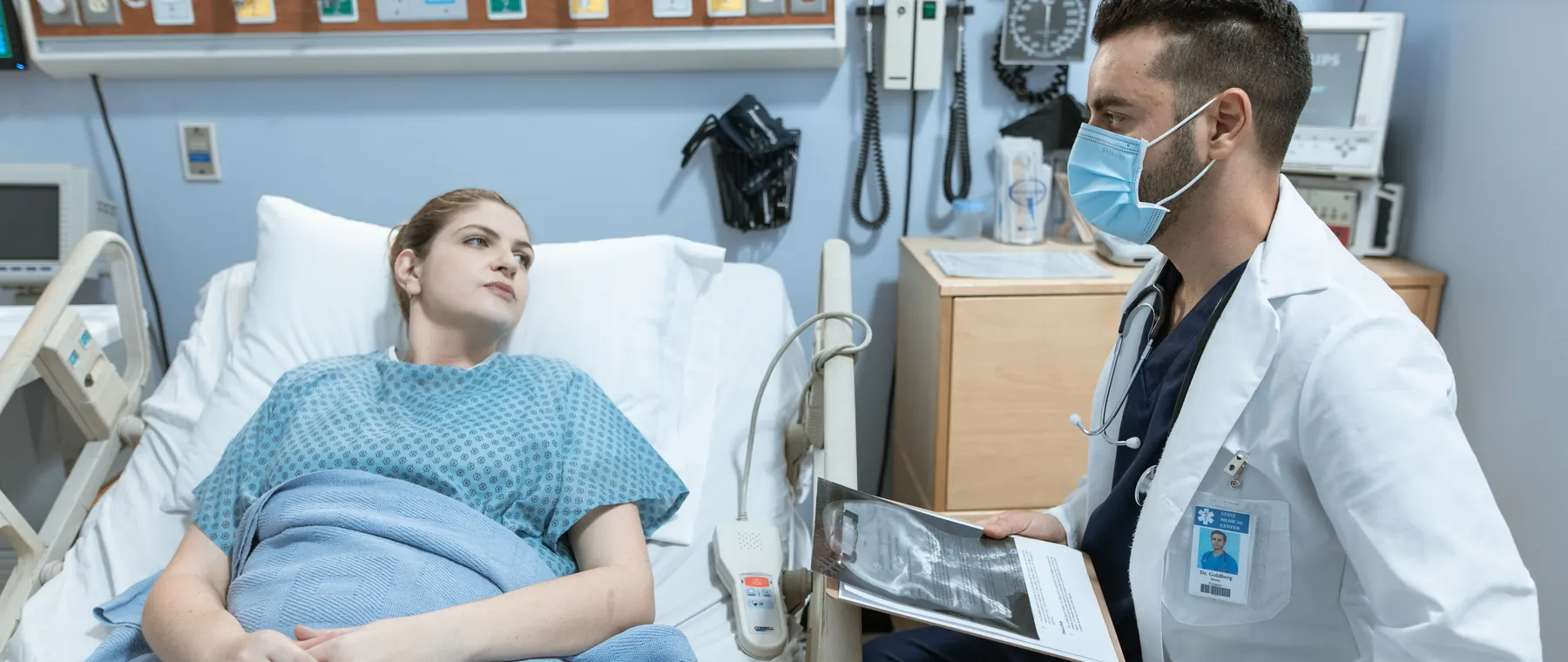
Diagnosing CRPS can be challenging because there is no single definitive test. Diagnosis is primarily clinical, based on the patient's symptoms, medical history, and physical examination. Healthcare providers use criteria established by the International Association for the Study of Pain (IASP), known as the Budapest Criteria, which requires specific combinations of symptoms and signs.
Diagnostic tools may include:
- Bone scans: Can show changes in bone metabolism characteristic of CRPS.
- X-rays and MRI: Help rule out other conditions and may show bone loss in later stages of CRPS.
- Thermography: Measures temperature differences between the affected and unaffected limbs.
- Sympathetic nervous system tests: Assess abnormal sympathetic activity.
Early and accurate diagnosis is critical. When CRPS is caught in its early stages, treatment is generally more effective at preventing progression and promoting recovery.
Treatment Approaches: A Multidisciplinary Strategy
Managing CRPS effectively requires a comprehensive, multidisciplinary approach tailored to each individual's needs. No single treatment works for everyone, and combining therapies often yields the best outcomes.
Physical and Occupational Therapy: Gentle, gradual exercises help maintain mobility, reduce stiffness, and retrain the nervous system. Techniques like mirror therapy and graded motor imagery have shown promise in reducing pain and improving function.
Medications: Various drugs may be prescribed to address different aspects of CRPS, including pain relievers (NSAIDs, opioids), corticosteroids for inflammation, anticonvulsants and antidepressants for nerve pain, and bisphosphonates to prevent bone loss.
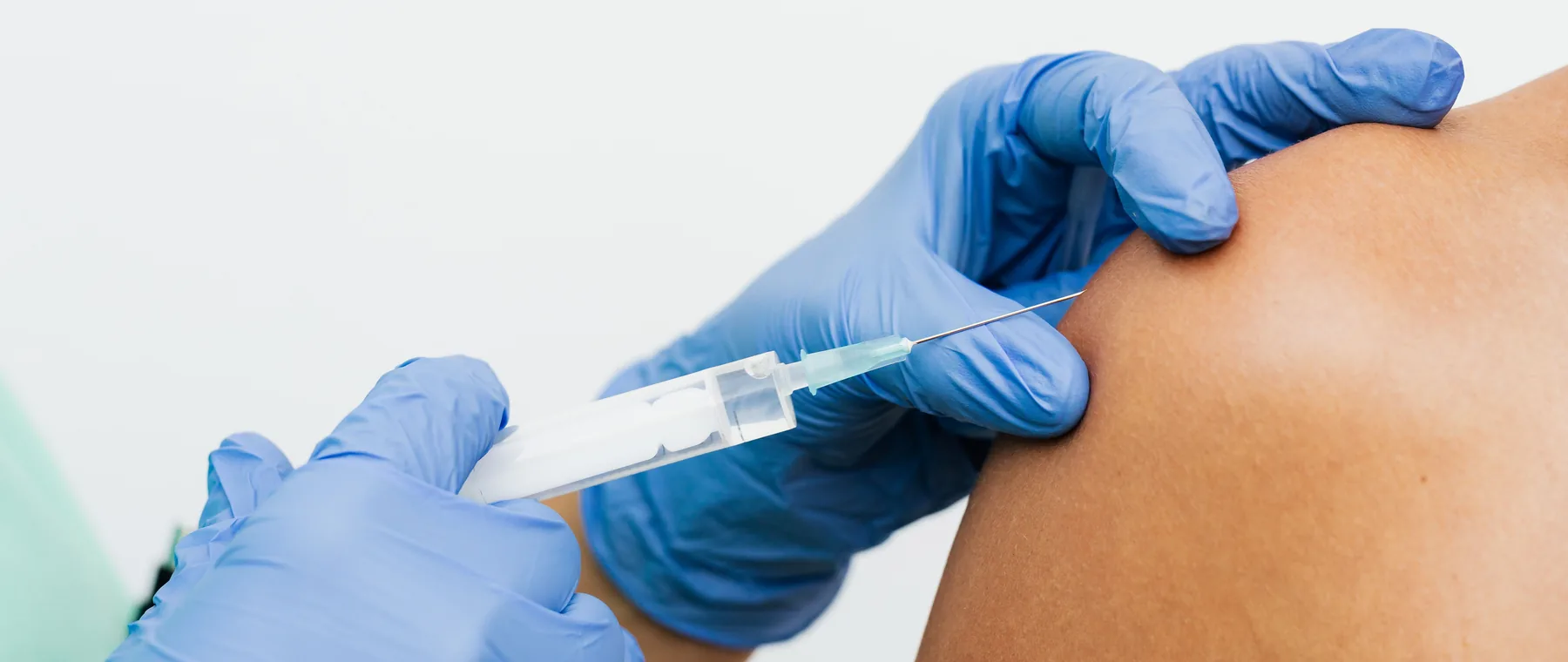
Nerve Blocks and Injections: Sympathetic nerve blocks can interrupt pain signals and are both diagnostic and therapeutic. Other injections may target specific painful areas.
Spinal Cord Stimulation: For severe, persistent CRPS, implanted devices that deliver electrical impulses to the spinal cord can modulate pain signals and provide significant relief.
Psychotherapy and Counseling: Chronic pain affects mental health profoundly. Cognitive-behavioral therapy, mindfulness, and other psychological interventions help patients cope with the emotional burden of CRPS.
Lifestyle Modifications: Stress management, adequate sleep, nutrition, and avoiding triggers (like extreme temperatures) support overall well-being and pain management.
Living with CRPS: Hope and Support
Living with CRPS is undeniably difficult, but many patients find relief and improved quality of life through dedicated treatment and support. It's important to remember:
- You are not alone: Support groups, online communities, and advocacy organizations connect CRPS patients and provide valuable resources.
- Recovery is possible: Some patients, especially those treated early, achieve significant improvement or even full remission.
- Advocacy matters: Raising awareness about CRPS helps reduce stigma, improve diagnosis rates, and drive research funding.
- Ongoing research: Scientists continue to investigate new treatments, including novel medications, neuromodulation techniques, and regenerative therapies.
For residents of Miami, FL, and surrounding areas, specialized pain management clinics offer comprehensive care tailored to CRPS and other chronic pain conditions. Working closely with experienced providers who understand the complexities of CRPS can make a profound difference in your treatment journey.
Complex Regional Pain Syndrome is a formidable challenge, but understanding the condition, seeking early intervention, and embracing a multidisciplinary treatment approach empower patients to reclaim their lives. If you or someone you love is experiencing symptoms consistent with CRPS, don't wait—reach out to a qualified pain management specialist who can provide the expertise and compassionate care needed to navigate this difficult journey.
At Gables Pain, Dr. Steinberger helps patients in Miami, FL find relief and improve their quality of life through evidence-based, individualised treatment plans. You don't have to face CRPS alone—we're here to support you every step of the way.