
For millions of people living with chronic joint pain, everyday activities like climbing stairs, playing with grandchildren, or simply getting out of bed can feel like monumental challenges. Traditional treatments—while helpful for many—don't always provide the relief patients desperately seek. But what if there was a way to help your body heal itself from within?
Regenerative medicine represents a paradigm shift in how we approach joint pain, moving beyond symptom management to address the underlying tissue damage. In Miami, FL, patients are discovering new possibilities through these innovative therapies that harness the body's natural healing mechanisms.
What Is Regenerative Medicine?
Regenerative medicine is a branch of medical science focused on repairing, replacing, or regenerating damaged tissues and organs. Rather than simply masking pain with medications or removing damaged tissue through surgery, regenerative approaches aim to restore function by stimulating the body's own repair processes.
In the context of joint pain, regenerative medicine includes several cutting-edge therapies designed to promote healing in cartilage, tendons, ligaments, and other joint structures. These treatments work by delivering specialized cells, growth factors, or scaffolding materials directly to injured areas, triggering natural regeneration pathways that may have slowed or stalled.
The most common regenerative therapies for joint pain include platelet-rich plasma (PRP) injections, stem cell treatments, and viscosupplementation. Each approach has unique mechanisms and applications, but all share the goal of helping damaged joints heal more effectively than they would on their own.
Who Can Benefit from Regenerative Treatments?
Regenerative medicine isn't just for elite athletes recovering from sports injuries. A wide range of patients experiencing joint pain may be candidates for these therapies:
- Individuals with early to moderate osteoarthritis seeking alternatives to joint replacement
- Athletes with tendon injuries, ligament sprains, or cartilage damage
- Patients who haven't found adequate relief from physical therapy, medications, or steroid injections
- People hoping to delay or avoid surgical intervention
- Those with chronic pain in knees, shoulders, hips, elbows, or ankles
The ideal candidates are generally in good overall health with specific joint problems rather than systemic inflammatory conditions. A thorough evaluation by a qualified provider can determine whether regenerative medicine is appropriate for your particular situation.
"Regenerative medicine offers hope where traditional treatments fall short—by harnessing your body's own healing potential to restore function and reduce pain naturally."
The Science Behind Regenerative Therapies
Understanding how regenerative medicine works helps patients make informed decisions about their care. Here's what happens at the cellular level:
Platelet-Rich Plasma (PRP) therapy concentrates platelets from your own blood—cells packed with growth factors that orchestrate tissue repair. When injected into damaged joints, these growth factors stimulate collagen production, accelerate healing, and reduce inflammation. Research has shown promising results for conditions like tennis elbow, plantar fasciitis, and knee osteoarthritis.
Stem cell therapy uses the body's master cells—undifferentiated cells capable of developing into various tissue types. These cells can be harvested from bone marrow or adipose tissue, then concentrated and injected into injured joints. Once there, they may differentiate into cartilage cells, reduce inflammation, and recruit other healing cells to the area.
Clinical studies continue to expand our understanding of these therapies. While more large-scale research is needed, existing evidence suggests that regenerative treatments can provide significant pain relief and functional improvement for many patients, particularly when combined with appropriate rehabilitation exercises.
What to Expect During Treatment
The regenerative medicine process typically unfolds over several stages, and understanding what to expect can ease anxiety and help you prepare:
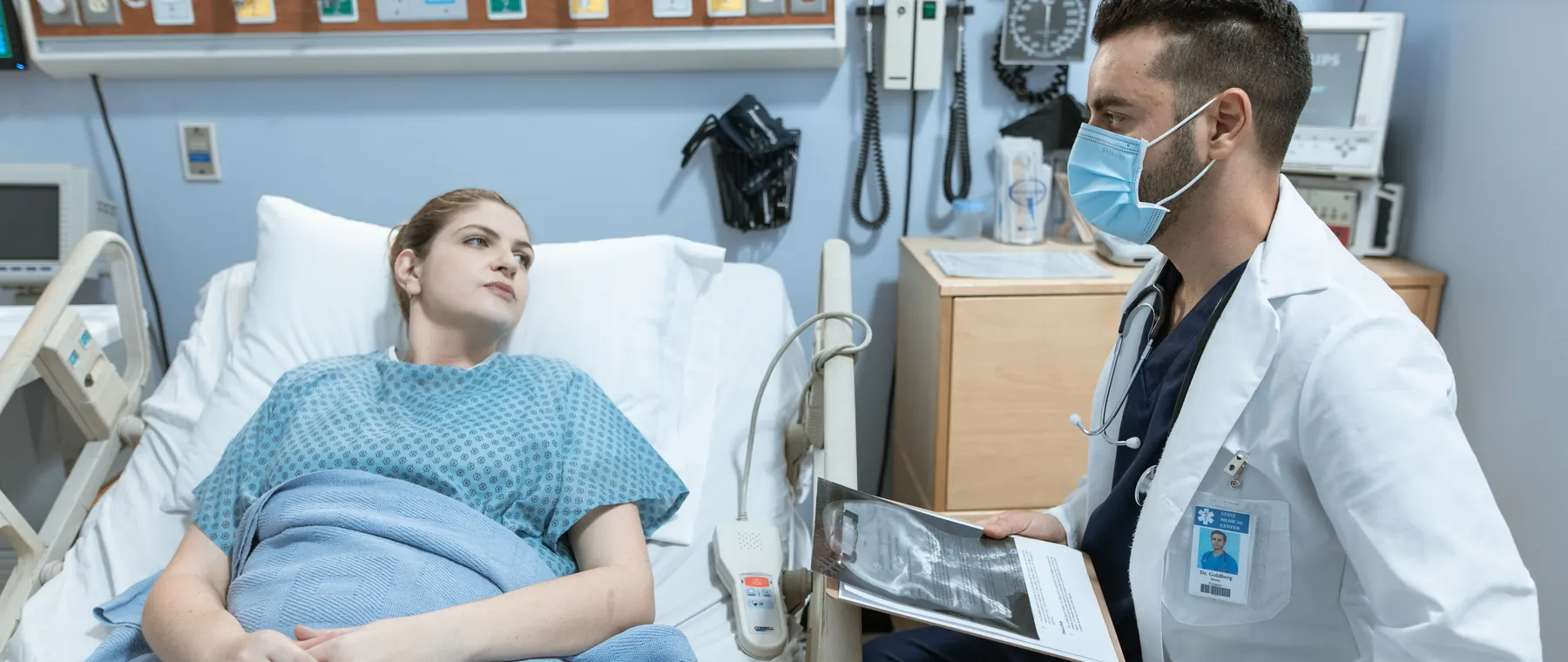
Initial consultation: Your provider will conduct a comprehensive evaluation, including your medical history, physical examination, and imaging studies to assess the extent of joint damage and determine if you're a good candidate.
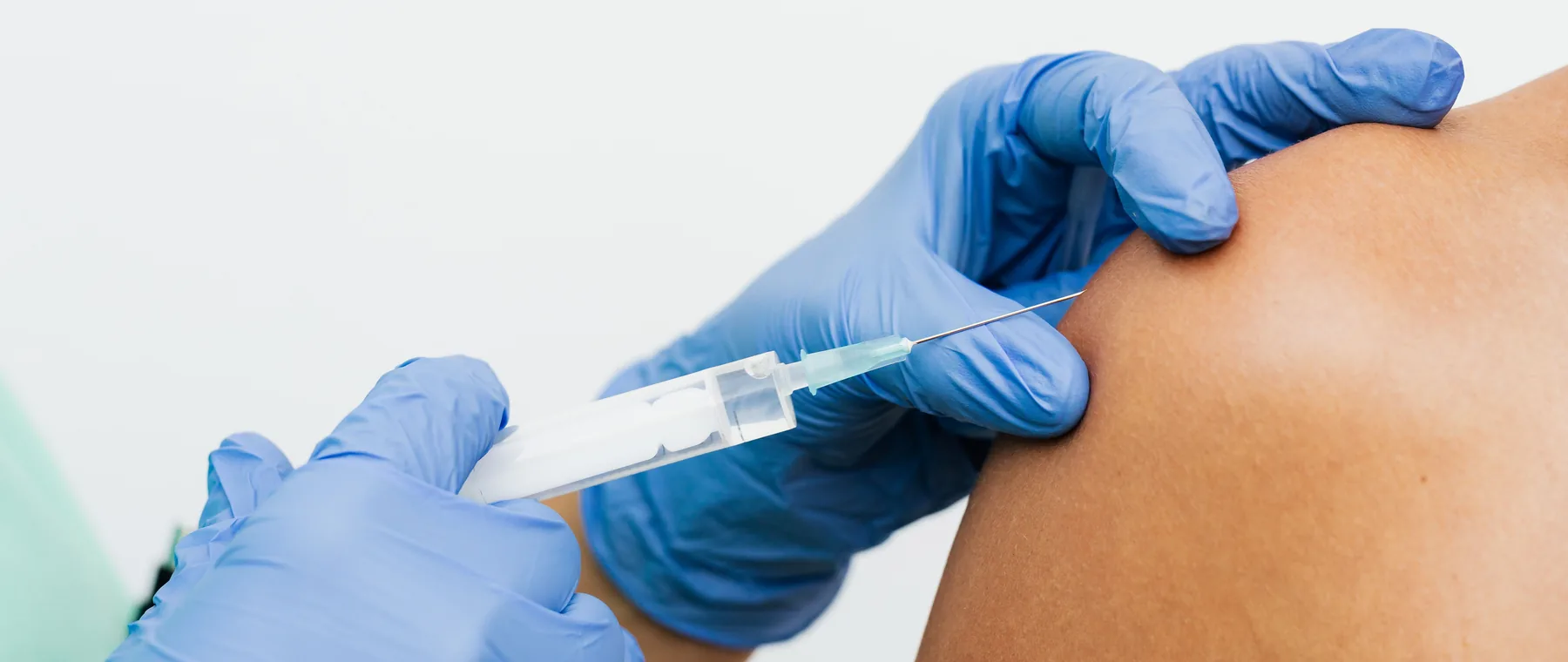
The procedure: Regenerative injections are usually performed in an outpatient setting. For PRP, blood is drawn and processed in a centrifuge before being injected into the affected joint. The entire process typically takes less than an hour. Most patients report minimal discomfort during the injection itself.
Recovery timeline: Unlike surgery, regenerative treatments require little to no downtime. You may experience temporary soreness at the injection site for a few days. Most patients can return to normal activities within 24-48 hours, though strenuous exercise may be restricted initially.
Results: Patience is key—regenerative medicine isn't a quick fix. Initial improvement may be noticed within 2-4 weeks, with continued healing occurring over 3-6 months. Some patients may benefit from a series of treatments for optimal results.
Advantages Over Traditional Approaches
Regenerative medicine offers several compelling benefits compared to conventional pain management strategies:
- Addresses root causes rather than just masking symptoms
- Minimally invasive with lower risk than surgery
- Uses your own biological materials, reducing rejection risk
- Minimal downtime compared to surgical recovery
- May delay or prevent the need for joint replacement
- Avoids long-term medication use and associated side effects
While regenerative medicine isn't appropriate for everyone—and won't reverse severe joint damage—it represents a valuable middle ground between conservative care and invasive surgery for many patients.
Taking the Next Step
If you're living with chronic joint pain in Miami, FL, and haven't found adequate relief from traditional treatments, regenerative medicine may offer new possibilities. The field continues to evolve rapidly, with ongoing research expanding our understanding of how these therapies can best serve patients.
Choosing regenerative treatment is a decision that should be made in partnership with qualified healthcare providers who can assess your individual circumstances, explain realistic expectations, and create a comprehensive treatment plan tailored to your needs.
Don't let joint pain limit your life. Modern regenerative therapies are helping patients reclaim activities they love and improve their quality of life—without the risks and recovery time of major surgery. Your journey toward healing may be closer than you think.