For millions of people living with chronic pain, the search for effective relief can feel like an endless journey. Traditional approaches often fall short, leaving patients caught between ineffective treatments and potentially addictive medications. But a revolution is quietly transforming pain management—interventional pain medicine is offering new hope through targeted, minimally invasive procedures that address pain at its source.
These cutting-edge techniques are changing lives, helping patients reduce their reliance on opioids, avoid major surgery, and reclaim the activities they love. Whether you're dealing with chronic back pain, nerve damage, or arthritis-related discomfort, understanding these advances could be the first step toward a more comfortable future.
What is Interventional Pain Medicine?
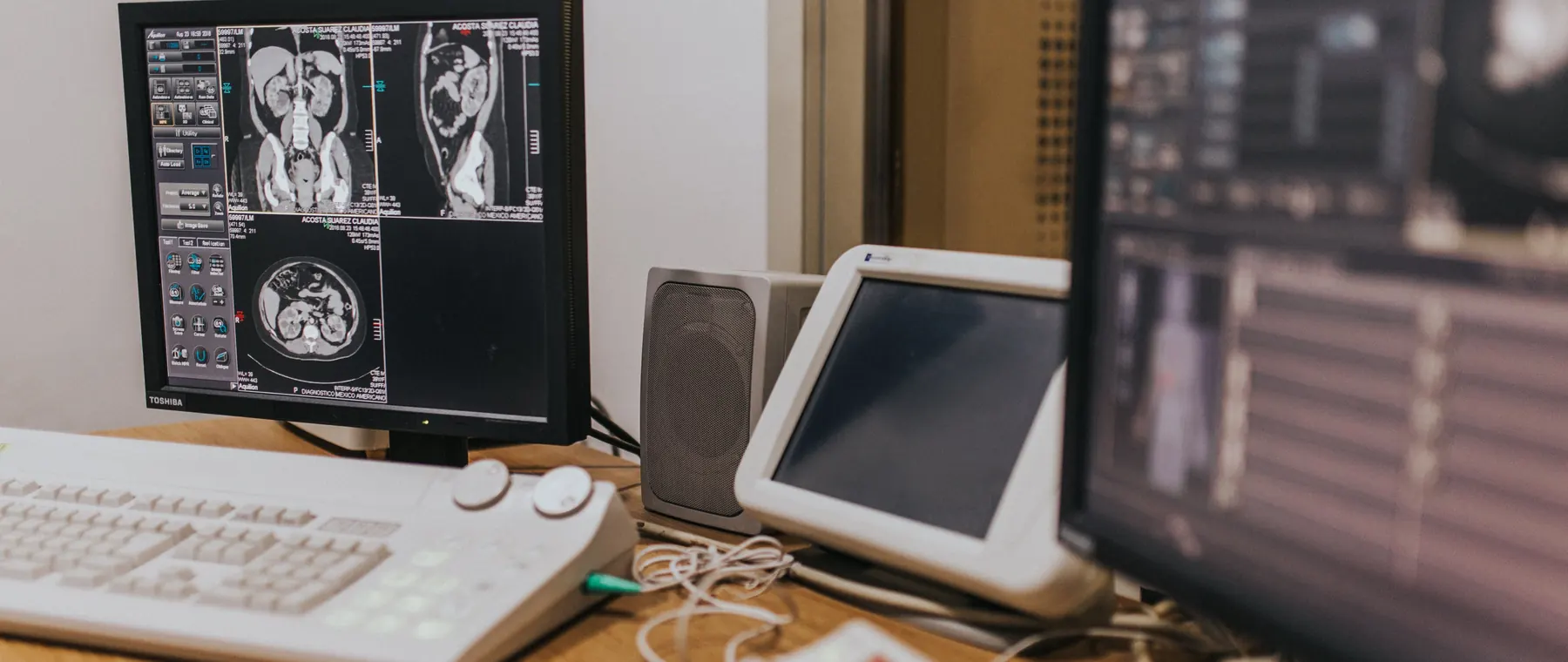
Interventional pain medicine represents a specialized approach that goes beyond pills and physical therapy. Using advanced imaging guidance—such as fluoroscopy, ultrasound, and CT—physicians can deliver targeted treatments directly to the pain source with remarkable precision.
Unlike traditional pain management that often relies on oral medications affecting your entire body, interventional techniques focus on specific nerves, joints, or tissues causing discomfort. This targeted approach typically means faster relief, fewer side effects, and better long-term outcomes.
The field has evolved dramatically over the past decade, incorporating technology from neuroscience, orthopedics, and anesthesiology to create a comprehensive toolkit for managing even the most challenging pain conditions.
Revolutionary Techniques Transforming Pain Treatment
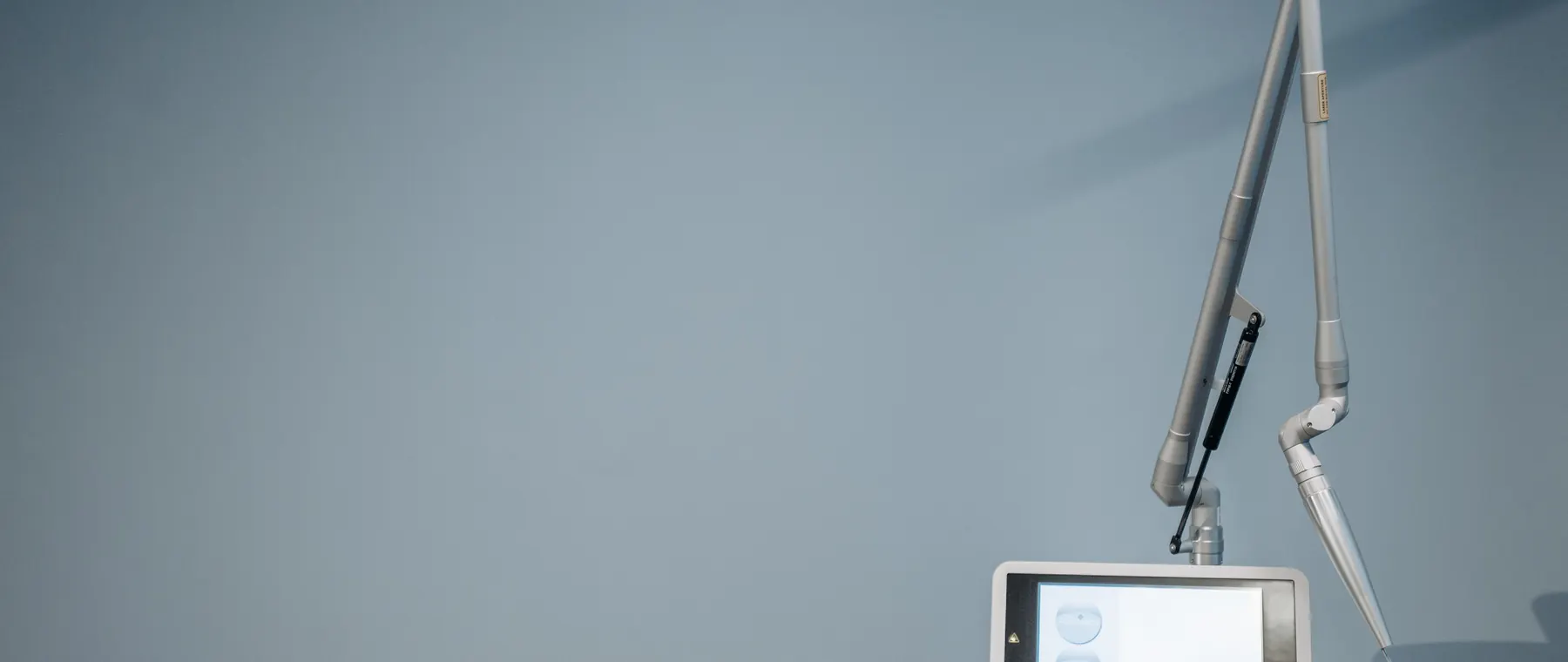
Recent years have witnessed an explosion of innovative procedures that are rewriting the rules of pain management. Radiofrequency ablation (RFA), once a niche treatment, has become mainstream for managing chronic joint and nerve pain. This technique uses heat generated by radio waves to temporarily disable pain-transmitting nerves, providing relief that can last from six months to over a year.
Spinal cord stimulation has evolved from simple devices to sophisticated systems that can be programmed and adjusted without additional surgery. These implantable devices interrupt pain signals before they reach the brain, offering a medication-free option for conditions like failed back surgery syndrome and complex regional pain syndrome.
Regenerative medicine techniques, including platelet-rich plasma (PRP) and stem cell therapies, are showing promise for certain conditions by promoting natural healing rather than simply masking pain. While research continues, early results suggest these approaches may help repair damaged tissues rather than just managing symptoms.
"The goal of modern interventional pain medicine isn't just to reduce pain—it's to restore function, improve quality of life, and help patients return to the activities that matter most to them."
Precision Medicine: The Right Treatment for Your Pain
One of the most exciting advances isn't a single procedure—it's the philosophy of precision medicine applied to pain management. Rather than a one-size-fits-all approach, specialists now use comprehensive diagnostics to understand exactly what's causing your pain and which nerves or structures are involved.
Advanced imaging techniques like high-resolution MRI and diagnostic nerve blocks help create a detailed roadmap of your pain. This allows physicians to select the most appropriate intervention for your specific condition, maximizing the chances of success while minimizing unnecessary procedures.
Genetic testing is even beginning to play a role, helping predict which patients will respond best to certain medications or interventions. This personalized approach represents a fundamental shift from treating symptoms to addressing the underlying mechanisms of pain.
Minimally Invasive Doesn't Mean Less Effective
Many patients are surprised to learn that today's interventional procedures are performed on an outpatient basis with minimal downtime. Most techniques require only local anesthesia and mild sedation, allowing you to return home the same day.
Recovery times are dramatically shorter compared to traditional surgery. While a spinal fusion might require months of rehabilitation, procedures like epidural steroid injections or nerve blocks typically allow return to normal activities within days. This means less time away from work, family, and the activities you enjoy.
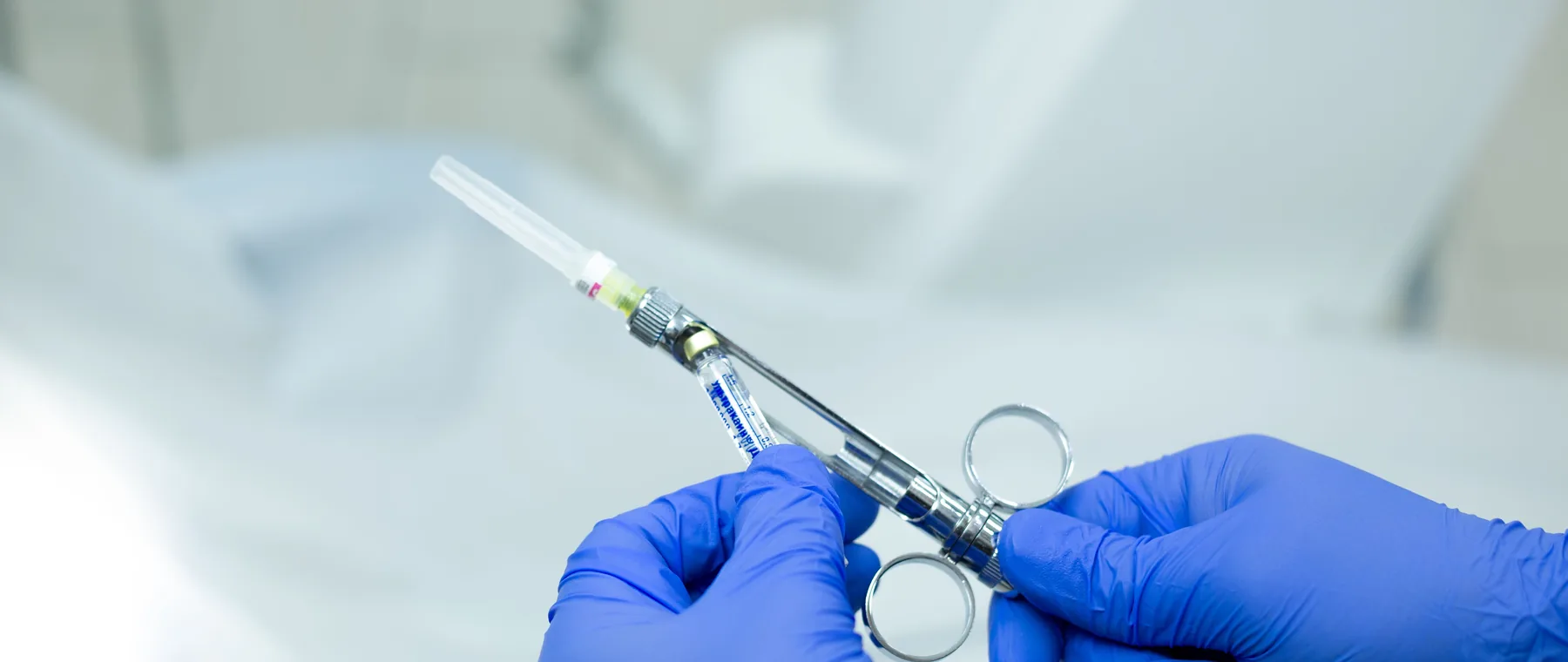
The safety profile of these procedures has improved significantly with advanced imaging guidance. Real-time visualization ensures accurate needle placement, reducing complications and improving outcomes. Serious side effects are rare, and most patients experience only minor, temporary discomfort at the injection site.
Beyond Pain Relief: Improving Function and Quality of Life
The true measure of success in interventional pain medicine goes beyond pain scores. The most meaningful outcomes involve restored function—patients who can play with grandchildren again, return to work, or simply sleep through the night.
Research consistently shows that effective pain interventions can break the cycle of chronic pain, reduce reliance on opioid medications, and improve mental health outcomes. Many patients report decreased anxiety and depression as their pain becomes manageable and they regain control over their lives.
Modern pain programs often combine interventional procedures with physical therapy, psychological support, and lifestyle modifications. This multimodal approach addresses pain from multiple angles, providing more comprehensive and lasting relief than any single treatment alone.
What to Expect: Your Journey with Interventional Pain Medicine
If you're considering interventional pain treatment, understanding the process can help ease concerns and set realistic expectations. Your journey typically begins with a comprehensive evaluation, including detailed medical history, physical examination, and review of imaging studies.
Key steps in your treatment journey:
- Comprehensive diagnostic evaluation to pinpoint pain sources
- Personalized treatment plan tailored to your specific condition
- Diagnostic procedures to confirm the pain source before definitive treatment
- Minimally invasive procedure performed with imaging guidance
- Follow-up care and adjustments to optimize outcomes
- Integration with physical therapy and other supportive treatments
It's important to maintain realistic expectations. While many patients experience significant relief, interventional procedures work best as part of a comprehensive pain management strategy. Your physician will discuss expected outcomes, potential risks, and alternative options to help you make an informed decision.
The field of interventional pain medicine continues to evolve rapidly, with new techniques and refinements emerging regularly. What seemed impossible just a few years ago—managing severe chronic pain without surgery or long-term opioid use—is now reality for thousands of patients.
If you're living with chronic pain in Miami, FL, these advances offer genuine hope for relief and restored quality of life. The key is finding an experienced specialist who can evaluate your unique situation and recommend the most appropriate interventions for your specific condition.
Don't let pain continue to limit your life. Modern interventional pain medicine offers sophisticated, evidence-based solutions that can help you take back control. Schedule a consultation to explore whether these advanced treatments might be right for you.