

Stem Cell Therapy for Joint and Spine Pain: What the Research Shows
For millions of people living with chronic joint and spine pain, the search for lasting relief can feel like an endless journey. Traditional treatments may offer temporary comfort, but what if there was a way to help your body heal itself from within? Stem cell therapy has emerged as one of the most promising frontiers in regenerative medicine, offering hope to those who haven't found adequate relief through conventional approaches.
As research continues to evolve, understanding what stem cell therapy actually is—and what the science tells us about its effectiveness—becomes increasingly important for anyone considering their pain management options. Let's explore what the research shows about this innovative treatment approach.
Understanding Stem Cell Therapy: The Basics
Stem cell therapy represents a fundamentally different approach to treating joint and spine pain. Rather than simply masking symptoms or managing pain through medication, this regenerative medicine technique aims to address the underlying tissue damage that causes pain in the first place.
Stem cells are unique cells in your body with the remarkable ability to develop into many different cell types. When introduced into damaged tissue, these cells can potentially promote healing by reducing inflammation, encouraging tissue regeneration, and modulating the immune response. In the context of joint and spine pain, stem cells may help repair damaged cartilage, ligaments, tendons, and intervertebral discs.
The most commonly used sources for stem cell therapy in pain management include bone marrow-derived stem cells and adipose (fat tissue) derived stem cells. These adult stem cells are harvested from the patient's own body, processed in a laboratory setting, and then carefully injected into the affected area under image guidance.
What the Research Shows: Joint Pain Applications
Research into stem cell therapy for joint pain, particularly osteoarthritis, has shown promising but varied results. Multiple studies have documented improvements in pain levels, function, and quality of life for patients receiving stem cell treatments.
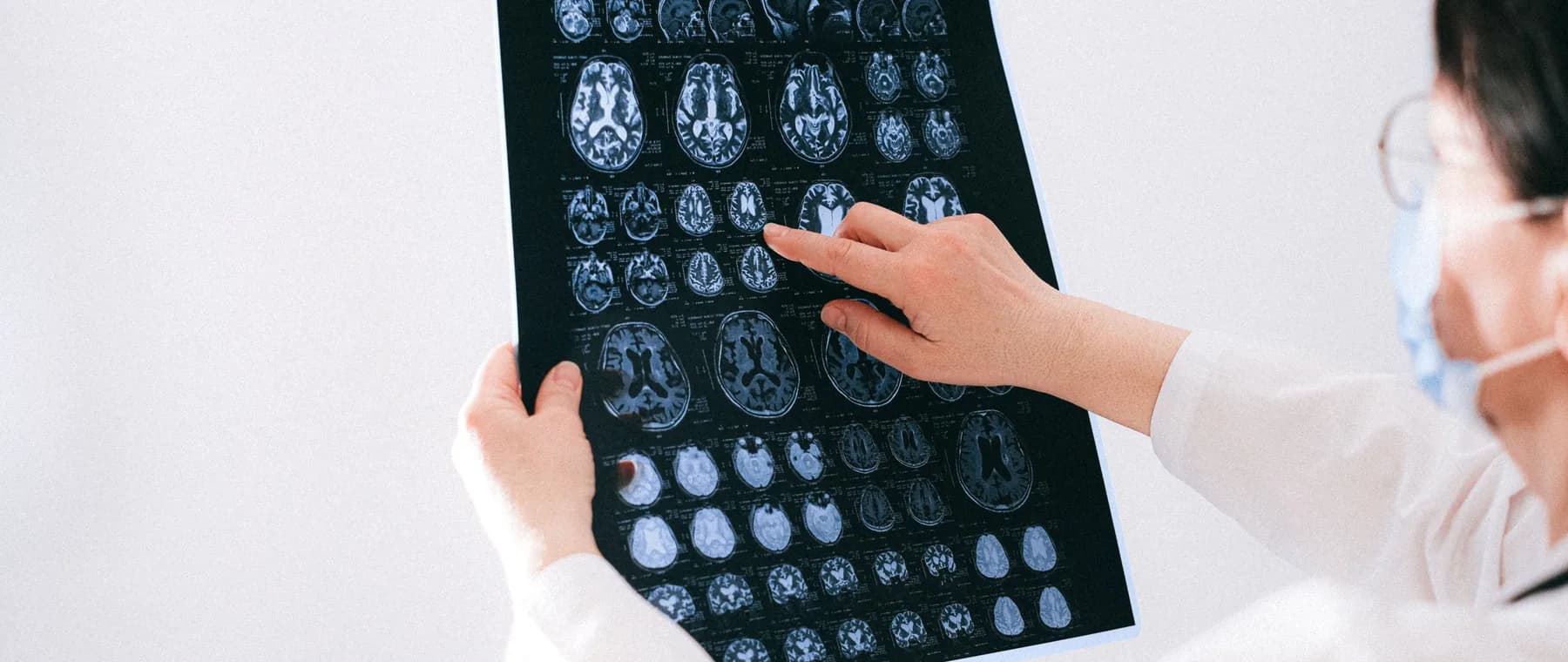
A systematic review published in recent years examining stem cell therapy for knee osteoarthritis found that many patients experienced significant pain reduction and functional improvement that lasted for months to years after treatment. Some studies have shown regeneration of cartilage tissue on MRI scans following stem cell injection.
However, it's important to note that results can vary considerably between individuals. Factors such as the severity of joint damage, the patient's age and overall health, the source and preparation of stem cells, and the specific injection technique all appear to influence outcomes.
Research is ongoing, and while many findings are encouraging, stem cell therapy for joint pain is still considered an emerging treatment. The medical community continues to refine protocols and identify which patients are most likely to benefit from this approach.
"Stem cell therapy represents a shift from symptom management to addressing the root cause of pain—helping the body heal damaged tissue rather than simply masking discomfort."
Spine Pain and Degenerative Disc Disease: Current Evidence
Degenerative disc disease is one of the leading causes of chronic spine pain, affecting millions of people as they age. The intervertebral discs that cushion the spine lose water content and height over time, leading to pain, reduced mobility, and in some cases, nerve compression.
Stem cell therapy for disc degeneration is an area of intense research interest. Early clinical studies have shown that stem cell injections into damaged discs may help reduce pain and improve function. Some research suggests that stem cells can promote disc regeneration by stimulating the production of new disc cells and extracellular matrix.
A number of clinical trials have documented pain improvement following intradiscal stem cell injection, with some patients experiencing benefits lasting a year or longer. Imaging studies in some cases have shown increased disc height and improved disc structure on MRI.
As with joint applications, spine-focused stem cell therapy is still evolving. While results have been encouraging for some patients, more large-scale, long-term studies are needed to fully establish efficacy and standardize treatment protocols.
Who Might Be a Candidate for Stem Cell Therapy?
Stem cell therapy may be considered for patients who meet certain criteria. While each case is unique and requires individual assessment, typical candidates include:
- Individuals with moderate joint or spine degeneration who haven't found adequate relief with conservative treatments like physical therapy, medications, or injections
- Patients looking to delay or avoid more invasive surgical procedures
- Those with active lifestyles seeking to maintain or regain function
- People in generally good health without conditions that might interfere with healing
It's important to understand that stem cell therapy may not be appropriate for everyone. Patients with severe, end-stage joint destruction, active infections, certain autoimmune conditions, or cancer may not be suitable candidates. A thorough evaluation by a qualified specialist is essential to determine if this treatment approach is right for you.
What to Expect: The Treatment Process and Recovery
Understanding the stem cell therapy process can help set realistic expectations. The treatment typically involves several steps:
First, stem cells are harvested from your own body—usually from bone marrow (often the hip area) or adipose tissue. This is performed as a minimally invasive procedure under local anesthesia. The collected cells are then processed in a specialized laboratory to concentrate the stem cells and prepare them for injection.
Next, using image guidance such as ultrasound or fluoroscopy, the concentrated stem cells are carefully injected into the affected joint or disc. The entire procedure is typically performed on an outpatient basis and takes a few hours from start to finish.
Recovery varies by individual, but most patients can return to light activities within a few days. However, it's important to understand that stem cell therapy isn't a quick fix. The healing process takes time—typically several weeks to months—as the stem cells work to promote tissue regeneration and reduce inflammation.
Many practitioners recommend a rehabilitation program following stem cell therapy to optimize results. This may include physical therapy, specific exercises, and lifestyle modifications to support healing and maintain improvements.
Important Considerations and Limitations
While stem cell therapy offers exciting possibilities, it's crucial to approach it with realistic expectations and full awareness of current limitations.
First, stem cell therapy for joint and spine pain is still considered investigational by many insurance companies, meaning it may not be covered by insurance and can represent a significant out-of-pocket expense. Cost considerations should be part of your decision-making process.
Second, despite promising research, stem cell therapy is not a guaranteed cure. Results vary, and not all patients experience significant improvement. Success rates depend on many factors including the extent of damage, individual biology, and the specific protocols used.
Third, the field is rapidly evolving, and treatment protocols are not yet fully standardized. It's essential to seek care from experienced, qualified providers who follow evidence-based practices and are transparent about what can and cannot be achieved.
Finally, beware of clinics making exaggerated claims or guaranteeing results. Reputable providers will discuss both the potential benefits and limitations honestly, helping you make an informed decision based on the current state of research.
Stem cell therapy represents an exciting frontier in the treatment of joint and spine pain, offering hope for tissue regeneration and lasting relief. While research continues to evolve and refine our understanding of this approach, current evidence suggests that for carefully selected patients, stem cell therapy may provide meaningful improvements in pain and function.
If you're living with chronic joint or spine pain and wondering whether stem cell therapy might be appropriate for your situation, the first step is a comprehensive evaluation with a qualified specialist. At Gables Pain in Miami, FL, Dr. Steinberger stays current with the latest advances in regenerative medicine and can help you understand all your treatment options. Don't let pain hold you back from the life you want to live—reach out today to explore whether stem cell therapy might be part of your path to relief.
Written by Dr. Tristan Steinberger, MD
Double board-certified in anesthesiology and pain medicine, specializing in interventional pain medicine, dedicated to providing evidence-based care and compassionate support to patients throughout Miami, FL and surrounding communities.
Related Resources
The Benefits of Seeing a Fellowship-Trained Pain Specialist
What fellowship training means in pain medicine, the diagnostic and treatment options it opens up, and how that shapes your visit and your outcomes.
Read the article →
The Importance of Exercise in Pain Management
The science of how exercise reduces pain, which types of movement help, how to get started safely, and what to do about the fear of movement.
Read the article →
The Latest Advances in Interventional Pain Medicine
How newer interventional pain techniques work, who they help, and what the evidence shows about relief for chronic back, neck and nerve pain.
Read the article →Ready to Take the Next Step?
We're here to help you explore your treatment options and find the path to lasting relief.
Schedule Your Consultation