
Whether you're a weekend warrior, a competitive athlete, or someone who simply enjoys staying active, sports injuries are an unfortunate reality of physical activity. While many injuries heal with rest and basic care, some evolve into chronic pain conditions that significantly impact your quality of life. Understanding when to transition from self-care to specialist intervention can mean the difference between a full recovery and months—or even years—of persistent discomfort.
In Miami, FL, where active lifestyles are the norm and year-round outdoor activities keep us moving, recognizing the warning signs that an injury needs professional attention is crucial. Let's explore when sports injuries cross the threshold into chronic pain territory and what specialized care can offer.
Understanding the Transition from Acute Injury to Chronic Pain
Most sports injuries begin as acute conditions—a sudden twist, impact, or overexertion that causes immediate pain and inflammation. The body's natural healing response kicks in, and with proper rest, ice, compression, and elevation (RICE), many injuries resolve within days to weeks.
However, when pain persists beyond the expected healing timeline—typically three months—it's classified as chronic. This transition isn't just about duration; chronic pain involves changes in the nervous system itself. Pain signals that should have stopped once tissue healed continue firing, creating a self-perpetuating cycle that requires specialized intervention.
Common sports injuries that frequently become chronic include rotator cuff tears, tennis elbow, runner's knee, plantar fasciitis, lower back strains, and post-concussion syndrome. Each of these conditions, when left inadequately treated, can transform from a temporary setback into a long-term limitation.
Red Flags: When to Stop Waiting and Start Seeking Help
Knowing when to escalate care from home treatment to specialist evaluation is essential. Here are the critical warning signs that indicate you need professional medical attention:
Pain persisting beyond 6-8 weeks despite rest and conservative treatment
Increasing pain intensity or pain that worsens with activity that should be tolerable
Functional limitations interfering with daily activities, work, or sleep
Neurological symptoms such as numbness, tingling, or weakness in limbs
Recurrent injuries in the same area suggesting underlying instability or weakness
Emotional impact including anxiety, depression, or fear of movement due to pain
If you recognize any of these patterns, it's time to consult with a specialist who can conduct a comprehensive evaluation and develop a targeted treatment plan.
"The key to preventing chronic pain is early intervention. What seems like a minor injury today can become a lifelong limitation if not properly addressed."
What Specialist Care Offers That Self-Treatment Cannot
While rest, over-the-counter pain medication, and basic physical therapy exercises can help with minor injuries, chronic sports-related pain requires a more sophisticated approach. Specialists bring several critical advantages to your recovery:
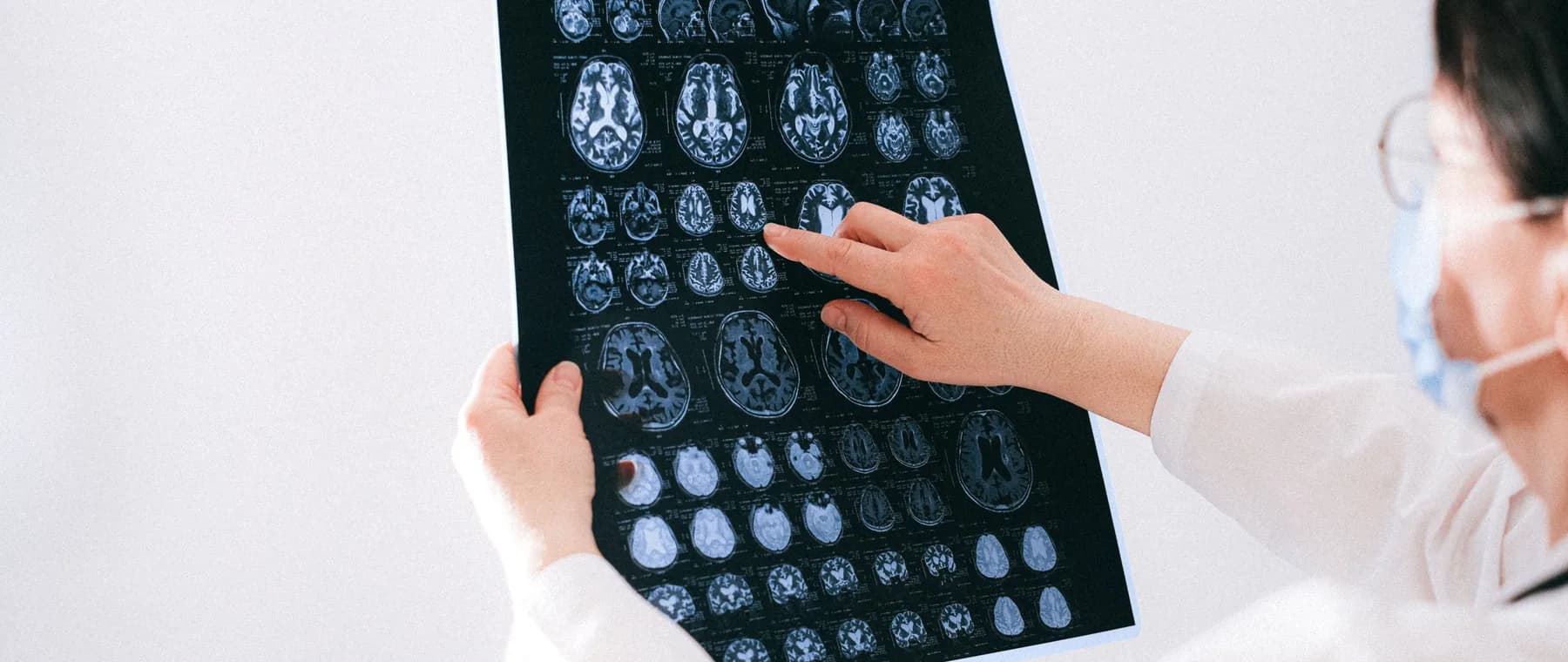
Accurate diagnosis: Advanced imaging, diagnostic injections, and specialized physical examinations can identify the precise source of pain—whether it's nerve compression, cartilage damage, tendinopathy, or myofascial dysfunction. Treating the right problem is the first step toward relief.
Multimodal treatment plans: Rather than relying on a single approach, pain specialists coordinate various therapies—including interventional procedures, targeted medications, physical therapy protocols, and psychological support—to address pain from multiple angles simultaneously.
Advanced interventions: When conservative measures fail, procedures such as corticosteroid injections, nerve blocks, radiofrequency ablation, or regenerative medicine techniques like platelet-rich plasma (PRP) therapy can provide significant relief and promote healing.
Prevention of secondary complications: Chronic pain often leads to compensatory movement patterns that stress other body parts, creating a cascade of additional injuries. Specialists can identify and correct these patterns before they cause further damage.
The Role of Evidence-Based Pain Management
Modern pain medicine has evolved dramatically over the past decade. Research now clearly demonstrates that chronic pain is not simply about tissue damage—it involves complex changes in how the nervous system processes signals, influenced by psychological, social, and biological factors.
Evidence-based approaches recognize this complexity. For sports injuries that have become chronic, treatment might include:
- • Graded motor imagery and mirror therapy to retrain pain pathways
- • Cognitive behavioral strategies to address fear-avoidance behaviors
- • Neuroscience education to help you understand pain mechanisms
- • Carefully structured return-to-activity programs that rebuild confidence
- • Sleep optimization, as poor sleep significantly amplifies pain perception
These approaches, combined with appropriate medical interventions, offer the highest probability of returning you to the activities you love without persistent pain limitations.
Taking Control: Your Next Steps
If you're living with chronic pain from a sports injury, taking action now can prevent years of unnecessary suffering. Here's how to move forward:
Document your symptoms: Keep a pain diary noting intensity, triggers, and functional limitations to help your specialist understand the full picture
Gather previous records: Bring imaging results, past treatment notes, and medication histories to your consultation
Set realistic goals: Think about what activities you most want to return to and share these with your care team
Be open to comprehensive treatment: Effective pain management often requires patience and willingness to try multiple approaches
Remember, seeking specialist care isn't an admission of weakness or failure—it's a smart, proactive decision that gives you the best chance of full recovery.
Living Active and Pain-Free in Miami
Miami's vibrant lifestyle encourages year-round physical activity, from beach volleyball and cycling to tennis and water sports. Don't let chronic pain from an old sports injury keep you from enjoying everything our city has to offer.
The transition from acute injury to chronic pain isn't inevitable. With timely specialist intervention, most people can return to their desired activity levels and prevent long-term limitations. The key is recognizing when home treatment isn't enough and having the courage to seek expert help.
Your body is designed to move, heal, and thrive. When pain interferes with that natural state, specialized care can help restore your function and quality of life. Whether you're dealing with a nagging injury that won't heal or pain that's progressively worsening, professional evaluation and treatment can make all the difference.
Don't wait for pain to dictate your life. The sooner you address chronic sports-related pain with specialist care, the better your chances of complete recovery and return to the activities that bring you joy.