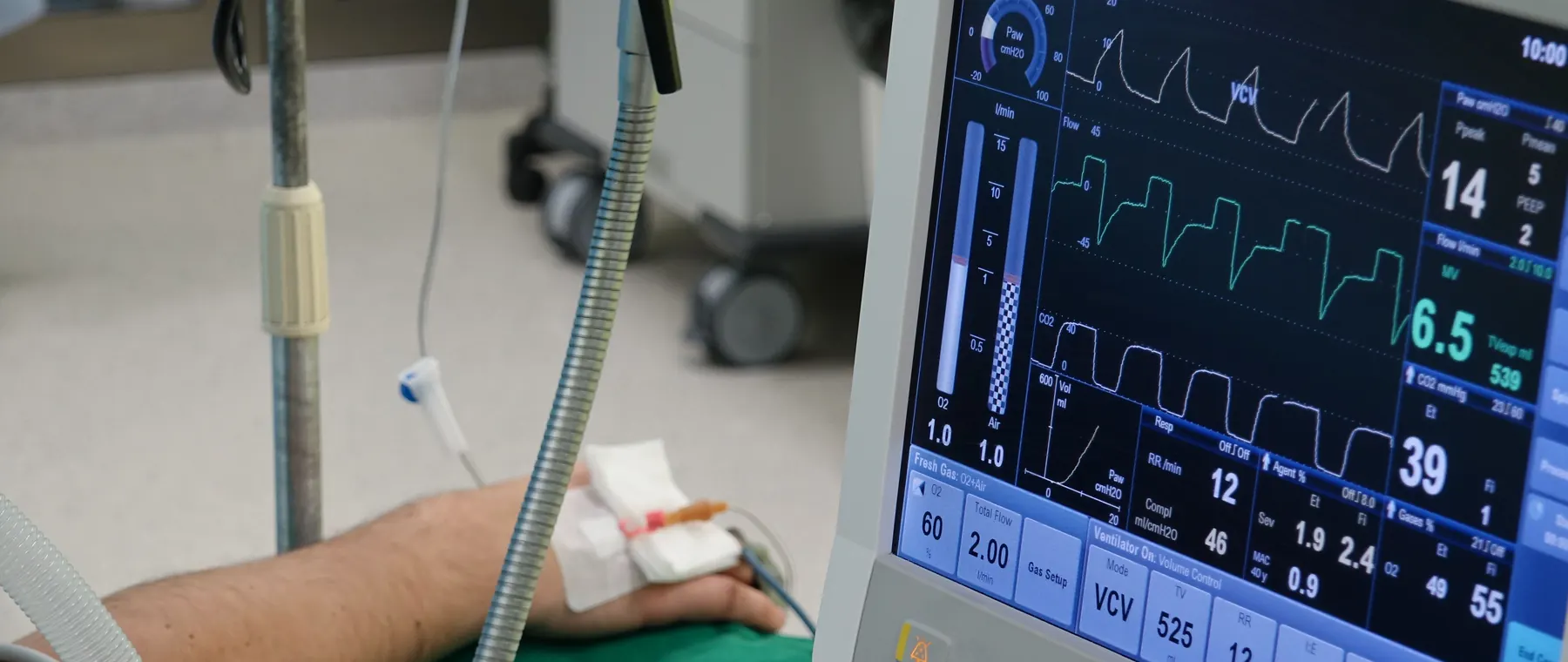

You followed all the pre-operative instructions. The surgery went well. Your surgeon said recovery would take six to eight weeks. But here you are, months later, still experiencing significant pain that interferes with your daily life. You're not alone, and more importantly, you're not imagining it.
Chronic post-surgical pain (CPSP) is a recognized medical condition that affects an estimated 10-50% of patients after common surgical procedures. While most people experience acute pain immediately following surgery that gradually improves, some develop persistent pain that extends well beyond the expected healing period. Understanding why this happens and what can be done about it is the first step toward reclaiming your quality of life.
What Is Chronic Post-Surgical Pain?
Medical professionals define chronic post-surgical pain as pain that develops after a surgical procedure and lasts for at least three months, with other causes of pain ruled out. This isn't simply delayed healing—it represents a fundamental change in how your nervous system processes pain signals.
CPSP can manifest in several ways: sharp, shooting sensations; burning or tingling feelings; constant aching; or heightened sensitivity in the surgical area. The pain may be localized to the incision site or radiate to surrounding areas. What makes CPSP particularly challenging is that standard imaging tests often appear normal, leading some patients to feel dismissed or misunderstood by healthcare providers unfamiliar with chronic pain conditions.
Common surgeries associated with higher rates of chronic pain include thoracotomy (chest surgery), breast surgery, hernia repair, joint replacement, and spinal procedures. However, CPSP can develop after virtually any surgical intervention, from minor outpatient procedures to major operations.
Why Does Pain Persist Beyond Normal Healing?
The transition from acute to chronic pain involves complex changes in both the peripheral and central nervous systems. During surgery, nerves can be cut, stretched, or compressed. While some nerve damage heals normally, in other cases, nerves develop abnormal connections or become hypersensitive during the healing process—a phenomenon called nerve sensitization.
Think of it like an overly sensitive alarm system. After an injury, your nervous system is supposed to gradually "turn down the volume" as tissues heal. In CPSP, the alarm stays turned up high, sending pain signals even when there's no ongoing tissue damage. This process, called central sensitization, involves changes in the spinal cord and brain that amplify pain perception.
Several risk factors increase the likelihood of developing chronic post-surgical pain. Pre-existing pain conditions, anxiety or depression, younger age, female sex, and genetic factors all play a role. The intensity of acute pain immediately after surgery is one of the strongest predictors—inadequately controlled post-operative pain significantly increases CPSP risk.
"Chronic post-surgical pain isn't a sign of weakness or low pain tolerance—it's a recognized medical condition with physiological causes that deserves comprehensive treatment."
The Emotional Toll of Prolonged Recovery
Beyond the physical discomfort, chronic post-surgical pain carries significant psychological weight. Patients often describe feeling frustrated, anxious, or depressed when their recovery doesn't follow the expected timeline. You may have returned to work prematurely, struggled to maintain relationships, or abandoned activities you once enjoyed.
Many patients experience a sense of isolation when friends, family, or even healthcare providers seem skeptical about ongoing symptoms. "The surgery was successful," they're told, leaving them to wonder why they still hurt. This disconnect between expectations and reality can be deeply distressing.
Research consistently shows that chronic pain and mental health are interconnected. Pain affects mood, and mood affects pain perception—creating a cycle that can be difficult to break without comprehensive support. Acknowledging the emotional dimensions of CPSP isn't admitting defeat; it's recognizing that effective treatment must address the whole person, not just the surgical site.
Evidence-Based Approaches to Managing CPSP
The good news is that chronic post-surgical pain can be managed effectively with the right approach. Treatment typically involves a multimodal strategy that addresses different aspects of the pain experience simultaneously.
Medications may include nerve pain agents that calm overactive nerves, anti-inflammatory medications, and in some cases, carefully monitored pain relievers. Interventional procedures like nerve blocks, trigger point injections, or neurostimulation can provide relief when conservative measures aren't sufficient.
Physical therapy plays a crucial role in rebuilding function and reducing pain through targeted exercises, manual therapy, and desensitization techniques. Psychological approaches such as cognitive-behavioral therapy help patients develop coping strategies, reduce anxiety around pain, and break the pain-stress cycle.
Emerging treatments including regenerative medicine, specialized nerve treatments, and innovative rehabilitation techniques continue to expand the toolkit available to pain specialists. The key is finding a provider who understands that CPSP requires more than prescriptions—it demands a comprehensive, individualized treatment plan.
When to Seek Specialized Pain Management
If you're experiencing persistent pain three months or more after surgery, it's time to consult a pain management specialist. Don't wait until pain becomes unbearable or starts significantly limiting your life. Early intervention often leads to better outcomes.
Consider seeking specialized care if you experience:
- Pain that persists or worsens beyond the expected healing period
- Pain that interferes with daily activities, work, or sleep
- Burning, shooting, or electric-shock sensations around the surgical site
- Unusual sensitivity to touch or temperature in the affected area
- Emotional distress related to ongoing pain
- Inadequate relief from standard pain medications
Pain management specialists have advanced training in diagnosing and treating complex pain conditions. They can conduct thorough evaluations, order appropriate diagnostic tests, and develop comprehensive treatment plans tailored to your specific situation.
Moving Forward: Hope and Healing
Living with chronic post-surgical pain can feel overwhelming, but improvement is possible. Thousands of patients who thought they'd have to "just live with it" have found meaningful relief through specialized pain management.
Recovery from CPSP may look different than you initially expected—it might be gradual rather than sudden, and success might mean significant improvement rather than complete elimination of all sensation. Many patients find that as pain decreases and function improves, they're able to re-engage with life in ways that once seemed impossible.
The most important step is advocating for yourself. If your current healthcare provider isn't addressing your concerns adequately, seek a second opinion. You deserve care from professionals who understand chronic pain, believe your experience, and are committed to helping you achieve the best possible outcome.
Whether you're in Miami, FL or anywhere else, pain management specialists are available to help you navigate this challenging journey. With the right support, treatment, and mindset, you can move beyond prolonged post-surgical pain toward a more comfortable, functional future.