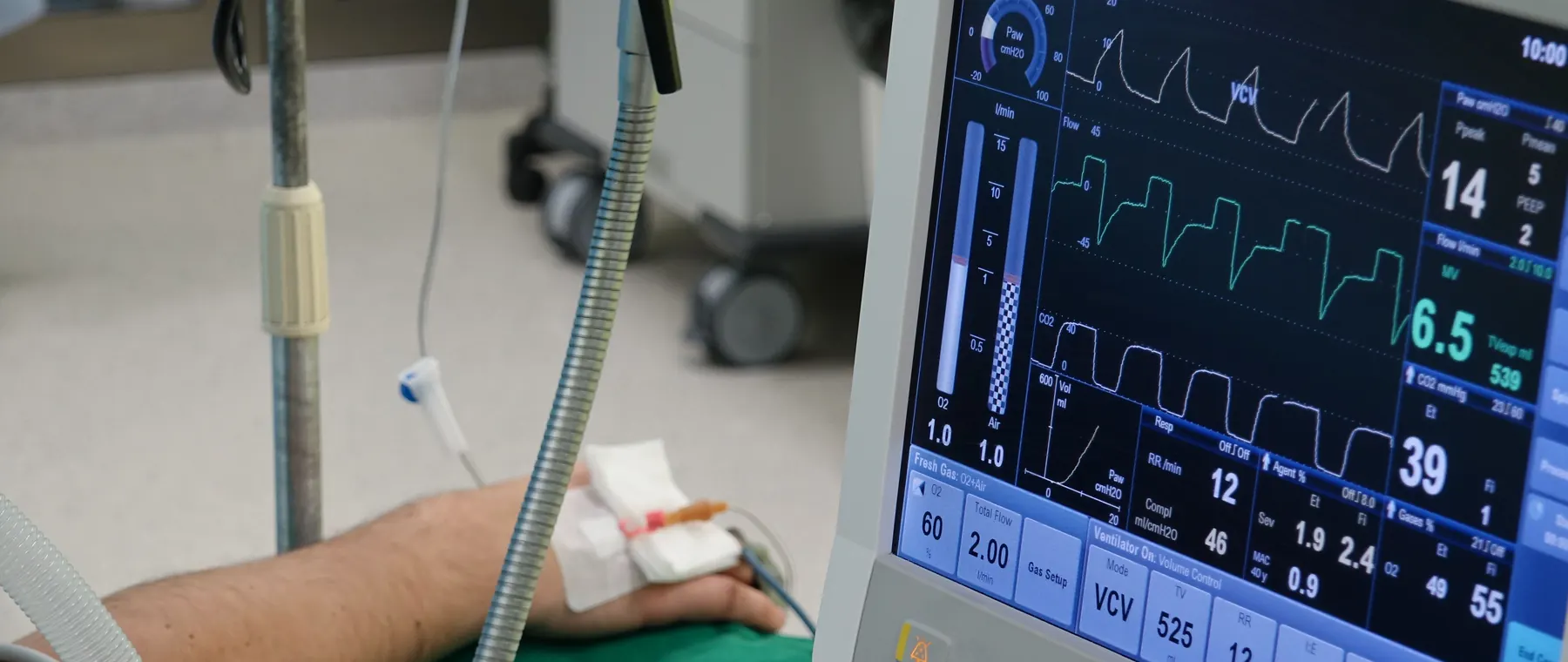

If you've been living with chronic pain, the decision to undergo an interventional pain procedure represents a significant step toward reclaiming your quality of life. While the prospect of relief is exciting, it's natural to feel anxious about the procedure itself. Understanding what to expect and how to prepare can transform that anxiety into confidence, ensuring the best possible outcome for your treatment.
Interventional pain procedures are minimally invasive treatments designed to target the source of your pain with precision. From epidural steroid injections to nerve blocks and radiofrequency ablation, these techniques offer powerful alternatives to surgery while minimizing recovery time. However, proper preparation is essential to maximize effectiveness and minimize complications.
Understanding Your Procedure
The first step in preparing for your interventional pain procedure is understanding exactly what will happen. Your physician should have provided detailed information about the specific treatment you'll receive, but don't hesitate to ask questions if anything remains unclear. Different procedures target different pain sources, and each has its own preparation requirements.
Common interventional pain procedures include epidural steroid injections for radiculopathy, facet joint injections for spinal arthritis, nerve blocks for various pain syndromes, and radiofrequency ablation for long-term pain relief. Most of these procedures are performed on an outpatient basis using local anesthesia with or without sedation, and they typically take between 15 and 45 minutes to complete.
Advanced imaging guidance, such as fluoroscopy or ultrasound, ensures precise needle placement and medication delivery. This precision is what makes interventional pain management so effective compared to traditional oral medications that affect your entire body. By targeting the specific anatomical structure causing your pain, these procedures can provide significant relief with minimal systemic side effects.
Pre-Procedure Medical Considerations
Your medical history plays a crucial role in procedure planning and safety. Be completely honest with your physician about all medications you're taking, including prescription drugs, over-the-counter medications, supplements, and herbal remedies. Some medications, particularly blood thinners, may need to be temporarily discontinued before your procedure to reduce bleeding risk.
If you take anticoagulants like warfarin, clopidogrel, or newer agents like apixaban or rivaroxaban, your physician will coordinate with your prescribing doctor to determine the safest approach. Typically, these medications are stopped several days before the procedure, and you may need blood tests to confirm appropriate clotting function. Never stop these medications on your own—always follow your physician's specific instructions.
Inform your care team about any allergies, especially to medications, latex, iodine, or contrast dye. If you have diabetes, discuss blood sugar management on the day of your procedure, as fasting requirements may affect your usual medication schedule. Patients with cardiac conditions or those taking medications for high blood pressure should also receive specific guidance about continuing or modifying their regimen.
"Proper preparation doesn't just ensure safety—it significantly improves the likelihood of a successful outcome and comfortable recovery."
The Day Before Your Procedure
The 24 hours before your procedure are critical for ensuring everything goes smoothly. Confirm your arrival time and location, and arrange for a responsible adult to drive you home afterward. Even if you're not receiving sedation, the procedure itself and any temporary numbness can make driving unsafe immediately afterward.
Review your fasting instructions carefully. Most procedures require you to avoid eating and drinking for a specified period before your appointment, typically 6-8 hours for solid foods and 2 hours for clear liquids if sedation is planned. If you're having a procedure without sedation, you may be allowed to eat lightly, but always confirm with your care team.
Pre-Procedure Checklist:
- Confirm your transportation arrangements
- Take or hold medications as instructed
- Prepare comfortable, loose-fitting clothing
- Plan for a restful recovery day
- Shower and avoid lotions or perfumes on procedure day
- Leave jewelry and valuables at home
What to Expect During the Procedure
Understanding the procedure timeline can significantly reduce anxiety. When you arrive at the facility, you'll check in and complete any remaining paperwork. A nurse will review your medical history, verify your consent, and start an IV line if sedation is planned. You'll have the opportunity to ask final questions and meet the physician who will be caring for you.
In the procedure room, you'll be positioned to provide optimal access to the treatment area. Your skin will be cleaned with antiseptic solution, and sterile drapes will be applied. If you're receiving sedation, medications will be administered through your IV to help you relax. Local anesthetic will be injected to numb the skin and deeper tissues where the procedure needle will be inserted.
Using fluoroscopy or ultrasound guidance, your physician will carefully advance the needle to the precise target location. You may feel pressure during needle placement, and you should communicate any discomfort to your care team. Once proper positioning is confirmed, the therapeutic medication—typically a combination of anesthetic and anti-inflammatory medication—will be injected. The entire process usually takes 15 to 45 minutes, depending on the complexity of the procedure.
Post-Procedure Recovery and Care
After your procedure, you'll be monitored in a recovery area for 15 to 30 minutes. The staff will check your vital signs and ensure you're stable before discharge. If you received sedation, you'll need to be fully alert and able to walk safely with assistance. Your care team will review discharge instructions and provide written information about what to expect during recovery.
It's normal to experience temporary numbness, weakness, or even a slight increase in pain immediately after the procedure. The local anesthetic may cause numbness that lasts several hours, while the therapeutic effects of the anti-inflammatory medication typically develop over 3 to 7 days. Some patients experience immediate relief, while others require the full anti-inflammatory effect to manifest before noticing significant improvement.
Plan to rest for the remainder of the day after your procedure. Avoid strenuous activities, heavy lifting, and driving for at least 24 hours. You can typically resume normal activities gradually over the next day or two, guided by your comfort level. Apply ice to the injection site for 15-20 minutes several times during the first day to minimize soreness and swelling.
Recovery Guidelines:
- Rest for 24 hours after the procedure
- Apply ice to reduce soreness and inflammation
- Resume activities gradually based on comfort
- Keep the injection site clean and dry for 24 hours
- Track your pain levels and functional improvements
- Contact your provider with any concerning symptoms
Maximizing Your Procedure Outcome
While interventional pain procedures can provide significant relief, they work best as part of a comprehensive treatment plan. Continue with any prescribed physical therapy, exercise programs, or other treatments recommended by your care team. The reduction in pain from your procedure creates an optimal window for rehabilitation and functional improvement.
Keep a pain diary to track your response to the procedure. Note your pain levels, activities you're able to perform, and any changes in medication requirements. This information is invaluable for your follow-up appointments and helps your physician determine whether additional treatments might be beneficial. Some patients require a series of injections for optimal results, while others achieve lasting relief from a single procedure.
Remember that interventional pain management is both an art and a science. Your physician uses your response to guide future treatment decisions, adjusting techniques, medications, and targets based on your individual needs. Open communication about your experience ensures the best possible outcomes and helps develop a personalized long-term pain management strategy.
Preparing thoroughly for your interventional pain procedure sets the foundation for success. By understanding what to expect, following preparation guidelines, and actively participating in your recovery, you're taking control of your pain management journey. If you have questions or concerns at any point before or after your procedure, don't hesitate to reach out to your care team. We're here to support you every step of the way toward lasting pain relief and improved quality of life.