
Chronic back pain and radiating leg discomfort can be more than just physically limiting—they can fundamentally change how you live your life. From missing out on activities you love to struggling through daily tasks, persistent spinal pain affects every aspect of your wellbeing. For many patients in Miami, FL seeking relief, epidural steroid injections have emerged as an effective treatment option that bridges the gap between conservative therapy and surgical intervention.
If your healthcare provider has recommended an epidural steroid injection, you likely have questions about what the procedure involves, how it works, and what kind of results you can expect. Understanding the science and process behind this treatment can help ease anxiety and set realistic expectations for your pain management journey.
What Are Epidural Steroid Injections?
Epidural steroid injections (ESIs) are a minimally invasive procedure designed to reduce inflammation and pain in the spine. The treatment involves injecting a combination of corticosteroid medication and local anesthetic into the epidural space—the area surrounding the spinal cord and nerve roots.
The epidural space contains fat, blood vessels, and nerve roots that branch off from the spinal cord. When inflammation occurs in this area—often due to herniated discs, spinal stenosis, or degenerative conditions—it can compress nerves and cause significant pain that may radiate into the arms or legs.
The corticosteroid medication works by reducing inflammation around compressed or irritated nerves, while the local anesthetic provides immediate short-term pain relief. This dual-action approach helps interrupt the pain cycle and can provide relief lasting from weeks to months, giving your body time to heal and allowing you to participate more fully in physical therapy and rehabilitation.
Who Benefits from Epidural Steroid Injections?
ESIs are typically recommended for patients experiencing pain caused by inflammation or compression of spinal nerve roots. Common conditions that may benefit from this treatment include:
- Herniated or bulging discs that press against nerve roots
- Spinal stenosis, a narrowing of the spinal canal
- Sciatica with radiating leg pain
- Degenerative disc disease causing nerve irritation
- Post-surgical pain in the spine
ESIs are generally considered when conservative treatments like physical therapy, medications, and lifestyle modifications haven't provided adequate relief. They're particularly valuable for patients who want to avoid or delay surgery, or for those who need additional pain control to participate effectively in rehabilitation programs.
"The goal of epidural steroid injections isn't just pain relief—it's creating a window of opportunity for healing and rehabilitation that helps patients regain function and quality of life."
The Procedure: What Happens During an ESI
Understanding what happens during the procedure can help reduce anxiety. Epidural steroid injections are typically performed as an outpatient procedure and take about 15-30 minutes from start to finish.
Before the injection: You'll be positioned either lying on your stomach or sitting up, depending on the injection site. The skin over the injection area will be cleaned with an antiseptic solution, and a local anesthetic may be applied to numb the surface.
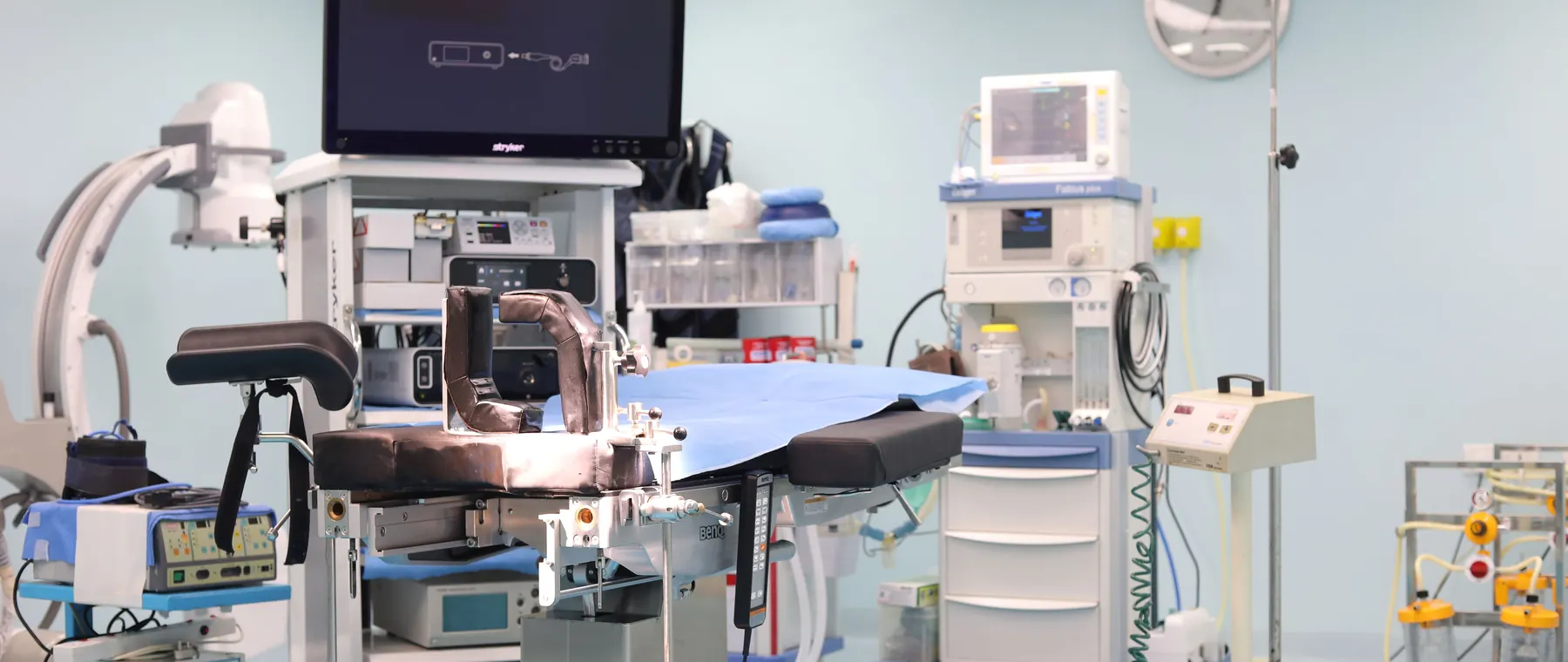
During the injection: Using fluoroscopy (live X-ray guidance), your physician carefully guides a thin needle into the epidural space. This imaging ensures precise needle placement and medication delivery to the target area. Once properly positioned, the steroid-anesthetic solution is slowly injected. You may feel pressure or a brief stinging sensation, but most patients report minimal discomfort.
After the injection: You'll rest in a recovery area for 15-30 minutes while medical staff monitors your vital signs and ensures you're comfortable. Many patients experience immediate pain relief from the local anesthetic, though this initial effect is temporary. The steroid medication typically takes 2-7 days to begin working.
Recovery and What to Expect Afterwards
Most patients can return home shortly after the procedure and resume normal activities within a day or two. However, there are some important considerations for the recovery period:
- Arrange for a driver: You shouldn't drive yourself home after the procedure
- Rest for the remainder of the day: Avoid strenuous activities for 24 hours
- Apply ice to the injection site: This can help minimize soreness
- Monitor for side effects: Mild soreness, temporary numbness, or facial flushing are normal
- Keep a pain diary: Track your pain levels to help assess treatment effectiveness
Some patients experience increased pain for the first 24-48 hours as the numbing medication wears off and before the steroid takes effect. This is normal and should resolve as the anti-inflammatory benefits begin.
Pain relief varies by individual. Some patients experience significant improvement that lasts several months, while others may have more modest or shorter-term benefits. For many, a series of injections (typically spaced 2-4 weeks apart, with a maximum of three per year) provides optimal results.
Risks and Considerations
While epidural steroid injections are generally safe when performed by experienced specialists, it's important to understand potential risks:
Common minor side effects include temporary soreness at the injection site, headache, facial flushing, or temporary elevation of blood sugar (particularly important for diabetic patients). Serious complications are rare but can include infection, bleeding, nerve damage, or allergic reactions to the medication.
Not everyone is a candidate for ESIs. Your physician will review your medical history, current medications, and any conditions that might increase risks, such as active infection, uncontrolled diabetes, or bleeding disorders. Pregnant women are generally advised to avoid ESIs unless the benefits significantly outweigh potential risks.
Maximizing Your Treatment Success
Epidural steroid injections work best as part of a comprehensive pain management plan. To maximize your chances of long-term relief:
- Participate in physical therapy: Use your pain-free window to strengthen supporting muscles and improve flexibility
- Maintain a healthy weight: Reducing stress on your spine supports long-term outcomes
- Practice good posture and body mechanics: Protect your spine during daily activities
- Follow up with your provider: Regular monitoring ensures adjustments to your treatment plan as needed
Research shows that patients who combine ESIs with active rehabilitation programs tend to experience better functional outcomes than those who rely on injections alone. The goal is not just temporary pain relief, but restoring function and preventing future episodes.
If chronic spinal pain is limiting your life, epidural steroid injections may offer the relief you need to get back to the activities you love. While they're not a cure for underlying spinal conditions, they can be a valuable tool in a comprehensive pain management strategy—providing the window of relief necessary for healing and rehabilitation.
The decision to pursue ESI treatment should be made in consultation with a qualified pain management specialist who can evaluate your specific condition, discuss all available options, and create a personalized treatment plan. Don't let pain control your life when effective treatments are available.